Downtown Los Angeles doesn’t get the same hype as Hollywood or Santa Monica, but it should. This is where LA’s history, art, and food scene actually live, packed into a walkable grid of neighborhoods most visitors drive past on their way to the beach. If you’re searching for things to do in Los Angeles downtown, you’ve probably noticed the lists online repeat the same three landmarks and call it a day.
This guide goes further. Below you’ll find 14 handpicked spots covering everything from the historic Grand Central Market to street art in the Arts District, plus a few hidden gems that even longtime Angelenos overlook. Whether you have a free afternoon between meetings or a full day to explore, you’ll know exactly where to go and why it’s worth your time.
We’ve built our tours around DTLA for years, and we know which corners actually reward a visit versus which ones just look good on a map. So consider this your shortcut to the best things to see in downtown Los Angeles, organized so you can plan a route instead of wandering in circles wondering what’s actually worth stopping for.
1. See downtown LA on a guided walking tour
What it is
A guided walking tour through DTLA puts a local expert at the front of the group, weaving through historic core blocks, the Broadway theater district, and pockets of Art Deco architecture that most drivers never notice from behind a windshield. Another Side of Los Angeles Tours runs small-group and private walking tours through downtown that mix landmark stops with stories you won’t find on a plaque. Instead of guessing which buildings matter, you get a guide who’s walked these blocks hundreds of times and knows the history behind the facades.
Why it’s worth a visit
Downtown LA rewards context more than almost any other neighborhood in the city. Buildings that look like nothing from the street, an old bank lobby, a faded movie palace marquee, turn out to have wild backstories once someone explains them. That’s really the whole case for doing this first on your list of things to do in Los Angeles downtown: a two or three hour walk gives you a mental map of the area, so every other stop on this list makes more sense once you’ve seen how they connect geographically.
A guided walk through DTLA turns a confusing grid of blocks into a city you actually understand.
Guides also solve the safety and navigation questions that trip up first-time visitors. Downtown’s blocks shift character fast, a few streets separate gallery-lined corridors from areas you’d rather skip, and a local guide keeps you moving through the good stuff without wasted detours.
Good to know before you go
Expect most walking tours to run somewhere between 90 minutes and three hours, covering roughly 1.5 to 2 miles depending on the route. A few practical notes before booking:
- Wear real walking shoes. Downtown’s sidewalks are uneven in spots, and you’ll be on your feet the whole time.
- Book morning slots in summer. DTLA’s concrete and glass trap heat, and midday tours in July or August get uncomfortable fast.
- Ask about group size. Private and small-group options exist if you’d rather not tag along with a crowd of 20.
- Check what’s included. Some tours bundle in stops at Grand Central Market or the Bradbury Building, which saves you from backtracking later in the day.
Pricing for guided walking tours in DTLA typically starts around $75 per person, with private options running higher depending on group size and route customization.
2. The Broad contemporary art museum
What it is
The Broad sits right across from Walt Disney Concert Hall and holds one of the most talked-about contemporary art collections on the West Coast. The building itself, a honeycomb-like concrete and fiberglass shell nicknamed "the veil," wraps around a hidden "vault" that stores the bulk of the collection. Inside you’ll find works from Jean-Michel Basquiat, Roy Lichtenstein, and Jeff Koons, plus the museum’s signature draw: Yayoi Kusama’s mirrored Infinity Mirror Rooms.
Why it’s worth a visit
Few museums anywhere let you walk in for free and stand in front of museum-quality pop art and installation pieces within minutes. That’s the pitch here: general admission costs nothing, so you can duck in for an hour between other DTLA stops without committing a whole afternoon or paying a ticket price that eats into your day’s budget.
Free entry to a world-class collection makes The Broad one of the easiest wins on any downtown itinerary.
Budget travelers and art lovers both walk away satisfied, which is rare for a museum this well-regarded.
Good to know before you go
General admission is free, but the Kusama Infinity Rooms require a separate timed ticket that sells out fast, so book online through The Broad’s official site ahead of your visit. Same-day standby lines form early, especially on weekends. The museum closes on Mondays, and photography is allowed in most galleries, just not with flash.
3. Walt Disney Concert Hall
What it is
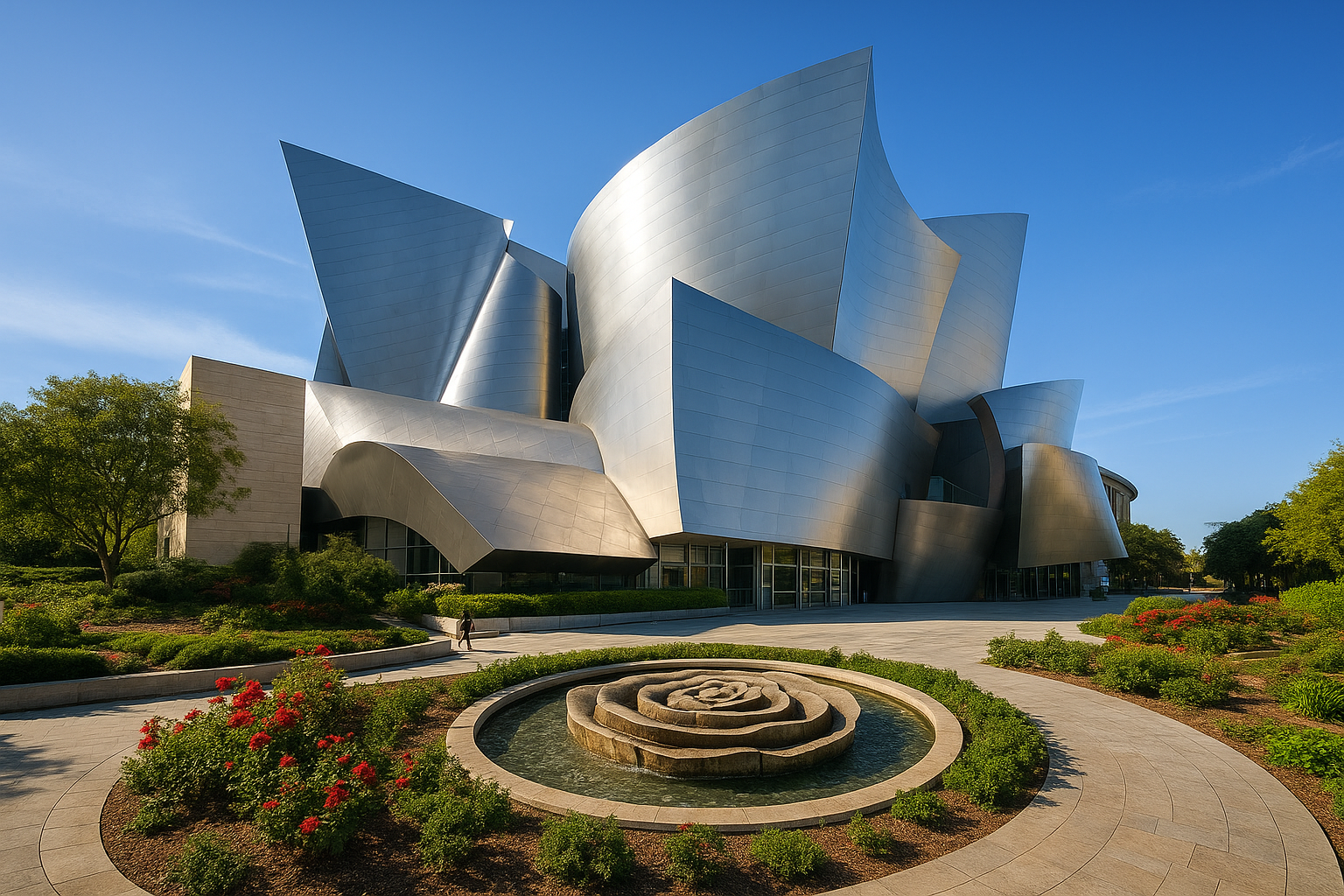
Frank Gehry designed this stainless steel landmark, and it curves and folds across Grand Avenue like nothing else in the city’s skyline. The Walt Disney Concert Hall serves as home base for the LA Philharmonic, but the building itself draws as many visitors as the performances do. Sunken gardens, a rose-shaped fountain, and an outdoor amphitheater sit tucked around the structure, open to the public even on days without a show.
Why it’s worth a visit
Standing next to those curved metal panels up close feels different than any photo captures, the reflections shift constantly as the sun moves and as you walk the perimeter. Even skipping a concert, you can wander the public gardens and BP Hall for free, making this one of the few architectural landmarks downtown that rewards a visit regardless of budget. Music lovers get an added bonus: acoustics inside the hall rank among the best of any concert venue in the country, engineered by Yasuhisa Toyota to carry sound without amplification.
You don’t need a ticket to appreciate Gehry’s building, just a few minutes walking its curves in daylight.
Good to know before you go
Self-guided access to the gardens and lobby areas is free during open hours, but guided interior tours run on select days and require advance booking through the LA Phil’s official site. Concert tickets vary widely by performance and season. Parking underneath the hall gets pricey, so factor that into your visit if you’re driving rather than walking over from The Broad.
4. Grand Central Market
What it is
Grand Central Market has fed downtown workers and visitors since 1917, and it still runs as a sprawling food hall packed into one historic building on Broadway. Dozens of stalls line the interior, serving everything from Oaxacan tacos to Thai noodles to fresh-shucked oysters, all under the same industrial ceiling fans and neon signage that have hung there for decades. Grand Central Market works as both a meal stop and a people-watching spot, since locals and tourists mix at shared communal tables all day long.
Why it’s worth a visit
Food ties this whole list together, and no single stop packs in more variety per square foot than this market. You can sample three different cuisines in one sitting without leaving the building, which beats picking one restaurant and hoping it delivers. Local vendors like Eggslut and Sarita’s Pupuseria built citywide reputations from stalls here, so you’re eating food that locals actually seek out, not tourist-trap versions of LA cuisine.
One trip through Grand Central Market covers more of LA’s food culture than a week of restaurant reservations.
Good to know before you go
The market opens daily from early morning until 9 or 10pm, though hours shift by vendor. Weekday lunch rushes hit hard between noon and 1:30, so arrive earlier or later if you want a table. Cash still works better at some older stalls, though most now take cards. It’s a five-minute walk from Angels Flight, making it an easy combined stop.
5. Angels Flight Railway
What it is
Angels Flight is the world’s shortest railway, a pair of orange-and-black funicular cars that climb a steep half-block hill between Hill Street and California Plaza. It’s been part of downtown since 1901, though the current cars run on tracks that were relocated and restored after decades of stops and starts. The ride itself lasts under a minute, but it’s one of those only-in-LA landmarks that photographs better than almost anything else on this list.
Why it’s worth a visit
Skipping Angels Flight would be a mistake if you’re already at Grand Central Market, since the base sits directly across the street. Riding costs almost nothing and takes almost no time, yet it connects two very different worlds: the historic, gritty energy of Broadway below and the glass towers of Bunker Hill above. Photographers love the graphic contrast between the vintage funicular and the modern skyline behind it.
A one-minute ride up Angels Flight links downtown’s old core to its modern skyline better than any photo can explain.
Good to know before you go
Fares run about a dollar each way, and the railway operates most days from mid-morning into the evening, though it occasionally closes for maintenance without much notice, so check ahead if this stop matters to your route. Cars only fit a handful of riders at a time, so expect a short wait during busy weekend afternoons. Combine it with Grand Central Market and California Plaza for an efficient loop that covers three stops in under thirty minutes total.
6. The Bradbury Building
What it is
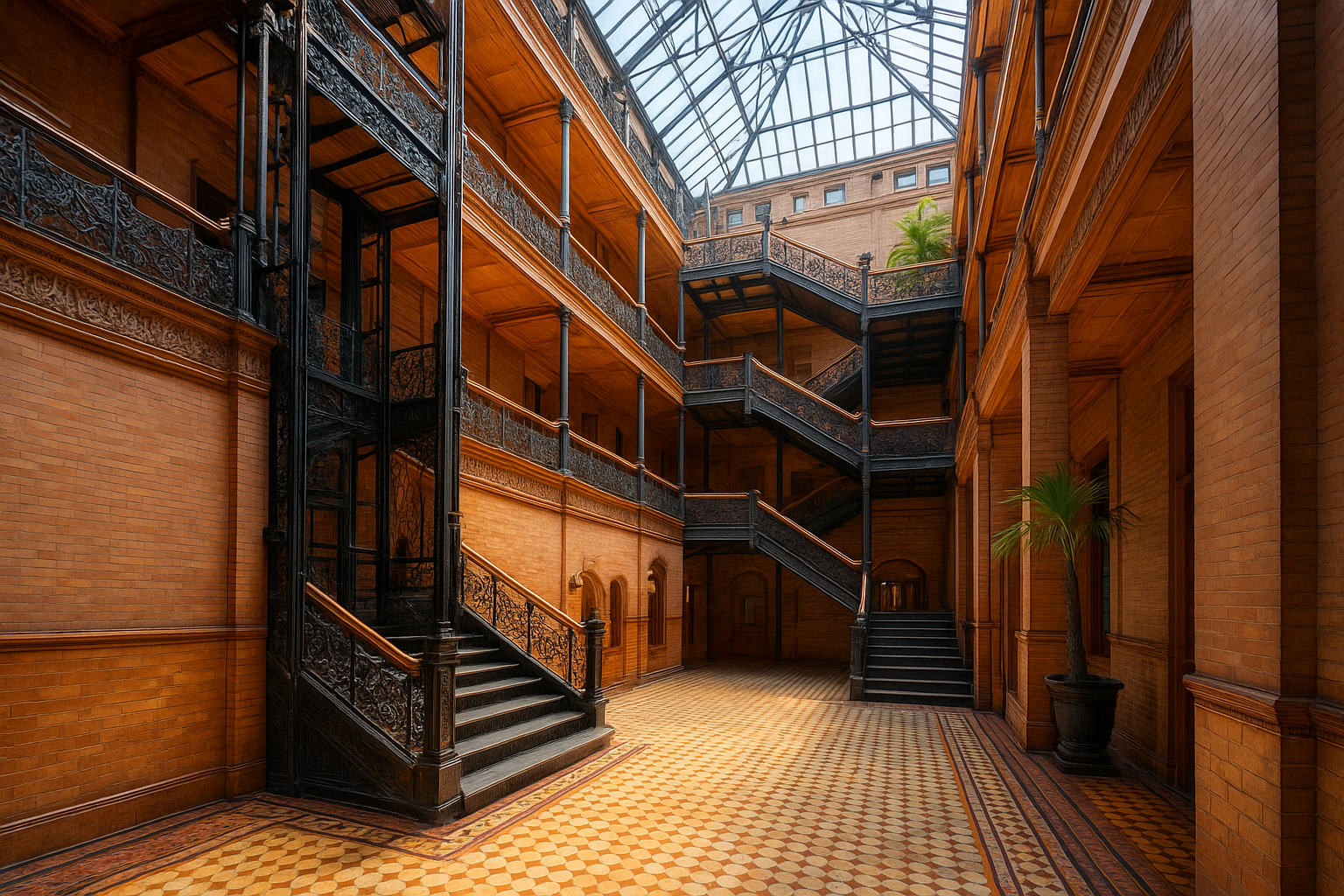
The Bradbury Building looks like nothing special from the sidewalk on Broadway, just a plain brick facade from 1893. Step inside, though, and you’re standing in one of the most photographed interiors in Los Angeles. Wrought-iron staircases, open-cage elevators, and a skylit atrium flood the lobby with natural light bouncing off Mexican tile floors and French ironwork. Architect George Wyman designed it after supposedly consulting a Ouija board, at least according to local legend, and the result still feels ahead of its time more than a century later.
Why it’s worth a visit
Movies figured out what most tourists still don’t know: this lobby is pure cinema. Blade Runner filmed its climactic scenes here, and dozens of other productions have used the atrium as a backdrop since. You don’t need a film buff’s knowledge to appreciate it, though, the ironwork and light alone justify the stop. It’s also one of the few free architectural landmarks downtown you can see in ten minutes flat, which makes it easy to fold into a longer day of sightseeing.
A five-minute stop inside the Bradbury Building delivers one of the most photogenic interiors in all of downtown LA.
Good to know before you go
Public access is limited to the ground floor lobby and staircase landing, since upper floors house private offices. Visits are free, and the building stays open during regular weekday business hours, with shorter access on weekends. Grand Central Market sits directly across the street, so pair the two for an easy fifteen-minute detour.
7. Olvera Street and El Pueblo de Los Angeles
What it is
Olvera Street sits at the heart of El Pueblo de Los Angeles, a state historic park marking the spot where the city was founded back in 1781. The narrow, brick-lined pedestrian street is packed with Mexican marketplace stalls selling leather goods, hand-painted pottery, and fresh churros, all wrapped around some of the oldest surviving buildings in the city, including the Avila Adobe, LA’s oldest standing house.
Why it’s worth a visit
Nowhere else downtown packs this much founding-era history into a few blocks. Walking Olvera Street feels less like sightseeing and more like stepping into a preserved slice of the city’s Mexican and Spanish colonial roots, something the glass towers a few blocks away never hint at. Mariachi bands often play near the central plaza, and the smell of grilling street food pulls you from stall to stall without much effort.
Olvera Street packs more of LA’s founding history into four blocks than anywhere else downtown.
Families especially appreciate the low-key pace here, since there’s no admission fee and plenty of shaded plaza benches to rest between stops.
Good to know before you go
The marketplace runs daily, though hours vary by vendor, with mornings and early afternoons usually the liveliest. Cash helps at smaller stalls, though most now accept cards. Free walking tours of the historic buildings run on select days through the park’s visitor center. Union Station sits just a five-minute walk away, making the two an easy pairing.
8. Union Station
What it is
Union Station opened in 1939 as the last of the great American train stations, and it still functions as LA’s main transit hub for Amtrak, Metrolink, and the subway system. The building blends Spanish Colonial Revival, Mission Revival, and Art Deco styles into one massive hall, with a soaring ceiling, leather chairs original to the 1930s waiting room, and patterned tile work throughout. Union Station handles thousands of commuters daily, but it also draws visitors who just want to see the architecture.
Why it’s worth a visit
Hardly any transit hub in the country doubles as a genuine architectural attraction. Ticket booths sit under hand-painted beams, and the outdoor patios feel more like a mission courtyard than a train platform. Filmmakers have used the station for decades, from noir classics to modern blockbusters, because the light and the arches photograph so well without any set dressing needed.
Union Station proves a working transit hub can still be one of downtown’s best free attractions.
Grabbing a coffee and sitting in the main hall for twenty minutes gives you a genuine sense of old Los Angeles glamour, no ticket required.
Good to know before you go
Walking through the station is free and open daily, with the busiest foot traffic during weekday rush hours. Traveler’s Bookcase and a few small vendors sit inside if you want a snack or souvenir. It also works as a practical transit connection, since the subway’s Red and Purple Lines stop here, making it an easy jumping-off point toward Hollywood or the rest of downtown.
9. Little Tokyo
What it is
Little Tokyo sits just a few blocks from Little Tokyo/Arts District station and holds one of the last remaining historic Japanese American neighborhoods in the country. Little Tokyo dates back to 1885, and the current few blocks pack in temples, mom-and-pop shops, and the Japanese American National Museum, which documents the community’s history including the World War II incarceration camps. Weller Court and the Japanese Village Plaza add a modern shopping layer on top of the older storefronts.
Why it’s worth a visit
Food alone justifies the detour. Ramen shops, mochi bakeries, and izakayas line the main strips, and most of them serve better food than the chains you’ll find in tourist-heavy parts of the city. Beyond eating, the Japanese American National Museum gives real weight to the visit, connecting a lighthearted afternoon of shopping and snacking to a serious chapter of American history that a lot of visitors never learn in school.
Little Tokyo mixes some of downtown’s best food with a history lesson most visitors never expected to find.
Cherry blossoms bloom near the Japanese American Cultural and Community Center each spring, drawing photographers from across the city.
Good to know before you go
A few practical notes:
- Museum admission runs a modest ticket price, with free entry on select Thursdays.
- Weekends get busy, especially around lunch, so arrive early if you want a table without a wait.
- Parking is limited, so the Metro’s Little Tokyo/Arts District stop is usually the easier option.
Give yourself at least an hour here, longer if you’re eating.
10. The Last Bookstore
What it is
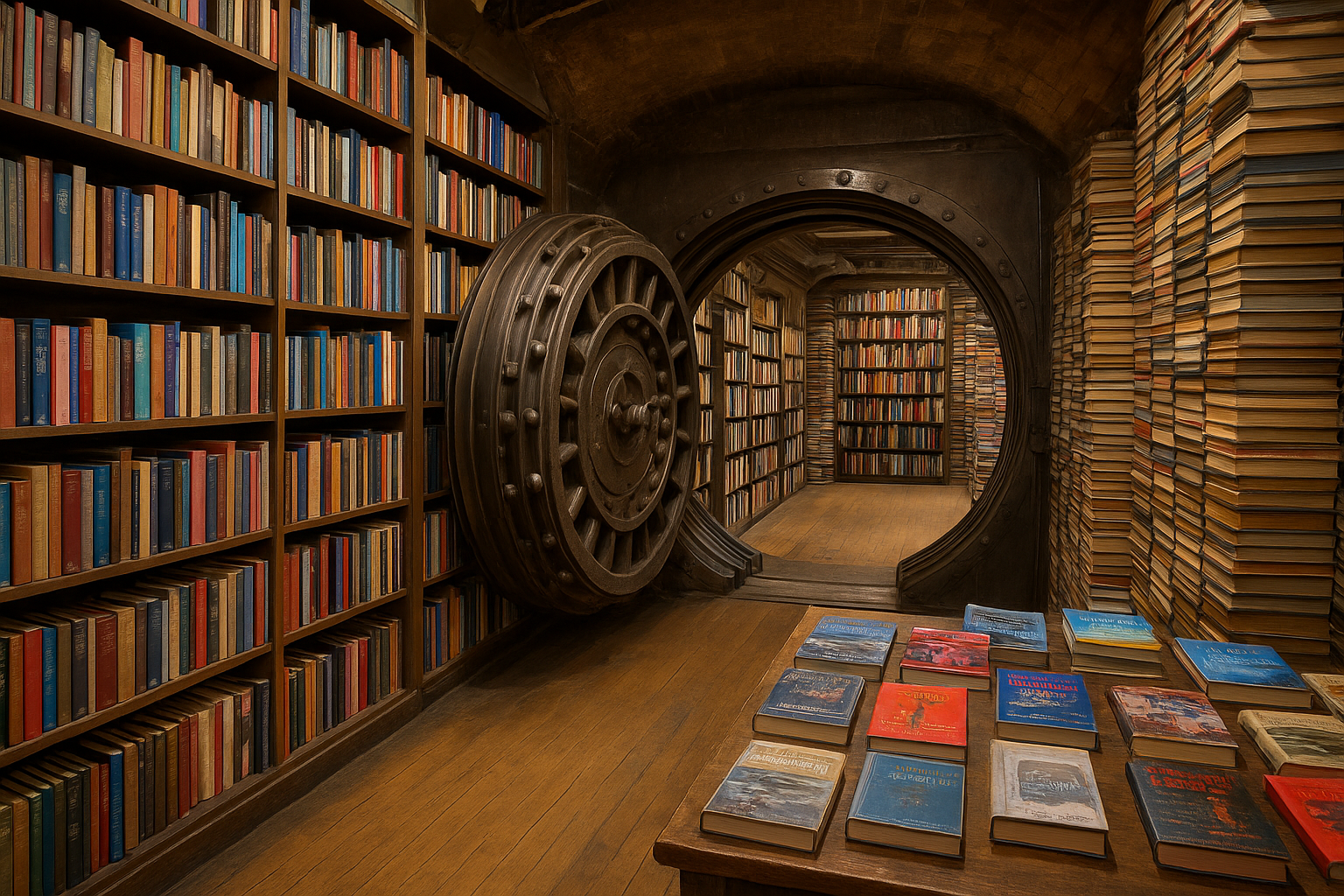
Housed inside a former bank on Spring Street, The Last Bookstore claims the title of California’s largest new and used bookstore, spread across a ground floor and a labyrinthine upper level built into the old bank vaults. Shelves wind through repurposed teller windows, and the vault doors still stand open, now stacked floor to ceiling with paperbacks. Upstairs, an art gallery of book sculptures, tunnels made from stacked hardcovers, a spiral of pages shaped into an arch, draws as many photographers as readers.
Why it’s worth a visit
Bookstores rarely double as architectural attractions, but this one pulls it off without trying too hard. Wandering the vault level feels like exploring a hidden room nobody else found, even though it’s one of the most photographed interiors among downtown LA attractions. Book lovers get lost in the stacks for hours, while non-readers still find the visual spectacle worth the stop.
A former bank vault stacked with books makes The Last Bookstore one of the most photogenic browsing sessions in the city.
Good to know before you go
Entry is free, and the store stays open daily into the evening, with weekends drawing bigger crowds around the vault entrance. The upstairs gallery closes earlier than the main floor, so check hours if photos are your priority. It sits a short walk from Grand Central Market, making an easy pairing for an afternoon loop through the historic core.
11. The Grammy Museum
What it is
The Grammy Museum sits inside L.A. Live, just south of the main downtown core near Crypto.com Arena. Four floors of interactive exhibits trace the history of recorded music, from handwritten lyric sheets to stage outfits worn by artists like Michael Jackson and Taylor Swift. Touchscreen displays let you remix beats, test your vocal range, or sit inside a recreated studio booth, so this isn’t a museum where you just read wall text and move on.
Why it’s worth a visit
Music fans get a genuine payoff here that generic downtown attractions can’t match. Rotating exhibits mean two visits a year apart rarely look the same, since the museum swaps in new artifacts tied to recent Grammy ceremonies or special retrospectives on specific genres. Kids and adults both engage with the hands-on stations, which sets this apart from stuffier institutional museums where touching anything gets you a stern look from security.
The Grammy Museum turns music history into something you play with, not just something you read about.
Combine it with a stroll through L.A. Live’s plaza afterward, especially at night when the digital signage lights up the whole block.
Good to know before you go
- Tickets run around $18 to $20 for adults, with discounts for students, seniors, and kids.
- Plan for 90 minutes to see everything without rushing.
- Parking near L.A. Live gets expensive on event nights, so check the Crypto.com Arena schedule before you drive over.
- Photography is allowed in most galleries, minus a few roped-off artifact cases.
12. Perch rooftop bar
What it is
Perch sits fifteen stories up inside the Pershing Square Building, and it’s the kind of rooftop bar that makes you forget you’re standing above a parking garage entrance. The space channels a French bistro, string lights, ivy-covered railings, and a wraparound patio that wraps around two sides of the building. Perch rooftop bar serves cocktails and a small plates menu, but most people come for the view rather than the food, and that’s fair since the skyline does most of the talking here.
Why it’s worth a visit
Good rooftop bars in downtown LA are rarer than you’d think, and Perch nails the setting without feeling like a hotel lobby dressed up for Instagram. Sunset turns the whole patio gold as the light hits the surrounding high-rises, and that window between 6 and 8pm books up fast for a reason. City Hall’s tower glows in the distance once the sun drops, giving you one of the better nighttime views among any of the things to see in downtown Los Angeles.
A sunset drink at Perch gives you downtown’s skyline without the hassle of an observation deck line.
Good to know before you go
Reservations matter here, especially on weekends, since walk-ins often face long waits or get turned away entirely. Dress leans smart casual, and the dress code gets loosely enforced at the door. Expect cocktails in the $16 to $20 range, with small plates running similarly. Validated parking is available nearby, though rideshare saves you the hassle.
13. Los Angeles City Hall observation deck
What it is
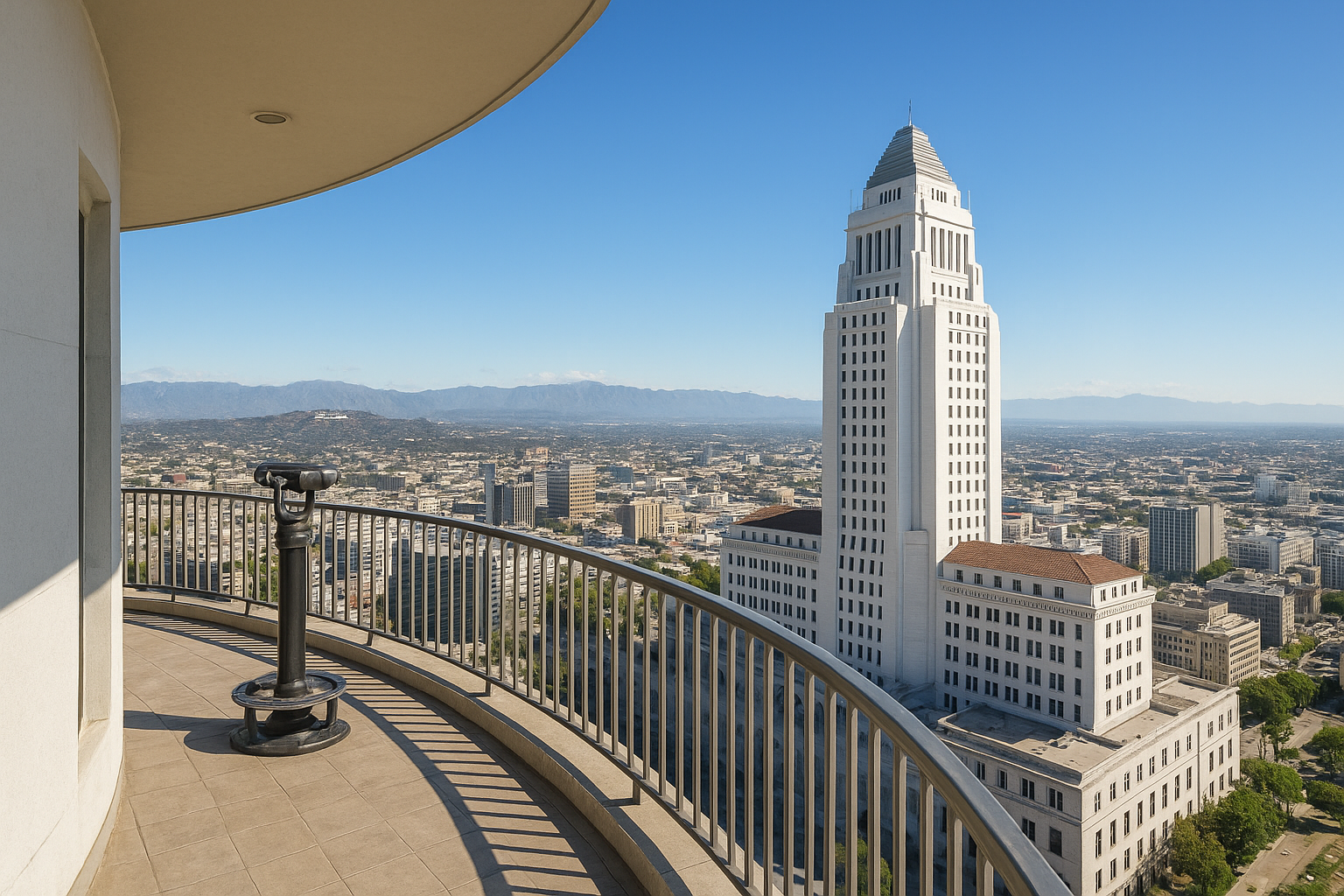
City Hall’s tower has watched over downtown since 1928, and its 27th-floor observation deck wraps around the building for a 360-degree view most tourists never realize is free. The Art Deco lobby downstairs sets the tone with marble floors and gilded ceiling details, but the real payoff sits upstairs, where floor-to-ceiling windows frame everything from the Hollywood Sign to the ports of Long Beach on a clear day.
Why it’s worth a visit
Few government buildings anywhere let the public ride an elevator to a rooftop view without charging a dime. That alone puts City Hall ahead of paid observation decks elsewhere in the city. Superman fans might recognize the tower from decades of film and TV appearances, since its silhouette doubled as the Daily Planet building long before modern skylines existed to compete with it.
A free elevator ride to the 27th floor beats paying for a view anywhere else downtown.
Standing up there also gives you a useful orientation point, since you can spot half the other stops on this list from the railing.
Good to know before you go
Access requires photo ID and a walk through security, similar to any government building. The deck stays open on weekdays only, generally from 9am to 4pm, and closes for city holidays without much advance notice online. Give yourself fifteen to twenty minutes for the visit, longer if you’re taking photos in the lobby first.
14. Chinatown
What it is
Los Angeles’s Chinatown predates most of what’s on this list, tracing back to the 1850s, though the current Central Plaza dates to 1938 after the original neighborhood was displaced to build Union Station. Neon signage, ornate gates, and dragon-adorned lampposts line the plaza, giving it a look that’s part historic enclave and part mid-century tourist attraction built specifically to draw visitors. Central Plaza anchors the neighborhood, surrounded by herbal shops, dim sum spots, and a growing wave of art galleries and natural wine bars that have moved in over the last decade.
Why it’s worth a visit
Contrast is what makes this stop worth your time. Old-school barbecue shops and jade importers sit blocks from some of downtown’s trendiest new restaurants, so you get generational LA history and current food culture in the same short walk. Gold Line train murals and street art scattered through the side alleys add another layer for anyone wandering off the main plaza. Evenings bring out the neon best, when the pagoda rooflines and lantern strings light up against the sky.
Chinatown’s old neon signs and new wine bars sitting side by side sum up how downtown LA keeps reinventing itself.
Good to know before you go
Most shops and restaurants open by mid-morning, though the newer bars and galleries run later into the evening. The Gold Line’s Chinatown station drops you right at the plaza, making parking unnecessary if you’re coming from elsewhere downtown. Weekends bring the biggest crowds, especially around Lunar New Year celebrations.
Wrapping up your Downtown LA visit
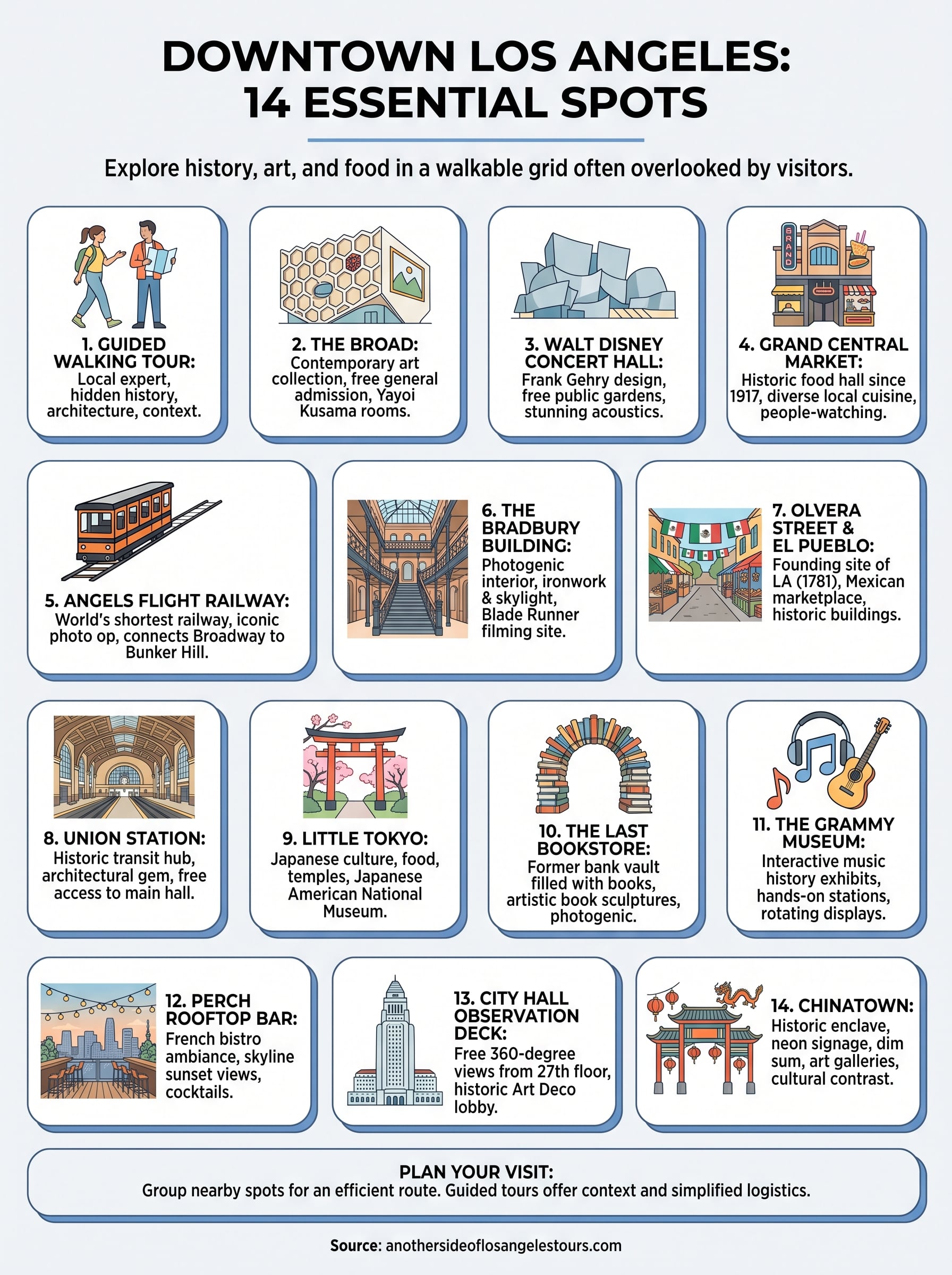
Fourteen stops is plenty to fill a weekend, but you don’t need all of them to have a great day in DTLA. Pick a cluster, Grand Central Market, Angels Flight, and the Bradbury Building sit within a five-minute walk of each other, and you’ve already covered three highlights before lunch. Stack a museum or two around that, and you’ve got a full afternoon without backtracking across downtown.
Getting the order right matters more than most visitors expect, and that’s exactly where a guide pays off. Rather than mapping routes yourself or missing the story behind a building you walked right past, let someone who knows these blocks handle the logistics while you focus on actually seeing the city. If you’d rather skip the planning altogether, book a downtown LA walking tour and let a local guide connect all these stops into one smooth, well-paced day.