Hollywood pulls in more first-time visitors than almost any neighborhood in Los Angeles, and most of them waste half a day wandering Hollywood Boulevard wondering what’s actually worth their time. If you’re searching for the must see places in Hollywood, you’re probably staring at a map full of tourist traps and trying to figure out which ones actually earn the hype. That confusion is exactly why so many trips here feel rushed and disappointing.
This list cuts through the noise. You’ll get twelve spots that combine genuine historical weight with photo-worthy payoff, from the stars embedded in the sidewalk to viewpoints most visitors never find on their own. Each pick includes what makes it worth your limited hours and how to see it without standing in a crowd for an hour.
We’ve guided travelers through this neighborhood for years, and we know which landmarks deliver and which ones are better skipped. Whether you’re planning a self-guided walk or considering a guided route to save time, this rundown gives you a realistic, no-fluff plan for your first trip to Hollywood.
1. Take a guided Hollywood sightseeing tour
What it is
A guided Hollywood sightseeing tour puts a local expert in charge of your route, timing, and stories, so you spend your hours actually seeing landmarks instead of hunting for parking or scrolling reviews to figure out where to eat lunch. Another Side Of Los Angeles Tours runs several versions of this experience, from small-group walks along Hollywood Boulevard to private vehicle tours that loop in Beverly Hills and the greater LA area. Guides carry knowledge that doesn’t show up on a plaque: which studio gates still film active productions, which side streets hide celebrity homes, and which stretch of sidewalk stars gets bypassed by tour buses entirely.
Why it’s worth visiting
Starting your trip here solves the exact problem that sends most first-timers home disappointed. Hollywood Boulevard is dense, chaotic, and packed with costumed street performers angling for tips, and without context, the stars on the sidewalk and the theater facades blur together into forgettable snapshots. A guide sorts the must see places in Hollywood from the filler, explains why the TCL Chinese Theatre courtyard matters, and times your visit to dodge the worst of the midday crowds.
A guided tour turns a confusing boulevard into a clear, story-driven itinerary in under two hours.
Group sizes matter here too. Another Side builds tours for private parties, semi-private small groups, and even corporate outings, with transportation options ranging from a private vehicle to Segway and e-bike routes for people who want to cover more ground on two wheels. Thematic options exist as well, including photo-focused walks built for Instagram and haunted Hollywood tours that dig into the neighborhood’s darker history.
Practical visitor tips
Booking ahead matters more in Hollywood than in most LA neighborhoods, since good guides and small-group slots fill up during peak tourist season (June through August, and the weeks around major awards shows).
- Book 3-5 days ahead for standard walking tours, and 1-2 weeks ahead for private or themed tours during summer
- Confirm pickup details if you’re using a tour with hotel transportation included
- Wear comfortable shoes regardless of transportation method; even vehicle and Segway tours involve walking stretches
- Ask about group discounts if you’re traveling with three or more people
- Check tour length before booking; options here run from 90 minutes to a full 7-hour combination tour
Prices for guided Hollywood tours typically range from $75 for a basic walking tour to nearly $2,000 for private limousine experiences, so match the format to your budget and how much of the neighborhood you actually want covered in one sitting.
2. Hollywood Walk of Fame
What it is
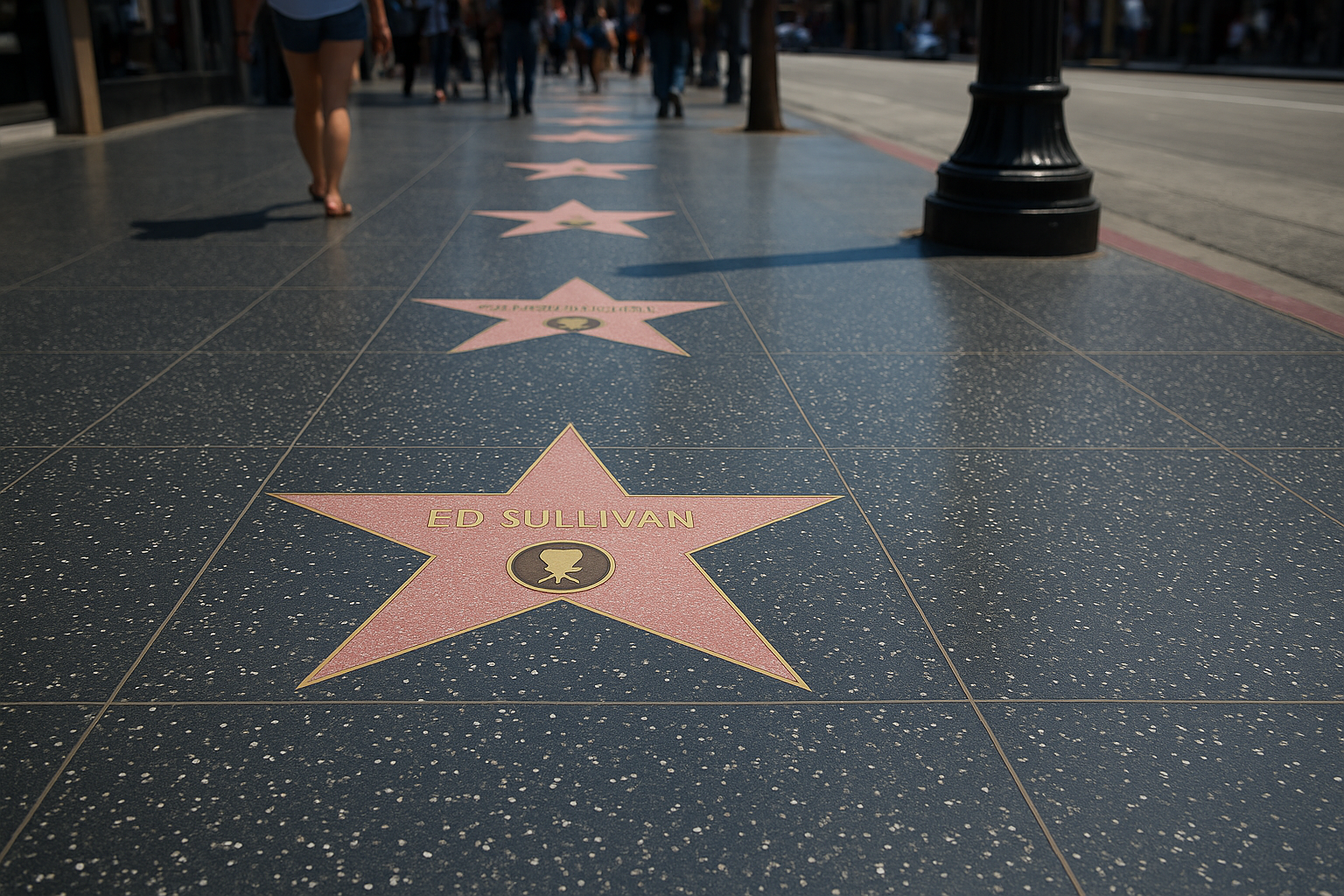
The Hollywood Walk of Fame is a stretch of sidewalk running along Hollywood Boulevard and Vine Street, embedded with over 2,700 brass stars honoring actors, musicians, directors, and other entertainment figures. Each star lists the honoree’s name and a small icon marking their category, whether that’s film, television, radio, music, or live theater. The Hollywood Chamber of Commerce has managed the honor since 1958, and a handful of new stars still get added every year.
Why it’s worth visiting
Walking these blocks gives you a physical timeline of American entertainment that no museum replicates quite the same way. You’ll spot names spanning nearly a century, from silent-era stars to current chart-topping musicians, all set into the same sidewalk pedestrians use every day. It’s one of the most photographed must see places in Hollywood for a reason: finding a favorite celebrity’s star and snapping a photo standing on it has become a rite of passage for visitors.
The Walk of Fame turns a simple sidewalk stroll into a hands-on tour through decades of entertainment history.
Practical visitor tips
The stars run for roughly 1.3 miles, so you don’t need to cover the whole stretch to get the experience. Focus your time near the busiest blocks between Hollywood and Highland, where the highest concentration of recognizable names sits close together.
- Go early morning (before 9am) or after sunset to avoid the thickest crowds and midday heat
- Use a star locator app or the official Hollywood Chamber website beforehand if you’re hunting a specific name
- Watch your footing near street performers and costumed characters who work this stretch for tips
- Skip cash tips for photos with characters unless you actually want the interaction; it’s optional, not required
- Pair this stop with the TCL Chinese Theatre, since both sit within the same easy walking block
3. TCL Chinese Theatre
What it is
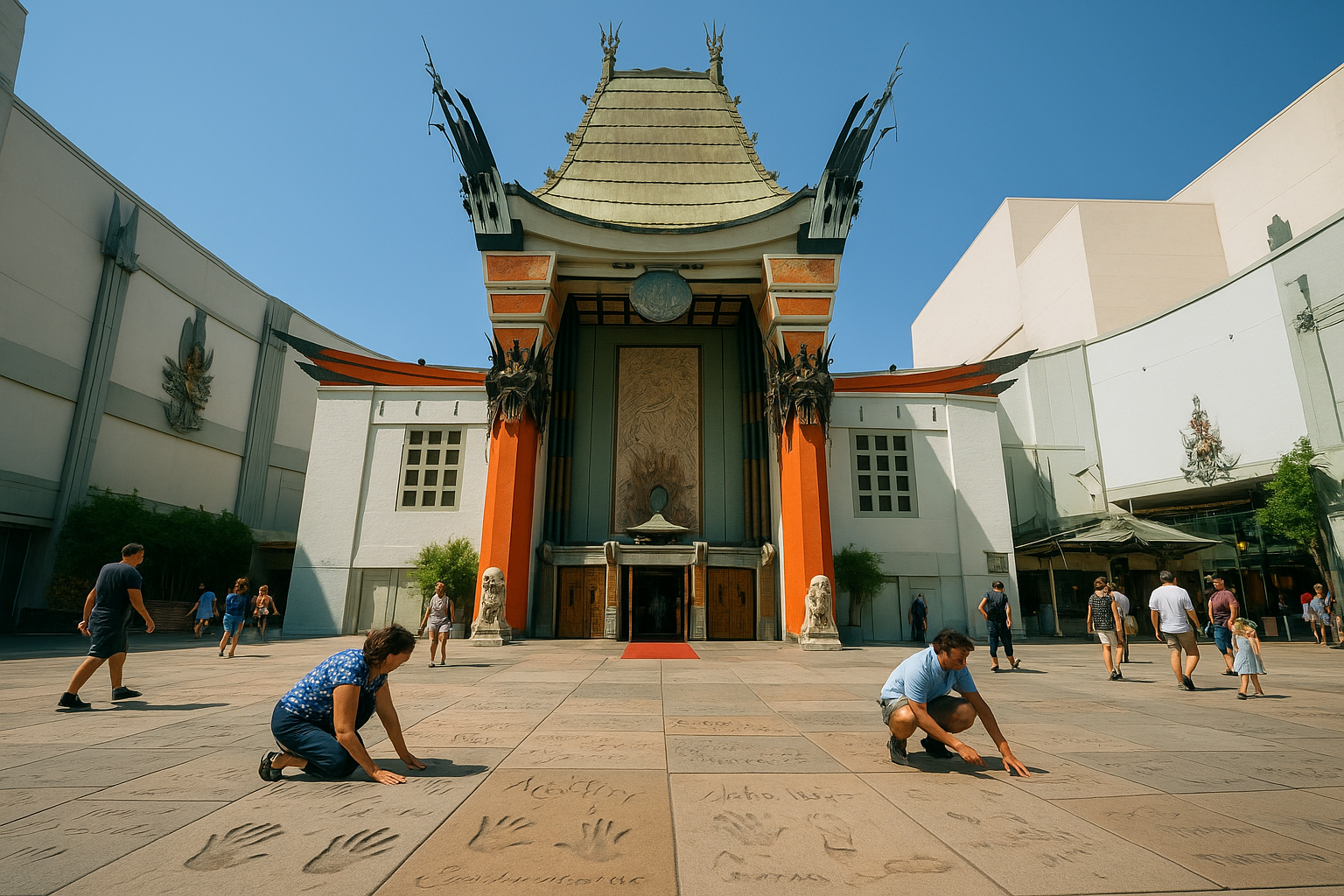
Standing at 6925 Hollywood Boulevard since 1927, the TCL Chinese Theatre is the ornate movie palace you’ve seen in a hundred award-show broadcasts without realizing it. Sid Grauman built the theater with pagoda rooflines, temple bells, and stone dragons imported to give the entrance real theatrical weight, and it still operates as a working cinema today under the TCL brand. Out front, the forecourt holds handprints, footprints, and signatures pressed into cement by hundreds of stars, a tradition that started the same year the theater opened.
Why it’s worth visiting
Unlike a plaque or a star on the sidewalk, this courtyard gives you something tactile: you can line up your own hand against Marilyn Monroe’s or crouch down to compare shoe size with John Wayne’s boot print. That hands-on element makes it one of the most engaging must see places in Hollywood, especially for visitors traveling with kids who get bored fast at purely visual landmarks. The theater itself still hosts premieres and screenings, so there’s a real chance you’ll catch a red carpet event happening on the spot rather than a recreated version of one.
The forecourt turns Hollywood history into something you can literally put your hands on.
Practical visitor tips
The forecourt is free and open during daytime hours, but a proper look inside the auditorium requires either a movie ticket or a guided theater tour.
- Visit early morning to photograph the cement prints without dozens of people crowding each block
- Book a behind-the-scenes tour if you want access past the lobby and into the actual auditorium
- Bring a phone charger; this stop generates more photos than almost any other on Hollywood Boulevard
- Check the marquee before you go if you’re hoping to catch a screening or event during your visit
4. Dolby Theatre
What it is
The Dolby Theatre sits right next door to the TCL Chinese Theatre at the Hollywood & Highland complex, and it’s the venue that hosts the Academy Awards every year. Opened in 2001, the theater seats over 3,300 people and was purpose-built with the Oscars in mind, from its sightlines to its sound engineering. Outside of awards season, the Dolby also books concerts, touring Broadway productions, and the occasional taping, so it’s a working venue rather than a static landmark.
Why it’s worth visiting
Most visitors know the Dolby from television, watching celebrities walk the red carpet on the exact steps you can stand on yourself. That familiarity is what makes it one of the more satisfying must see places in Hollywood to check off, especially if you’ve watched the Oscars broadcast for years and want to see the space in person. A guided tour takes you past the red carpet entrance, into the theater seating, and up to the Founders Room and VIP lounges, giving you a real sense of scale that television cameras flatten out.
Standing where Oscar winners walk turns an abstract awards broadcast into a place you can actually visit.
Practical visitor tips
Access to the interior requires a paid guided tour, since the lobby and auditorium aren’t open for casual walk-ins outside of ticketed events.
- Book the official Dolby Theatre tour in advance, since daily tour slots are limited and sell out during peak season
- Time your visit around show schedules; tours often pause when the venue is prepping for a concert or event
- Bring photo ID if you’re picking up tickets at the box office rather than printing them ahead
- Combine this stop with the TCL Chinese Theatre and Hollywood \u0026 Highland shops since they share the same complex
- Check for special exhibits tied to awards season, which sometimes add extra rooms to the standard tour route
5. Best spots to view the Hollywood Sign
What it is
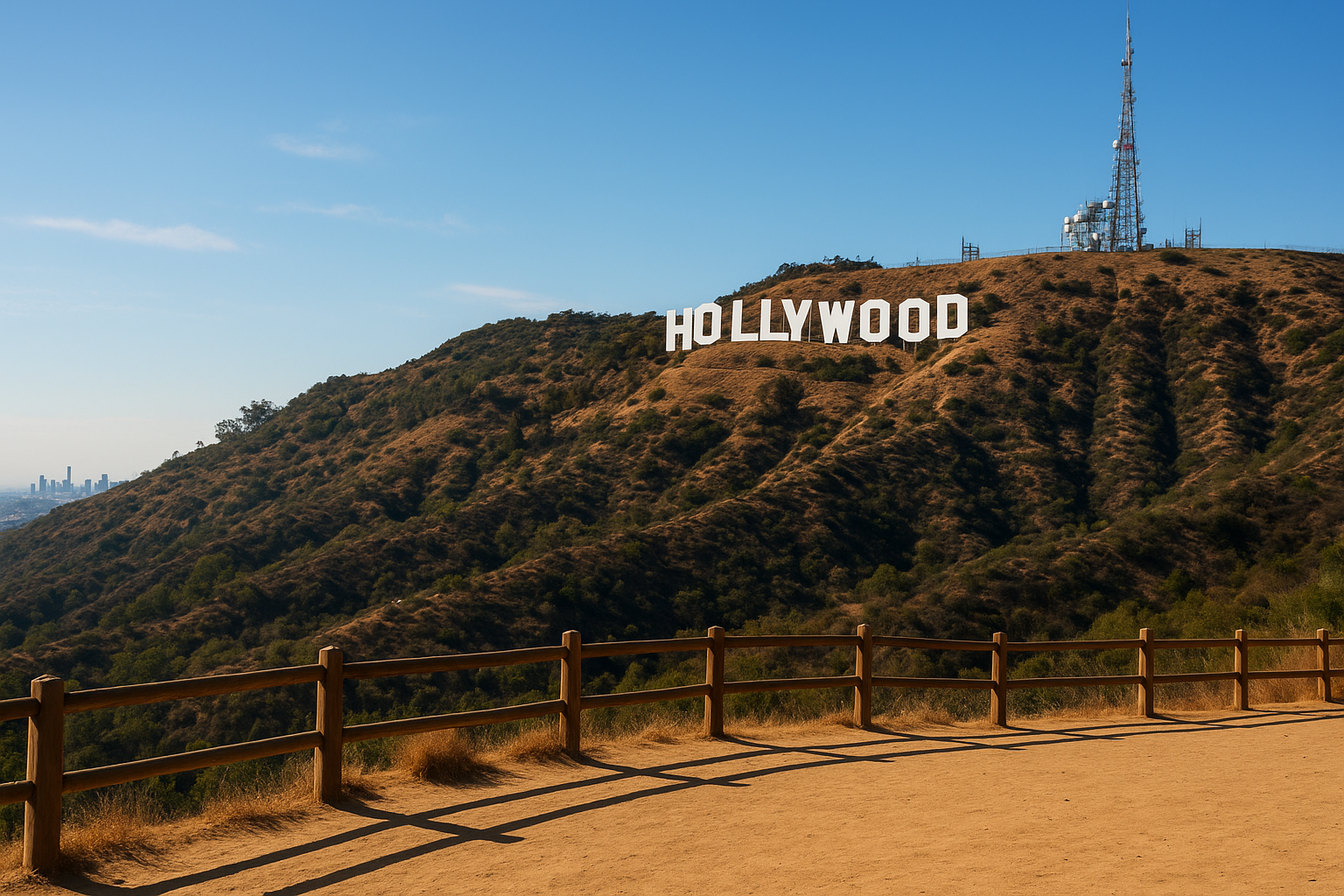
The Hollywood Sign sits on Mount Lee in Griffith Park, spelling out nine letters that have stood in some form since 1923. You can’t walk up to the letters themselves anymore since the immediate area is fenced off and monitored, but several viewpoints around the city give you a clear, unobstructed line of sight. Griffith Observatory, Lake Hollywood Park, and the Hollywood Sign Trail off Mount Hollywood Drive rank as the three most reliable spots for a solid look.
Why it’s worth visiting
Skipping this stop means missing the one landmark that visually defines Los Angeles more than any star on the sidewalk. Each viewpoint offers a different angle and distance, so your photo depends heavily on which one you pick. Lake Hollywood Park gives you a closer, more symmetrical shot without much hiking, while Griffith Observatory pairs the sign with a wider skyline view and the observatory building itself in frame.
The right viewpoint matters more than the sign itself when it comes to getting a photo worth keeping.
| Viewpoint | Distance to sign | Effort required |
|---|---|---|
| Lake Hollywood Park | Close, clear view | Minimal walking |
| Griffith Observatory | Moderate distance | Short walk from parking |
| Hollywood Sign Trail | Closest legal approach | Moderate hike, 3+ miles round trip |
Practical visitor tips
Parking fills up fast at every viewpoint, especially on weekends, so plan around that before you commit to a spot.
- Arrive before 10am at Lake Hollywood Park to find street parking
- Bring water and sun protection for the Hollywood Sign Trail hike
- Check Griffith Observatory hours since parking gates close overnight
- Use a zoom lens or phone zoom since no viewpoint puts you directly beside the letters
- Avoid trespassing near the fenced sign area; it’s monitored and enforced
6. Pantages Theatre
What it is
The Pantages Theatre sits at 6233 Hollywood Boulevard, a couple of blocks east of the busiest tourist stretch, and it’s one of the finest Art Deco buildings left in Los Angeles. Built in 1930 by theater magnate Alexander Pantages, the venue originally showed vaudeville acts and movies before shifting into the touring Broadway house it is today. Step inside and you’ll find sunburst ceiling motifs, gold leaf detailing, and a lobby that still looks like a movie set from its opening year.
Why it’s worth visiting
Most of Hollywood Boulevard rewards you for looking down at the sidewalk stars. The Pantages rewards you for looking up. Its interior counts among the best-preserved examples of Art Deco design on the West Coast, and it gives you a completely different flavor of history compared to the wax figures and cement handprints nearby. Catching a touring Broadway production here turns a quick photo stop into an actual evening out, and that variety is exactly why locals rank it among the must see places in Hollywood that out-of-towners tend to walk right past.
A theater built for vaudeville in 1930 now hosts Broadway’s biggest touring shows under the same gold-leaf ceiling.
Practical visitor tips
The Pantages only opens its interior during scheduled performances, so casual daytime walk-ins won’t get past the lobby doors.
- Buy tickets ahead for whatever touring show is running; the schedule rotates every few weeks and popular titles sell out fast
- Arrive 30 minutes early to actually appreciate the lobby ceiling and chandeliers before the house opens
- Check the marquee even if you’re not seeing a show; it’s a solid photo stop on its own
- Combine this stop with a walk further down Hollywood Boulevard toward the Chinese Theatre, since it’s an easy 10-minute stroll between the two
7. Madame Tussauds Hollywood
What it is
Madame Tussauds Hollywood sits right on Hollywood Boulevard near Highland Avenue, housing hundreds of wax figures modeled after actors, musicians, athletes, and historical figures. Sculptors spend months on each figure, measuring real celebrities in person when possible and matching skin tone, hair, and even freckle placement under studio lighting. The museum spans multiple themed floors, so you’ll move from a red carpet lineup of A-list stars into rooms dedicated to superheroes, music icons, and sports legends without ever stepping back outside.
Why it’s worth visiting
Crowds and weather stop bothering you the moment you walk through these doors, which is a real relief after an hour on the sun-baked boulevard outside. Figures here are posed for interaction rather than roped off behind glass, so you can stand next to your favorite musician or squeeze into a photo with a superhero without waiting for an actual celebrity sighting. That interactive setup makes this one of the more kid-friendly must see places in Hollywood, especially on days when the outdoor heat makes walking tours a harder sell for younger visitors.
Madame Tussauds gives you the celebrity photo op that Hollywood Boulevard promises but rarely delivers.
Practical visitor tips
Tickets typically run cheaper when booked online in advance rather than purchased at the door, and combo tickets bundling nearby attractions can save a few extra dollars.
- Book timed-entry tickets online to skip the ticket counter line during peak afternoon hours
- Visit on a weekday morning if you want space to pose without other visitors in frame
- Bring your own camera or phone; professional photo packages at the exit are optional, not required
- Check combo deals that pair entry here with Ripley’s Believe It or Not, since both sit close together
- Budget about 60-90 minutes to see every themed floor without rushing
8. The Hollywood Museum
What it is
Housed inside the historic Max Factor Building at 1660 North Highland Avenue, The Hollywood Museum packs four floors of genuine film and television memorabilia into a space that once served as a makeup studio for the industry’s biggest stars. Original costumes, props, and personal items from decades of productions fill the galleries, including pieces from Silence of the Lambs, Star Trek, and dozens of classic Hollywood films. Max Factor’s old makeup rooms remain intact on the lower level, complete with the color-coded salon doors he used to sort clients by hair color, a detail most visitors never expect to find inside a museum.
Why it’s worth visiting
Detail is what separates this stop from the wax figures and cement handprints elsewhere on the boulevard. You’re looking at actual wardrobe pieces and production props rather than replicas, and the sheer density of items per room rewards visitors who like reading placards as much as taking photos. Marilyn Monroe’s dressing table, original Planet of the Apes costumes, and Dr. Hannibal Lecter’s holding cell all sit within a single building, making this one of the more substantial must see places in Hollywood for anyone who wants depth over spectacle.
A single building holds more authentic film history than most visitors expect to find on the entire boulevard.
Practical visitor tips
Give yourself real time here since the collection runs deep across four packed floors.
- Budget 60-90 minutes minimum to see all four floors without rushing
- Buy tickets at the door; lines are rarely long outside of holiday weekends
- Check for the basement makeup rooms, easy to miss if you don’t ask staff where the entrance is
- Bring a light jacket; the building’s older HVAC system keeps some rooms noticeably cooler
- Pair this stop with Madame Tussauds, since both sit within a short walk near Highland Avenue
9. Ripley’s Believe It or Not Hollywood
What it is
Tucked into a historic building at 6780 Hollywood Boulevard, Ripley’s Believe It or Not Hollywood fills two floors with oddities collected from Robert Ripley’s decades of world travel. Shrunken heads, a two-headed calf, and a portrait of Marilyn Monroe made entirely from Legos sit alongside interactive exhibits like a vortex tunnel and a spinning barrel bridge you have to cross without falling over. Ripley’s original concept dates back to newspaper cartoons in the 1920s, and this Hollywood location keeps that carnival-of-curiosities spirit intact rather than sanitizing it into a standard museum layout.
Why it’s worth visiting
Oddity collections work because they surprise you room after room, and this one rarely repeats itself. Genuine artifacts sit next to gimmicky interactive stations, so you get a mix of "wait, that’s real?" moments and playful photo ops in the same visit. It earns a spot among the must see places in Hollywood for travelers who want something weirder than a wax figure or a cement handprint, and the strange-but-true format keeps kids and adults equally entertained without needing much background knowledge going in.
Ripley’s works because it trades polished history for genuine strangeness, and that’s exactly what makes it memorable.
Practical visitor tips
The building itself is worth a glance before you even walk in, since the odd, tilted facade hints at the strangeness waiting inside.
- Buy tickets online for a small discount over walk-up pricing at the door
- Budget 45-60 minutes to move through both floors comfortably
- Try the vortex tunnel early in your visit; lines build up by mid-afternoon
- Combine tickets with Madame Tussauds next door for a bundled discount
- Skip this stop if you’re traveling with very young kids who might find some exhibits unsettling
10. Capitol Records Building
What it is
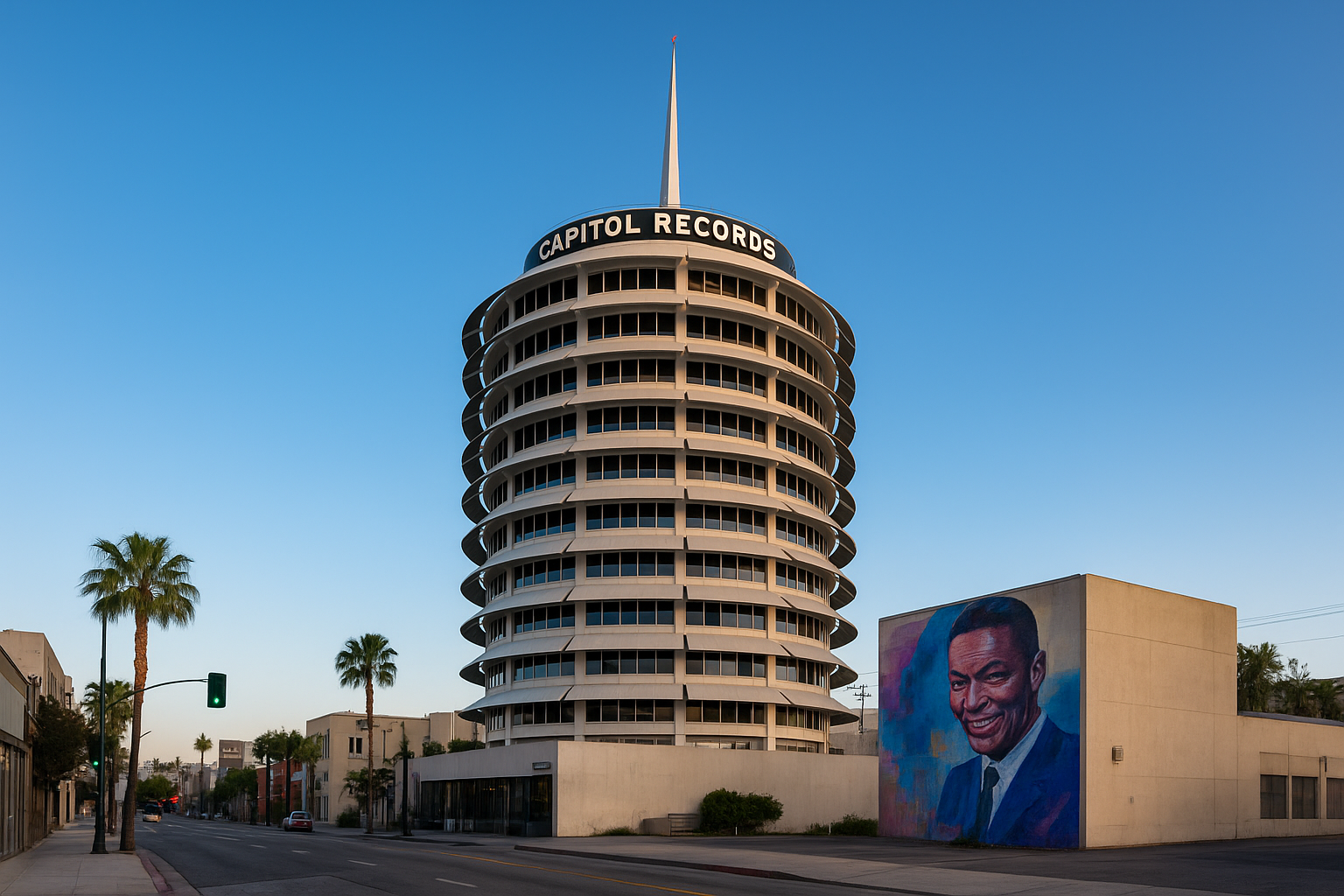
Standing at 1750 Vine Street, just off Hollywood Boulevard, the Capitol Records Building looks like a stack of vinyl records set on end, a design detail architect Welton Becket built into the tower back in 1956. It was the world’s first circular office building, and the red aircraft warning light on its spire still blinks out "HOLLYWOOD" in Morse code every night, a feature baked into the original design. The building remains an active recording studio and label headquarters today, so you’re looking at a working piece of the music industry rather than a retired landmark.
Why it’s worth visiting
Few buildings anywhere pack this much design personality into a single glance, and it photographs well from nearly every angle on Vine Street. Frank Sinatra, The Beatles, and Nat King Cole all recorded inside these walls, and that legacy gets a permanent tribute on the sidewalk out front, where a Walk of Fame star and a mural honoring Cole sit within steps of each other. Among the must see places in Hollywood on this list, it’s one of the fastest stops, taking barely ten minutes yet delivering one of the most distinctive photos of the whole trip.
A building shaped like a stack of records has quietly recorded some of music’s biggest names since 1956.
Practical visitor tips
There’s no public tour of the interior, since it’s a functioning studio complex, so plan your visit around the exterior and nearby sidewalk details.
- Shoot from across Vine Street for the best angle showing the full circular tower
- Visit at dusk to catch the blinking spire light against the darkening sky
- Look for the Nat King Cole mural on the building’s north wall before you leave
- Pair this stop with a short walk toward the Hollywood Walk of Fame’s Vine Street stretch, since several stars sit close by
11. Hollywood Bowl
What it is
Carved into the Hollywood Hills at 2301 North Highland Avenue, the Hollywood Bowl is a natural amphitheater that’s hosted live music since 1922. The venue seats close to 18,000 people beneath its distinctive concentric arch shell, a design that’s been rebuilt several times over the decades but always keeps that same recognizable curve. Its calendar runs from the Los Angeles Philharmonic’s summer season to touring pop acts, jazz nights, and the annual Fourth of July fireworks show, so the lineup changes constantly depending on when you visit.
Why it’s worth visiting
Seeing a show here beats almost any other music venue in the city, mostly because of how the hillside setting turns an ordinary concert into an outdoor event with a view. Bringing a picnic and a bottle of wine to your seats is standard practice, not a special exception, and that relaxed culture sets the Bowl apart from typical arena shows. Even without a ticket, the on-site Hollywood Bowl Museum covers the venue’s history for free, making it one of the more flexible must see places in Hollywood for travelers working around a tight schedule.
A concert at the Hollywood Bowl feels less like a show and more like a picnic with a soundtrack.
Practical visitor tips
Parking lots fill up fast on show nights, so plan your arrival with that in mind.
- Book tickets online well ahead for popular summer concerts, since good seats sell out weeks in advance
- Bring your own picnic, or order a prepared box meal through the Bowl’s food service in advance
- Arrive at least 90 minutes early to find parking and walk in without rushing
- Check the free museum even on non-concert days, since it’s open to the public separately
- Pack a light layer; the hillside air cools off fast once the sun drops
12. Musso & Frank Grill
What it is
Musso & Frank Grill has served Hollywood Boulevard since 1919, making it the oldest restaurant in the neighborhood and one of the oldest in Los Angeles period. Red leather booths, wood-paneled walls, and waiters in red jackets fill a dining room that’s barely changed its layout in a century. The kitchen still runs old-school specialties like a martini stirred tableside, thick-cut steaks, and a chicken pot pie that’s been on the menu since before World War II.
Why it’s worth visiting
Sitting down here gives you a break from walking that also doubles as a history lesson. Charlie Chaplin, F. Scott Fitzgerald, and Raymond Chandler all drank and dined in these same booths, and studio executives still cut deals over lunch at the counter today. That mix of literary history and working restaurant makes it one of the more grounded must see places in Hollywood, especially after a few hours of wax figures and cement handprints. You’re not viewing history behind glass here. You’re eating a martini olive out of it.
Musso & Frank Grill lets you sit inside Hollywood’s history instead of just photographing it from the sidewalk.
Practical visitor tips
Reservations matter more here than at almost any other stop on this list, since the dining room is smaller than the restaurant’s reputation suggests.
- Reserve a table at least a few days ahead, especially for dinner on weekends
- Sit at the old bar counter if you want the classic experience without a full sit-down meal
- Order the martini and the steak, the two dishes the restaurant is genuinely known for
- Dress a notch above casual; it’s not formal, but shorts and flip-flops feel out of place
- Visit for lunch if dinner reservations are booked solid, since the same menu runs all day
Putting together your Hollywood day
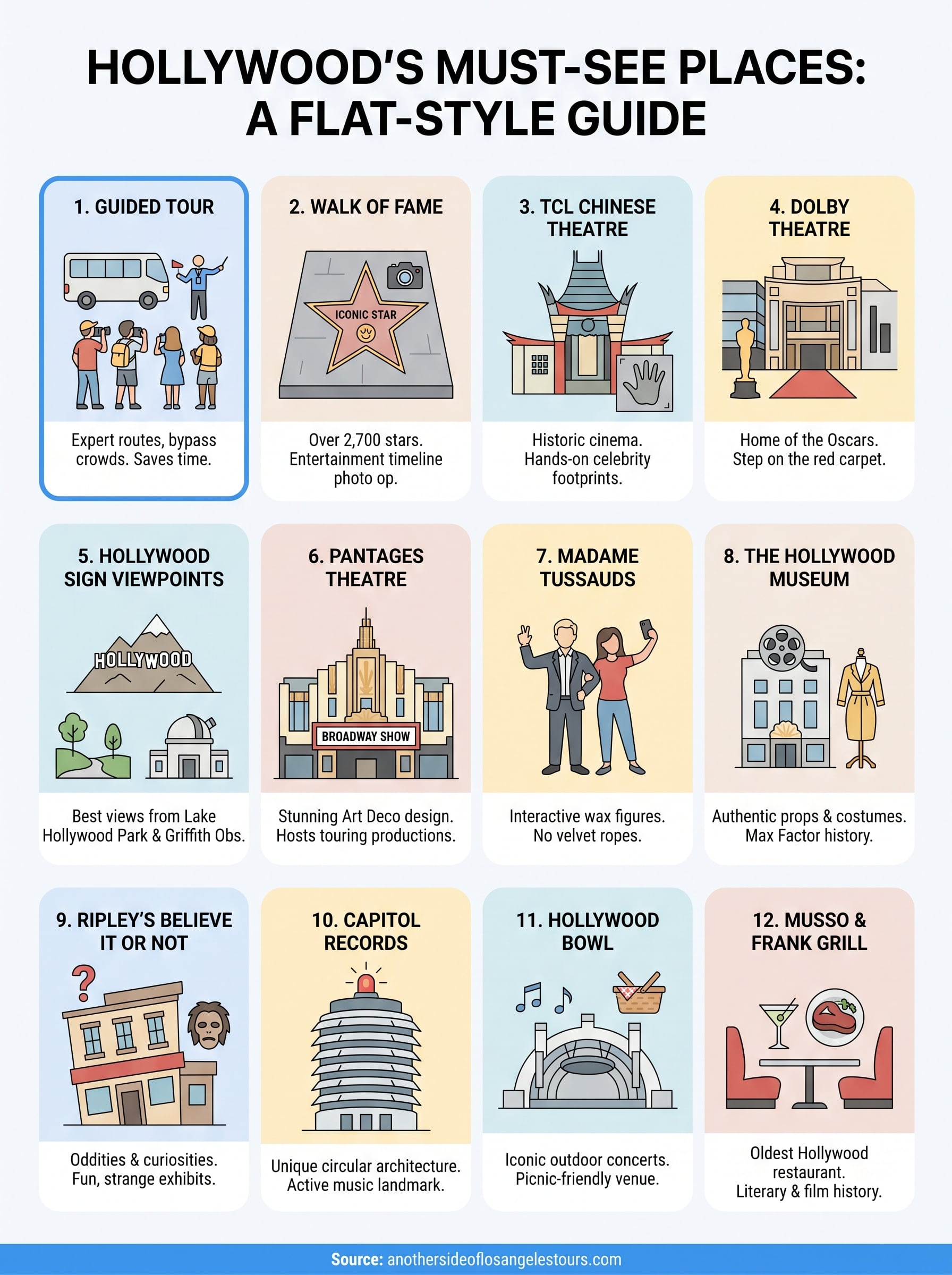
Twelve stops sound like a lot until you realize how close they sit together. The Walk of Fame, TCL Chinese Theatre, Dolby Theatre, Madame Tussauds, and Ripley’s all cluster within a ten-minute walk of each other, so you can knock out half this list before lunch. Save Musso & Frank for your midday break, then handle the Hollywood Sign viewpoints, Capitol Records, and the Hollywood Bowl as a separate loop since they sit farther out.
Planning it yourself works fine if you’ve got a full day and don’t mind figuring out logistics as you go. But if you’d rather skip the parking hunt and let someone else handle timing, routes, and the stories behind each stop, a guided option covers more ground with less guesswork. Check out private Los Angeles tours and build a Hollywood day that actually fits how much time you have.