Los Angeles stretches across nearly 500 square miles, and no two neighborhoods feel the same. That’s exactly what makes planning your visit tricky, and exactly why a solid los angeles neighborhoods guide matters before you go.
From the celebrity-studded streets of Beverly Hills to the boardwalk chaos of Venice Beach, each area has its own rhythm, food scene, and hidden corners that most visitors never find. At Another Side Tours, we’ve spent years guiding over a million guests through these neighborhoods, showing them the stories and spots that don’t show up on a standard map. We know which blocks are worth your time, and which ones you can skip.
This guide breaks down seven neighborhoods you should actually prioritize in 2026, with honest takes on what makes each one worth visiting. Whether you’re here for a long weekend or a full week, this list will help you build an itinerary that makes sense instead of bouncing aimlessly across the city.
1. Hollywood with Another Side Tours
Hollywood is the neighborhood most visitors put first on their list, and for good reason. It holds decades of film and television history, and the energy of the area is unlike anything else in Los Angeles. The real challenge is knowing how to navigate it so you actually enjoy your time rather than spending it stuck in crowds or staring at a sidewalk star you don’t recognize.
Why Hollywood still belongs on your list in 2026
Hollywood has earned a complicated reputation. Locals sometimes write it off as a tourist trap, but that view misses what the neighborhood genuinely offers. The TCL Chinese Theatre, the Dolby Theatre, and the Hollywood Sign are still landmarks with real stories behind them, and those stories reward visitors who take the time to understand the context. In 2026, the area continues to see investment and development, which means more dining options, cleaner streetscapes, and a more polished experience than it offered a decade ago.
What to do beyond the Walk of Fame
Plenty of worthwhile stops sit just off the main drag and rarely see the same volume of foot traffic. Consider adding these to your Hollywood itinerary:
- Runyon Canyon for city skyline views from the hiking trails above Hollywood Boulevard
- Beachwood Canyon for a walkable neighborhood experience directly beneath the Hollywood Sign
- Hollywood Heritage Museum near the Paramount lot, which covers the silent film era in real depth
- Barnsdall Art Park for architecture, rotating exhibits, and a quieter hilltop perspective of the city
The best Hollywood experiences happen one block away from where everyone else is standing.
How to see it efficiently without getting stuck in crowds
Morning arrivals before 10 a.m. cut down the number of people you’ll encounter around the Chinese Theatre and along the Walk of Fame significantly. Another Side Tours builds optimized routing and timing into every Hollywood tour, so you move through the area without doubling back or wandering into bottlenecks. Having a guide handle the logistics means you spend your energy on the actual experience.
Common first-timer mistakes and how to avoid them
Many visitors spend too much time on Hollywood Boulevard and not enough exploring the surrounding blocks and hillside neighborhoods. Another common mistake involves skipping transportation planning entirely: parking in Hollywood is expensive and unpredictable, so choosing a guided tour with included transport removes that friction and lets you focus on what you came to see.
2. Beverly Hills
Beverly Hills carries a reputation built on luxury and celebrity, but most of that reputation centers on one street. Visitors who limit themselves to Rodeo Drive miss the quieter, more walkable version of the neighborhood that makes it worth a dedicated stop on any los angeles neighborhoods guide.
What Beverly Hills is really like outside Rodeo Drive
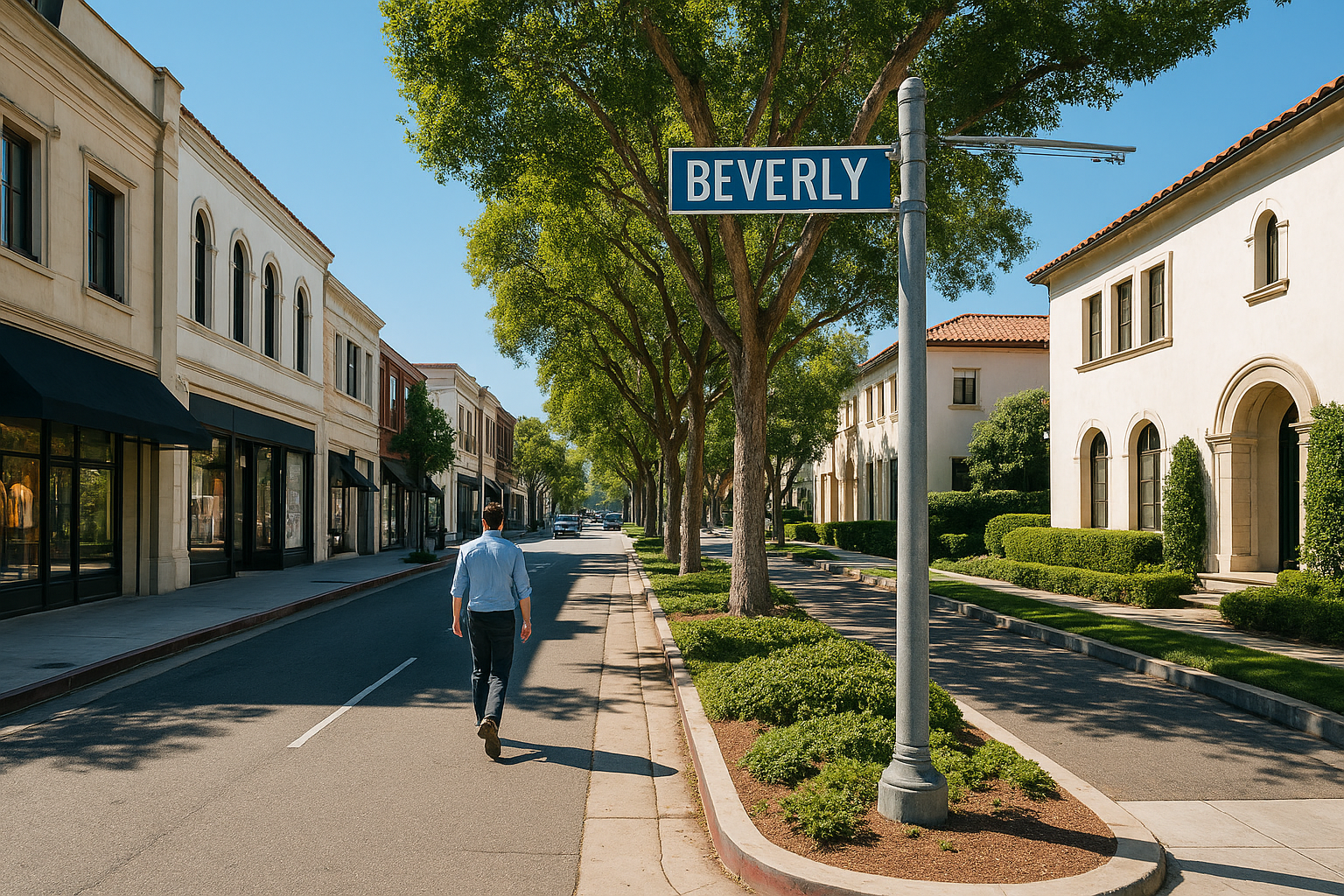
Step two blocks off Rodeo Drive and the energy shifts immediately. Canon Drive and Brighton Way offer tree-lined sidewalks, independent boutiques, and a pace that lets you actually look around. The residential streets north of Santa Monica Boulevard reveal some of the most photographed architecture in the city, from Spanish Colonial estates to mid-century modern homes tucked behind manicured hedges.
Best streets and stops for classic LA scenery
Beverly Drive runs through the heart of the shopping district and packs the widest variety of storefronts into a single walkable stretch. Add these two stops to round out your time in the area:
- Greystone Mansion and Park: free access to a historic estate with well-maintained grounds and views back toward the city
- Beverly Gardens Park: a mile-long green strip along Santa Monica Boulevard that rewards a slow, unhurried walk
Beverly Hills gives more to visitors who slow down than to those rushing between checkboxes.
Where to go for low-key people-watching and shopping
Around Wilshire Boulevard, you’ll find accessible retail and casual dining without the pressure of the high-end boutiques a few blocks north. Brighton Way offers the same walkable format with a slightly quieter crowd and easier parking.
Photo spots and etiquette for a smooth visit
Your most-requested photo stop is the Beverly Hills sign at Santa Monica Boulevard, and it stays accessible throughout the day. Residential streets are private and quiet, so stay on sidewalks and avoid blocking driveways when you stop to take shots.
3. West Hollywood
West Hollywood sits between Beverly Hills and Hollywood, but it operates on its own terms. Design showrooms, music venues, and independent restaurants pack a compact area that rewards visitors who walk rather than drive. This is one of the more walkable and socially active neighborhoods in the city, and it holds up well at any hour of the day.
The vibe: design, nightlife, and day-time strolling
Melrose Avenue and Santa Monica Boulevard define the two main axes of West Hollywood. Melrose pulls you in with vintage shops, streetwear, and casual food spots, while Santa Monica Boulevard offers a mix of outdoor dining terraces and neighborhood bars that stay active from mid-afternoon through late evening. The pace here feels noticeably more relaxed than Hollywood Boulevard.
Sunset Strip highlights worth your time
The Sunset Strip runs along Sunset Boulevard between Laurel Canyon and Doheny Drive, and it still carries weight as a music and entertainment destination. Venues like the Whisky a Go Go and the Roxy Theatre remain active, and the surrounding blocks hold a rotating mix of rooftop bars and restaurant patios worth your time.
The Strip rewards evening visits more than midday ones, especially on weekdays when crowds stay thin.
Where to eat and hang out without overplanning
Your best bet is the stretch around Robertson Boulevard and Melrose, which gives you a dense cluster of accessible restaurants without requiring reservations. Options here turn over often enough that current reviews outweigh fixed recommendations, so check recent feedback before you commit to a spot.
Safety, parking, and timing tips for visitors
West Hollywood is generally safe and well-lit, but parking fills quickly on weekend evenings. Using rideshare drop-offs along Santa Monica Boulevard is the most practical approach, and it removes the cost and frustration of searching for a structure.
4. Santa Monica and Venice Beach
Santa Monica and Venice sit side by side along the Pacific Coast, but they deliver genuinely different experiences. Treating them as a single stop in any los angeles neighborhoods guide means you can cover both in one outing while still giving each neighborhood its own time.
How Santa Monica and Venice feel different
These two neighborhoods share a coastline but little else in terms of atmosphere. Santa Monica runs on a polished, walkable grid with a maintained promenade, consistent dining options, and a pace that suits families and first-time visitors. Venice operates more loosely, with street performers, murals, and an unpredictable energy that makes it feel less curated and more alive.
What to do at the beach that is not just the pier
The Santa Monica Pier is worth a look, but your time stretches further when you move beyond it. Muscle Beach and the outdoor gym area in Venice draw real local regulars and offer a scene you won’t find anywhere else in the city. Paddle rentals and beach volleyball give you solid options with no advance planning needed.
The boardwalk, canals, and best walkable routes
Abbott Kinney Boulevard runs parallel to the coast and packs some of the best independent restaurants and shops in the area into a single walkable stretch. The Venice Canals Historic District gives you a quiet, residential counterpoint to the boardwalk energy, and most visitors walk right past the turnoff without realizing it.
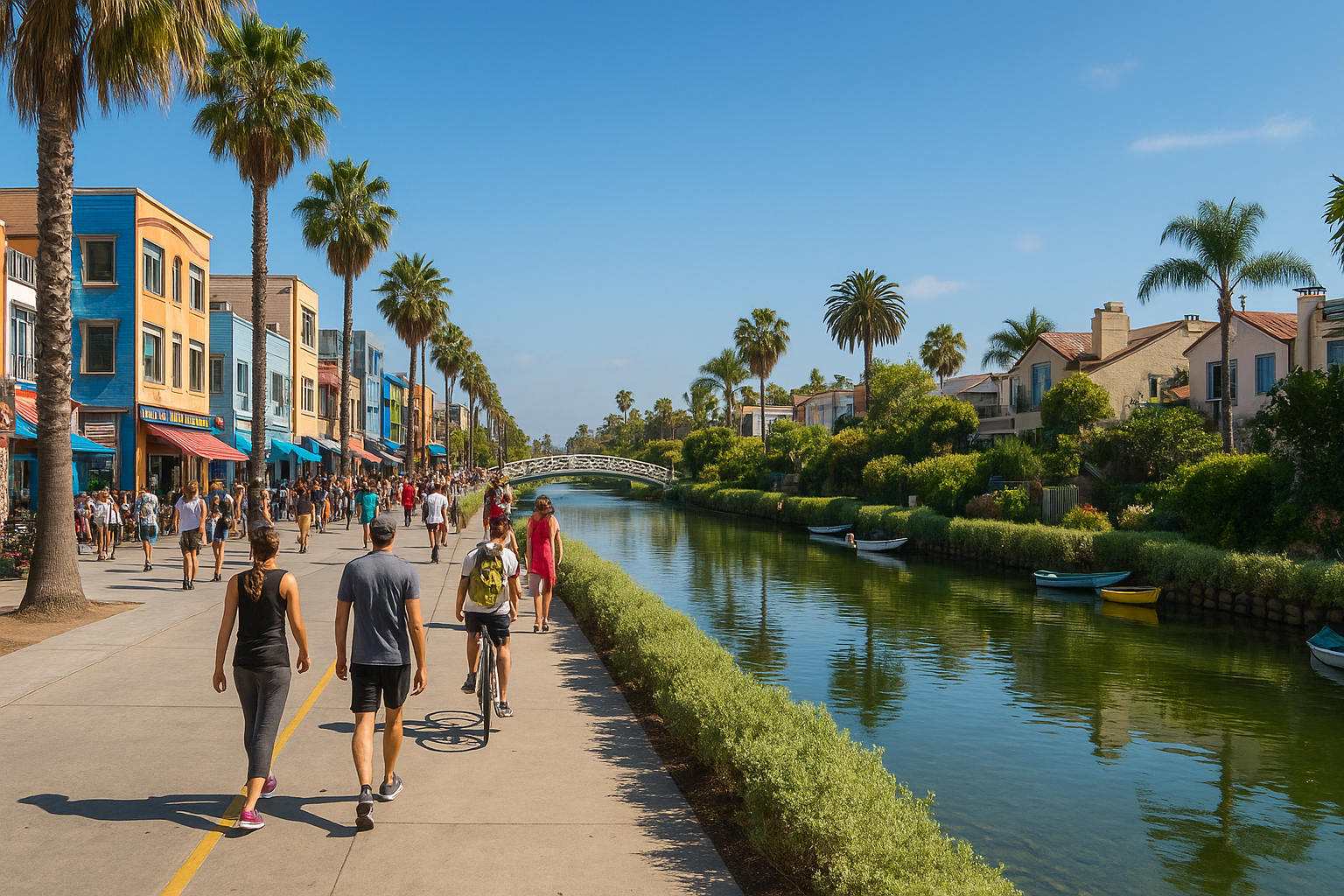
The Venice Canals sit just a few blocks from the boardwalk and most visitors never find them.
When to go for weather, light, and fewer crowds
Morning hours before 10 a.m. give you the best light for photos and the lowest foot traffic along both beaches. Afternoons in late spring and early fall hit the sweet spot for warmth without the peak summer crowds.
5. Downtown Los Angeles
Downtown Los Angeles packs more variety into a single square mile than most cities manage across an entire metro area. This part of any los angeles neighborhoods guide rewards visitors who pick a specific pocket and explore it deeply rather than trying to cover everything in one outing.
Picking the right DTLA pocket for your style
The Arts District, the Historic Core, and Little Tokyo sit within walking distance of each other but carry completely different atmospheres. Start by deciding what you actually want: galleries and converted warehouse spaces point you toward the Arts District, while older commercial buildings and ornate facades belong to the Historic Core.
- Arts District: murals, coffee shops, and studio spaces in converted industrial buildings
- Historic Core: dense concentration of early 20th-century commercial architecture along Broadway
- Little Tokyo: accessible Japanese restaurants, cultural centers, and quieter foot traffic
Arts, architecture, and iconic streetscapes
Broadway between 3rd and 9th Streets holds one of the largest concentrations of intact historic theatre facades in the country. Walking this stretch gives you a tangible sense of what downtown looked like during its early commercial peak.
The Broadway corridor rewards slow walking more than any other street in DTLA.
Food halls, markets, and easy-to-navigate eats
Grand Central Market on Hill Street operates daily and covers everything from tacos to Thai food under one roof. For a quieter option, Little Tokyo’s First Street runs a tight cluster of accessible Japanese restaurants and bakeries that work well for any meal.
Transit and navigation basics for first-time visitors
Downtown connects directly to the Metro Rail system, making it the most transit-friendly neighborhood in Los Angeles. Your best approach is to ride the Metro in and walk between districts, skipping the parking structures entirely.
6. Griffith Park
Griffith Park covers more than 4,000 acres in the hills above Los Angeles, making it one of the largest urban parks in the country. Any solid los angeles neighborhoods guide treats it as a priority stop rather than an optional add-on, because the access it offers to elevated views and open trails is hard to replicate anywhere else in the city.
Why this is LA’s best "big view" area
The park sits at an elevation that places the entire LA Basin below you on clear days, stretching from downtown skyscrapers to the Pacific coast. That combination of open space and unobstructed sightlines makes Griffith Park the single best location for understanding the full scale of Los Angeles from one vantage point.
Best viewpoints and hike options by difficulty
The trail to the Griffith Observatory covers a moderate 3-mile round trip that most visitors handle without trouble. For a shorter option, the Observatory’s outdoor observation deck delivers comparable views with minimal physical effort, making it accessible regardless of your fitness level.
The trail approach gives you a gradual reveal of the downtown skyline that the parking lot view simply does not match.
Observatory planning: timing, tickets, and crowds
Arriving before 11 a.m. on weekdays keeps you ahead of the midday crowd surge, particularly during summer months. Admission to the Observatory is free, though parking fills fast, so the DASH Observatory bus line or rideshare works better than driving yourself.
What to pair with Griffith Park to round out your day
Los Feliz Boulevard sits directly below the park and offers a walkable stretch of restaurants and coffee shops that work naturally as a follow-up to a morning hike. Pairing Griffith Park in the morning with Silver Lake in the afternoon gives you a complete, satisfying day without requiring much driving between stops.
Quick Next Step
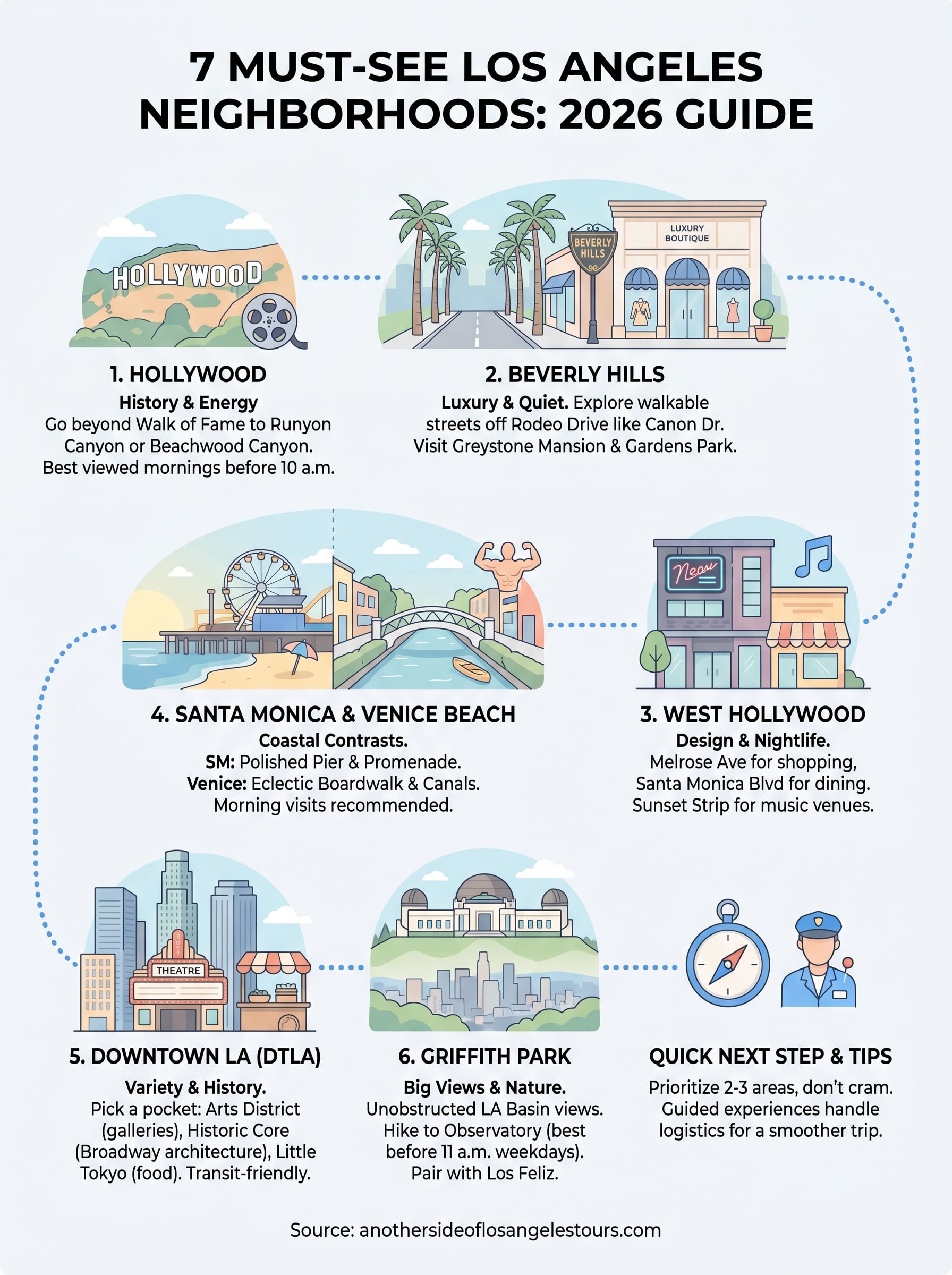
This los angeles neighborhoods guide gives you a solid foundation, but reading about a neighborhood and actually moving through it are two different things. Each area covered here rewards visitors who arrive with some context and leave with the right amount of flexibility. Cramming every neighborhood into a single trip rarely works, so use this list to prioritize two or three areas that match your interests rather than treating it as a checklist.
Your best move is to start with a guided experience that handles the logistics for you, so your energy goes toward enjoying the city instead of managing it. Another Side Tours runs expert-led options across Hollywood, Beverly Hills, Santa Monica, Venice, and beyond, with multiple formats depending on your group size and schedule. Take a look at our Los Angeles sightseeing tours and find the route that fits your trip.