Los Angeles gets a lot of attention for its beaches, celebrity culture, and movie studios, and rightfully so. But the city’s cultural side runs deep, with world-class museums, historic neighborhoods, and art institutions that rival anything you’ll find in New York or Chicago. If you’re searching for the best Los Angeles cultural attractions, you’re about to discover a city with far more substance than most visitors expect.
From iconic art collections at The Getty to the vibrant murals of the Arts District, LA’s cultural scene spans centuries of history and dozens of neighborhoods. The challenge isn’t finding things to do, it’s narrowing down the list and figuring out how to connect the dots across a city that stretches over 500 square miles.
That’s something we think about every day at Another Side Tours. Our local guides have spent years helping visitors move beyond the surface-level highlights and into the places that actually make LA feel alive. We built this list from that same perspective, 10 cultural attractions worth your time, chosen not just for their reputation but for the experiences they deliver. Whether you’re planning your first trip or your fifth, consider this your starting point for a more meaningful visit to Los Angeles.
1. Another Side Tours Private LA Culture Tour
Navigating Los Angeles cultural attractions on your own means dealing with traffic, parking, and the constant question of whether you’re actually seeing the best the city has to offer. A private guided tour with Another Side Tours solves all three problems at once, pairing you with a knowledgeable local guide, comfortable transportation, and an itinerary shaped around what you actually want to see.
Why it’s worth your time
Most visitors spend their limited time in LA bouncing between the same crowded stops without any real context. Another Side Tours guides work differently. They bring the stories behind the places, so you leave understanding why a neighborhood or landmark matters, not just that it exists. The company has completed over one million tours and holds consistent five-star ratings on platforms like TripAdvisor and Viator, which says a lot about the consistency of the experience.
A good guide doesn’t just point at buildings. They make a city feel like somewhere you actually understand.
What you’ll see and do
Your guide builds the tour around your interests, which means the itinerary can cover historic neighborhoods, art districts, cultural landmarks, and hidden gems that most visitors never find on their own. You might walk through the Arts District to take in world-class murals, explore areas tied to LA’s layered immigrant history, or stop at architectural highlights that get missed on every self-guided visit. Transportation is handled throughout, so there’s no stress about parking, directions, or losing time between stops.
Who it’s best for
This tour works well for first-time visitors who want to cover serious ground without wasting time, but it’s just as valuable for repeat visitors who feel like they’ve only ever scratched the surface. Families, couples, and small groups all benefit from the private format, since the itinerary adjusts to your pace and preferences rather than locking you into a fixed group schedule.
Pricing and booking basics
Tours start at $75 per person for shorter experiences and scale based on tour length, group size, and transportation type. Group discounts apply for parties of three or more. You can book directly through the Another Side Tours website, where options range from 90-minute outings to full seven-hour explorations of the city.
2. The Broad
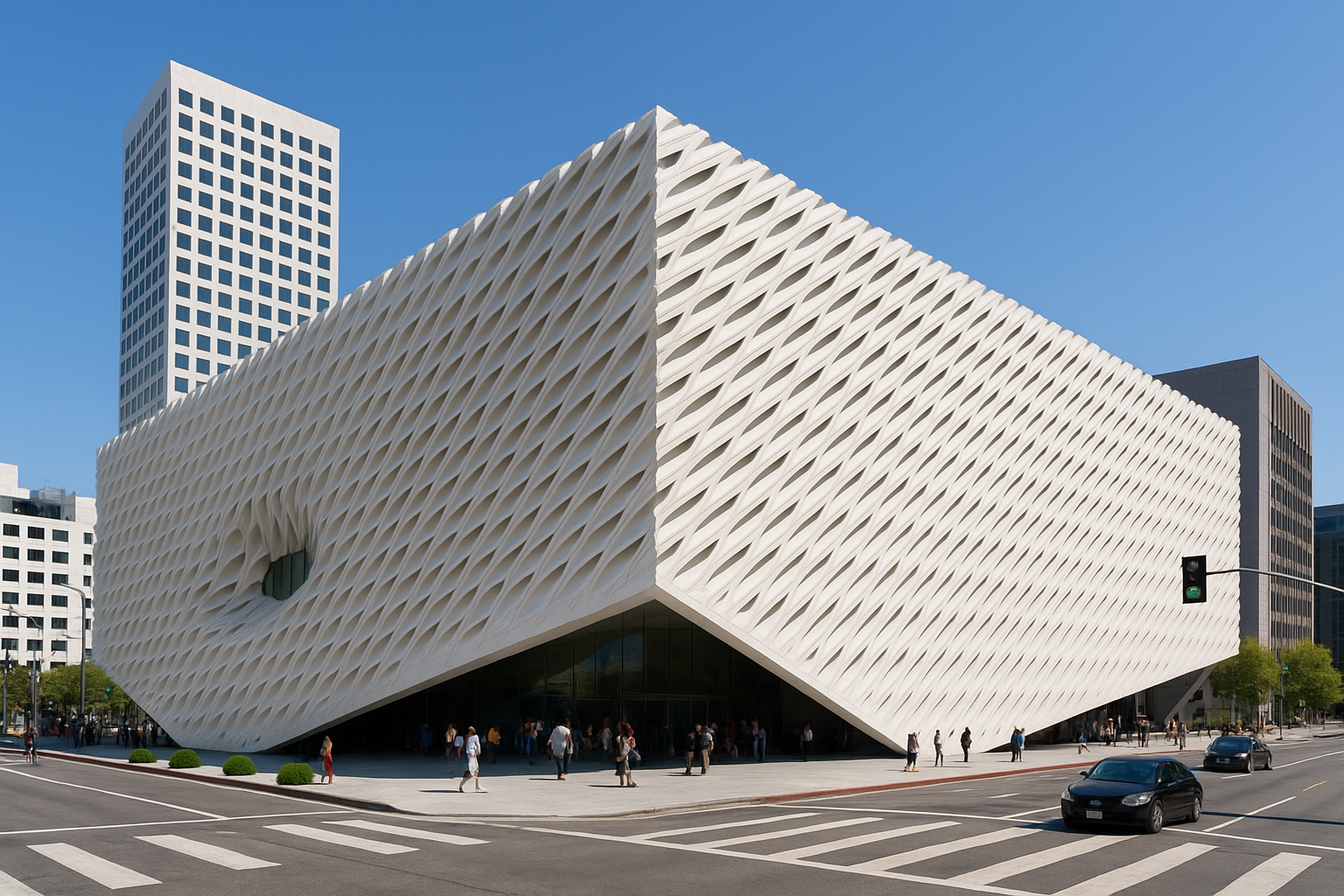
The Broad opened in Downtown LA’s Grand Avenue Cultural Corridor in 2015 and quickly became one of the standout los angeles cultural attractions for contemporary art. Its striking honeycomb facade and free general admission set it apart from almost every other major museum in the city.
Why it’s worth your time
The museum houses Eli and Edythe Broad’s personal collection of over 2,000 works from roughly 200 contemporary artists. The building itself pulls you in before you even step inside, with its latticed "veil" exterior wrapping around a central vault where the permanent collection is stored.
Few museums match The Broad’s balance of architectural ambition and genuinely accessible programming.
What you’ll see and do
Inside, you’ll find works by Jeff Koons, Jean-Michel Basquiat, and Cindy Sherman, among many other major contemporary figures. Yayoi Kusama’s Infinity Mirrored Room draws long lines, so securing a timed entry ticket for that specific piece before your visit is worth doing. The ground-floor lobby leads up a wide staircase to the main gallery level, which flows naturally between rooms without feeling crowded.
Who it’s best for
The Broad suits visitors who want a focused contemporary art experience without the scale of a massive institution. Its smaller footprint makes it easy to cover thoroughly in two to three hours, making it a strong option for travelers with tight schedules who still want serious cultural depth.
Tickets and reservations
General admission is free, though special exhibitions carry a fee. You can book tickets through The Broad’s official website. Key details to note:
- Open Tuesday through Sunday
- Extended hours available Thursdays and Fridays
- Timed entry required for the Kusama room
3. Walt Disney Concert Hall
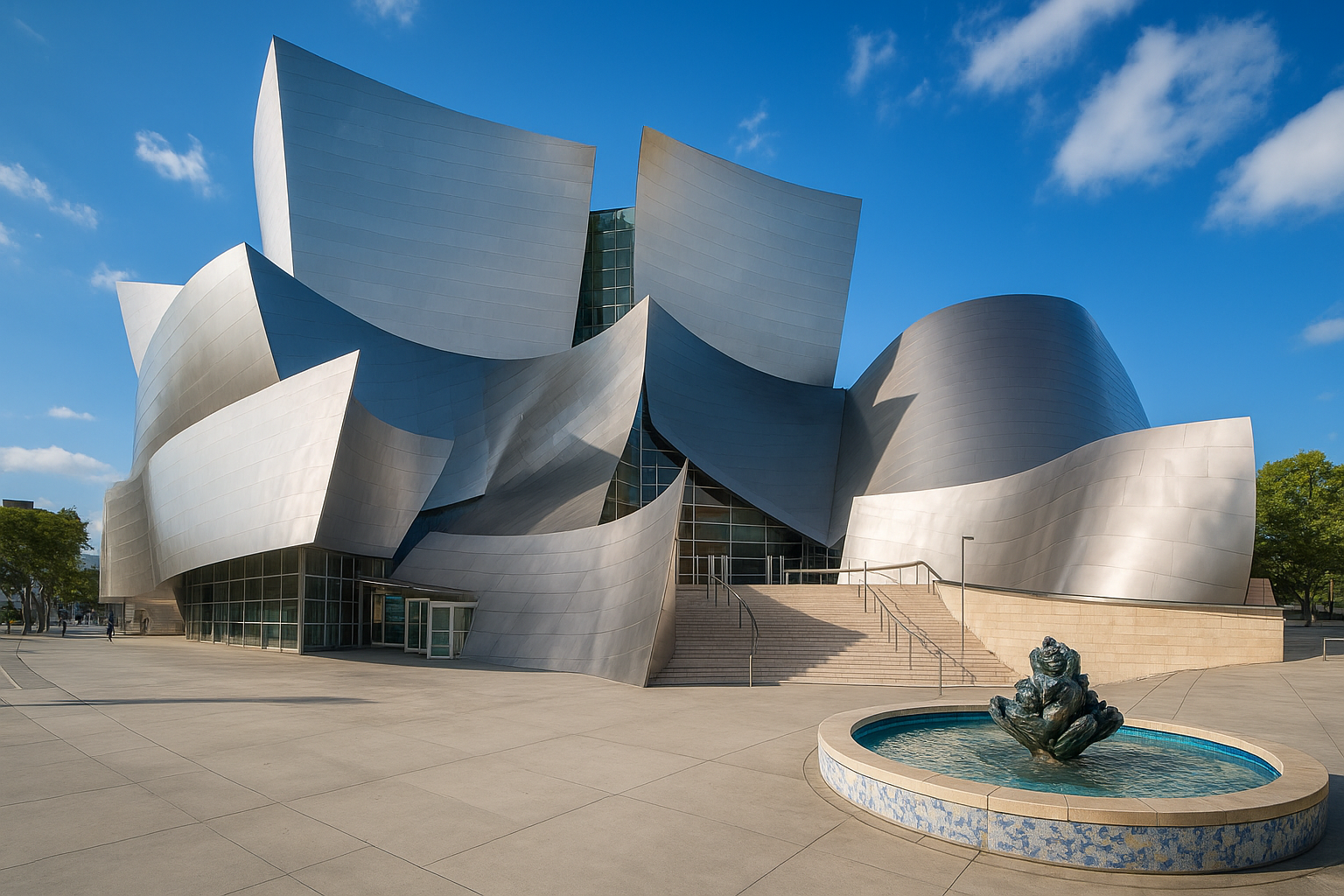
Walt Disney Concert Hall sits at the heart of Downtown LA’s Grand Avenue and ranks among the most recognized los angeles cultural attractions for both architecture lovers and music fans. Frank Gehry’s stainless steel curves make the building unmistakable from blocks away, and what happens inside matches the drama of the exterior.
Why it’s worth your time
The hall serves as the home of the Los Angeles Philharmonic, one of the premier orchestras in the world. Beyond the performances, the building itself carries serious architectural weight. Gehry spent years refining the design before construction finished in 2003, and the result is a structure that changes the feel of the entire block around it.
Few buildings in Los Angeles do as much to announce the city’s ambitions as a cultural destination.
What you’ll see and do
You can attend a full LA Philharmonic performance or take a free self-guided audio tour of the building during non-performance hours. The interior gardens, including the "A Rose for Lili" fountain made from broken Delft china tiles, are worth seeing even if you skip the main hall. The acoustics inside the main auditorium are considered among the best in the country, so catching a live performance justly rewards the visit.
Who it’s best for
This stop works well for visitors who appreciate architecture, classical music, or both. It also fits anyone looking to understand LA’s investment in the arts beyond Hollywood. The self-guided tour makes it accessible even for tight itineraries.
Tickets and reservations
Performance tickets vary by seat location and program, starting around $25. The self-guided audio tour is free during specific open hours. Book performance tickets through the LA Philharmonic’s official website and check the calendar in advance since popular programs sell out weeks ahead.
4. Los Angeles County Museum of Art (LACMA)
LACMA is the largest art museum in the western United States, and it earns that title. Spread across multiple buildings on Wilshire Boulevard’s Museum Row, it covers everything from ancient artifacts to cutting-edge installations, making it one of the most comprehensive los angeles cultural attractions you can visit in a single afternoon.
Why it’s worth your time
The collection spans over 142,000 objects from virtually every corner of the world and every major period of art history. LACMA also continues to grow, with a new Peter Zumthor-designed building currently under development that will replace several of the older pavilions and reshape the campus entirely.
No other single institution in LA puts this breadth of art under one roof.
What you’ll see and do
Walking through LACMA, you’ll move from ancient Egyptian and Islamic art to modern photography and film. The iconic "Urban Light" installation by Chris Burden, featuring 202 restored cast-iron street lamps, greets you at the Wilshire entrance and has become one of the most photographed spots in the city. Inside, the collection of Japanese art and pre-Columbian works stands among the strongest in the country.
Who it’s best for
LACMA suits visitors who want wide-ranging cultural depth in one stop. It works equally well for families, solo travelers, and anyone with specific art historical interests, since the scale of the collection means almost every visitor finds something that speaks directly to them.
Tickets and reservations
Adult admission is $25, with discounts for students and seniors. California residents receive reduced pricing on select days. Check the LACMA website for current hours, as gallery access and building schedules can shift around ongoing construction.
5. Academy Museum of Motion Pictures
The Academy Museum of Motion Pictures opened in 2021 in a carefully restored 1939 Wilshire Boulevard building, right next to LACMA. For a city whose identity is inseparable from film, it took a long time for LA to get a museum dedicated entirely to the art and science of moviemaking, but the wait produced something genuinely impressive.
Why it’s worth your time
This is one of the newer los angeles cultural attractions, and it fills a gap no other institution has addressed. The museum explores filmmaking as a craft, a business, and a cultural force, bringing depth and context to an industry that most visitors only know from the outside.
Few places in LA connect you this directly to the mechanics and history behind the films that have shaped global culture.
What you’ll see and do
Inside, you’ll find original costumes, props, and production artifacts from iconic films alongside interactive exhibits that walk you through cinematography, sound design, and special effects. The Oscars Experience gallery lets you hold a replica Academy Award, and the Spherical Theater hosts screenings in a stunning 1,000-seat dome.
Who it’s best for
This museum works for film fans of any age, from families with kids who love animated movies to cinephiles interested in production history and industry context. It also suits travelers who want to engage with Hollywood culture beyond just driving past studio lots.
Tickets and reservations
Adult tickets run $25, with discounts for students, seniors, and LA County residents. Book in advance through the Academy Museum’s official website since weekend slots fill up quickly.
6. La Brea Tar Pits and Museum
The La Brea Tar Pits sit right in the middle of Wilshire Boulevard’s Museum Row, which makes them one of the most surprising los angeles cultural attractions you can stumble into. Few places in any major city let you watch active paleontological excavation while standing on a sidewalk in a busy urban neighborhood.
Why it’s worth your time
This site is genuinely unique. The tar pits have been trapping and preserving animals since the last Ice Age, producing one of the richest collections of Pleistocene-era fossils ever found in North America. Scientists still excavate here today, and the ongoing research gives the museum a living quality that most natural history institutions can’t match.
You won’t find another place in the world where you can watch working paleontologists dig up Ice Age fossils in the middle of a city.
What you’ll see and do
Inside the museum, you’ll encounter thousands of fossils from mammoths, saber-toothed cats, dire wolves, and giant ground sloths. The outdoor lake pit lets you observe the bubbling asphalt up close, and Project 23, an ongoing excavation effort, displays fossils being actively cleaned and catalogued behind glass walls.
Who it’s best for
Families with curious kids get a lot out of this stop, but adults with any interest in natural history or geology will find the fossil collections and excavation process genuinely absorbing. It pairs well with a LACMA visit since the two sites sit directly next to each other.
Tickets and reservations
Adult admission is $20, with reduced pricing for children and students. Check the La Brea Tar Pits official site for current hours before your visit.
7. Getty Center
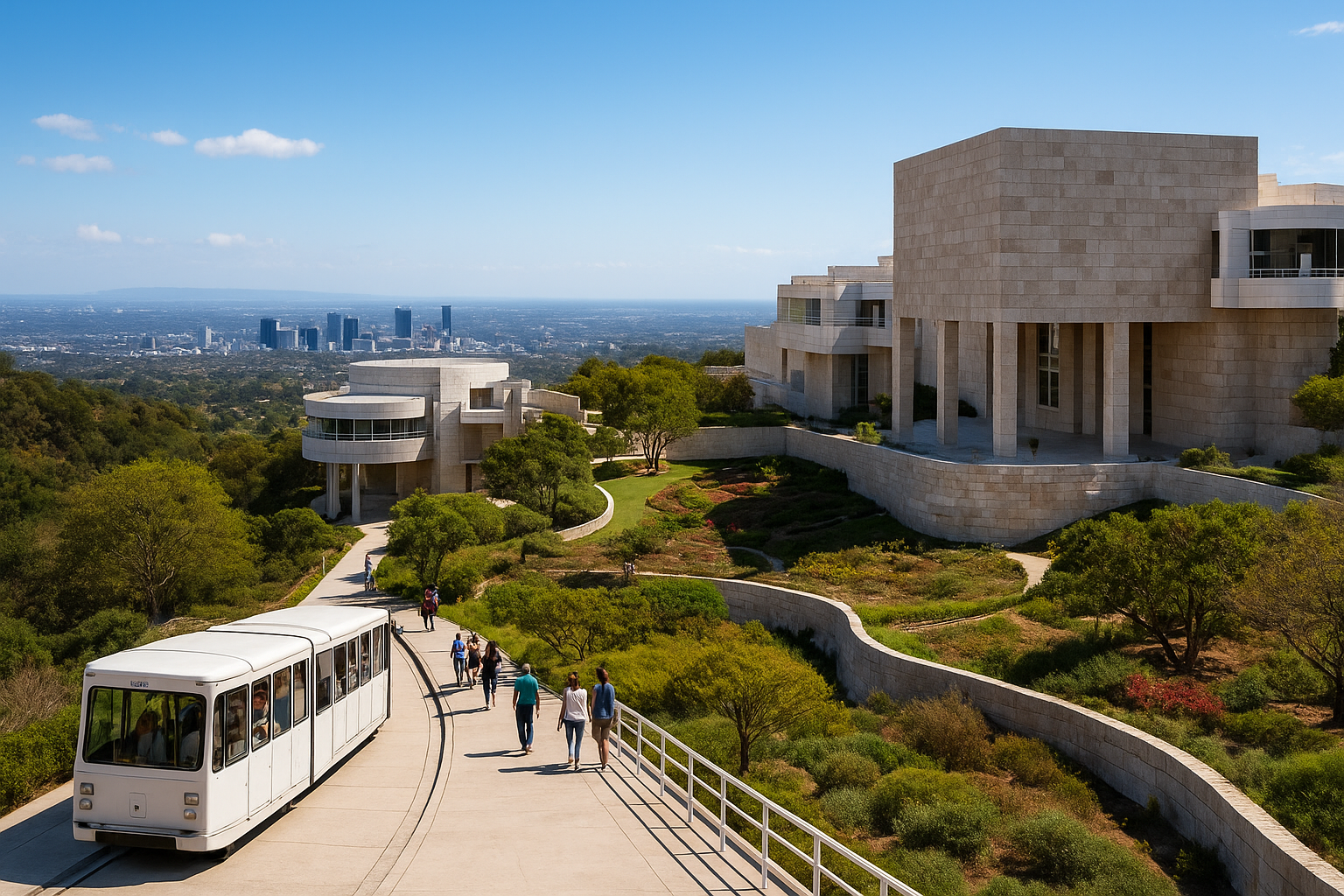
The Getty Center sits high above Brentwood on a hilltop off the 405 freeway, offering one of the most dramatic museum arrivals in the country. A dedicated tram carries you up from the parking structure to the campus, and the views over the city begin before you even reach the entrance.
Why it’s worth your time
Perched above the city, the Getty ranks among the most rewarding los angeles cultural attractions you can visit without spending anything on admission. Beyond the art, the Richard Meier-designed campus rewards the trip on its own terms, with travertine courtyards, terraced gardens, and sweeping sightlines stretching from the mountains to the Pacific.
Few museums anywhere combine world-class art with surroundings this genuinely spectacular.
What you’ll see and do
Inside, the permanent collection covers European paintings, drawings, sculptures, and decorative arts from the Middle Ages through the 19th century. You’ll find works by Rembrandt, Monet, and Van Gogh, alongside an exceptional collection of illuminated manuscripts. The Central Garden, designed by artist Robert Irwin, is worth spending time in separately from the galleries.
Who it’s best for
The Getty works well for art history enthusiasts and architecture lovers, but the gardens, city views, and free admission make it a strong choice for almost any visitor. Couples and families both find plenty across the open, walkable campus format that feels more like a destination than a traditional museum visit.
Tickets and reservations
Admission is free, though parking costs $20 per vehicle. The museum opens Tuesday through Sunday. Book a parking reservation through the Getty’s official website on busy weekends to avoid long entry delays at the gate.
8. Getty Villa
The Getty Villa sits in Pacific Palisades, tucked into a canyon just above the Pacific Coast Highway. While the Getty Center focuses on European art, the Villa takes a completely different direction, housing one of the finest collections of ancient Greek, Roman, and Etruscan antiquities anywhere in the world.
Why it’s worth your time
The Villa stands apart from most los angeles cultural attractions because its setting is as memorable as its collection. The museum recreates a first-century Roman country house, and the architecture isn’t just decorative. Every courtyard, garden, and gallery reinforces the ancient world you’re exploring inside.
No other museum in LA wraps ancient art in surroundings that genuinely reflect the culture that produced it.
What you’ll see and do
Inside, the collection covers over 44,000 objects spanning more than 6,000 years of history. You’ll find bronze sculptures, painted ceramics, and carved marble works displayed across thematic galleries, with outdoor peristyle and herb gardens giving you space to slow down between exhibits.
Who it’s best for
The Villa suits history enthusiasts and travelers looking for something well outside the Hollywood-and-beaches circuit. It also works well for families with older children who have studied classical antiquity and can connect what they see to material they already know.
Tickets and reservations
Admission is free, but advance tickets are required for all visitors. Keep these logistics in mind before you go:
- Parking costs $20 per vehicle
- Open Wednesday through Monday
- Book through the Getty’s official website
- Weekend slots fill up quickly, so reserve early
9. El Pueblo de Los Angeles and Olvera Street
El Pueblo de Los Angeles sits at the northern edge of Downtown, occupying the actual ground where the city was founded in 1781. This 44-acre historic district holds more than two dozen historic buildings and represents one of the most authentically layered los angeles cultural attractions you’ll find anywhere in the city.
Why it’s worth your time
Most visitors rush past this part of Downtown without realizing they’re standing at the original heart of the city. El Pueblo preserves the story of LA’s founding settlers, its Spanish and Mexican heritage, and the working-class immigrant communities that shaped the neighborhoods around it.
Nowhere else in Los Angeles can you stand on land that’s been continuously occupied and commercially active since the city’s first days.
What you’ll see and do
Olvera Street, the pedestrian marketplace running through the district, lines both sides with vendors selling handcrafted goods, traditional food, and cultural artifacts. The Avila Adobe, built in 1818, is the oldest surviving building in Los Angeles and open for self-guided tours. The surrounding plaza hosts cultural events and markets throughout the year.
Who it’s best for
This stop suits visitors who want historical and cultural context beyond Hollywood and the entertainment industry. It works well for families, history-minded travelers, and anyone interested in Mexican and Latin American culture as a living part of LA’s identity.
Costs, hours, and access
Olvera Street and the plaza are free to explore. The Avila Adobe is free to enter during open hours. The district sits walking distance from Union Station, making it one of the easiest spots in the city to reach without a car.
10. California African American Museum
The California African American Museum (CAAM) sits in Exposition Park, steps from the Natural History Museum and the LA Memorial Coliseum. It stands as one of the most important los angeles cultural attractions for visitors who want to engage with the art, history, and culture of African Americans in California and across the country.
Why it’s worth your time
CAAM fills a gap that most major art institutions leave open. The museum focuses specifically on African American artistic and cultural contributions, giving those stories the dedicated space and depth they deserve rather than folding them into broader collections where they can get lost.
Few institutions in LA do more to connect the city’s present population to its full historical and cultural roots.
What you’ll see and do
Inside, you’ll find a mix of rotating contemporary exhibitions and permanent historical collections that span visual art, photography, and cultural artifacts. The museum regularly features work by living California artists, which keeps the programming current and directly tied to the community surrounding it. The outdoor courtyard provides a comfortable space to move between galleries without feeling rushed.
Who it’s best for
CAAM works well for visitors with a genuine interest in African American history, contemporary art, or California’s social history. It also suits travelers who want a museum experience that feels local and community-rooted rather than purely institutional.
Costs, hours, and access
Admission is free, making it one of the most accessible stops on this list. The museum is open Tuesday through Sunday. Exposition Park is easily reachable by Metro, and parking is available on-site for a fee.
Quick Recap and Next Steps
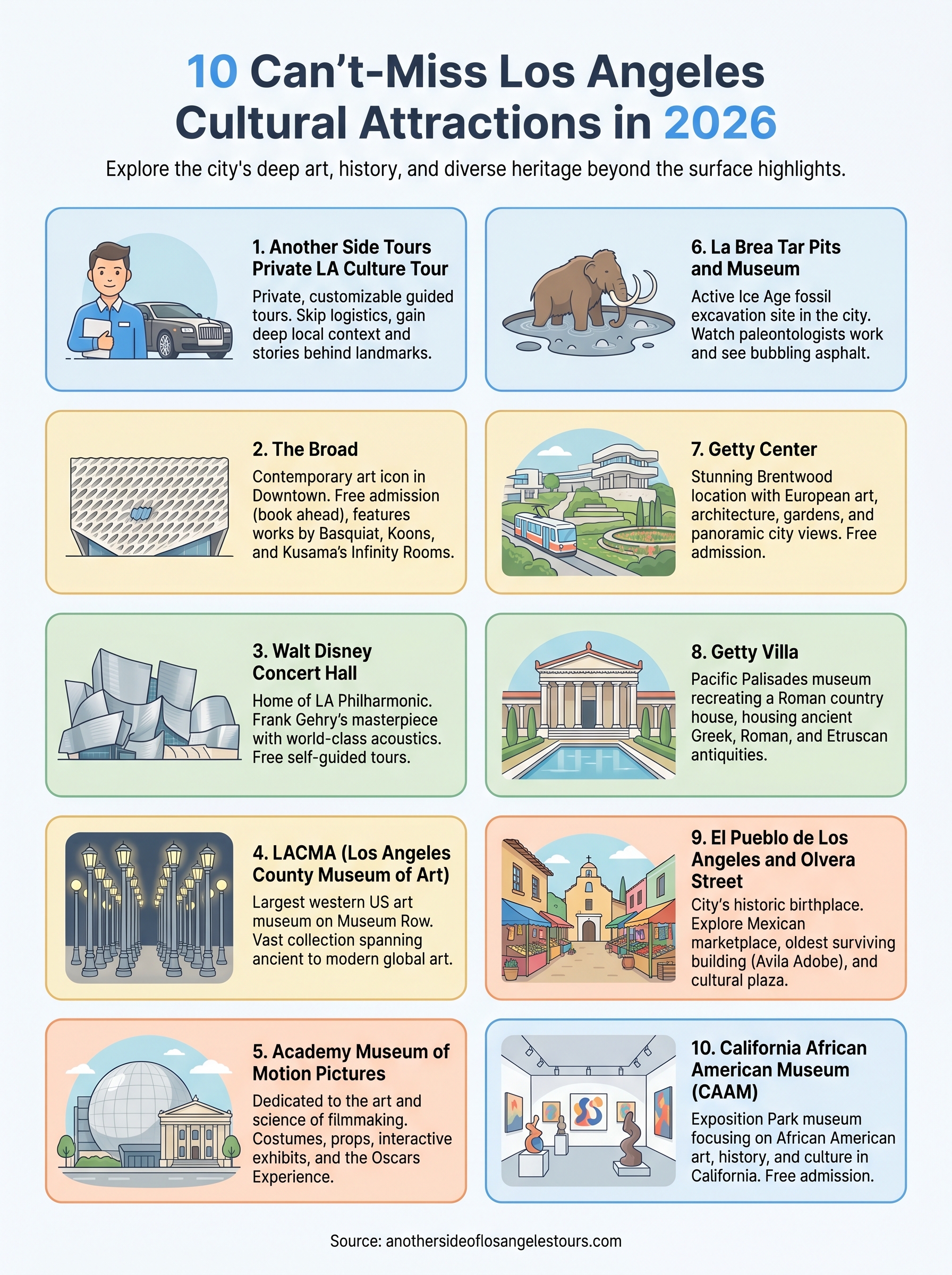
Los Angeles delivers far more cultural depth than most visitors expect, and this list only scratches the surface. From the ancient fossils at La Brea to the contemporary works at The Broad, these ten los angeles cultural attractions cover centuries of history, multiple artistic traditions, and neighborhoods that each tell a different part of the city’s story. You now have a solid foundation for planning a visit that goes well beyond the standard tourist circuit.
The hardest part for most travelers isn’t finding great places to visit. It’s connecting them into a coherent experience across a city this large. That’s exactly where a guided tour makes the biggest difference. If you want to cover more ground, absorb more context, and skip the logistics headaches entirely, book a private Los Angeles tour with one of our local expert guides and let us handle the rest.