Koreatown doesn’t look like much from the freeway. Once you’re on the ground, though, it’s one of the densest, most alive neighborhoods in Los Angeles, packed into just a few square miles. If you’re searching for things to do in Koreatown Los Angeles, you’re probably staring down a map full of unfamiliar names and wondering where to actually start. That’s the problem this guide solves.
This isn’t a list of tourist traps. You’ll find 24-hour restaurants, karaoke rooms with private booths, Korean spas that stay open past midnight, and murals and shops that rarely make it onto a standard LA itinerary. Whether you’ve got a free afternoon or a full night planned, we’ll point you toward spots that actually reflect the neighborhood’s energy, not a watered-down version of it.
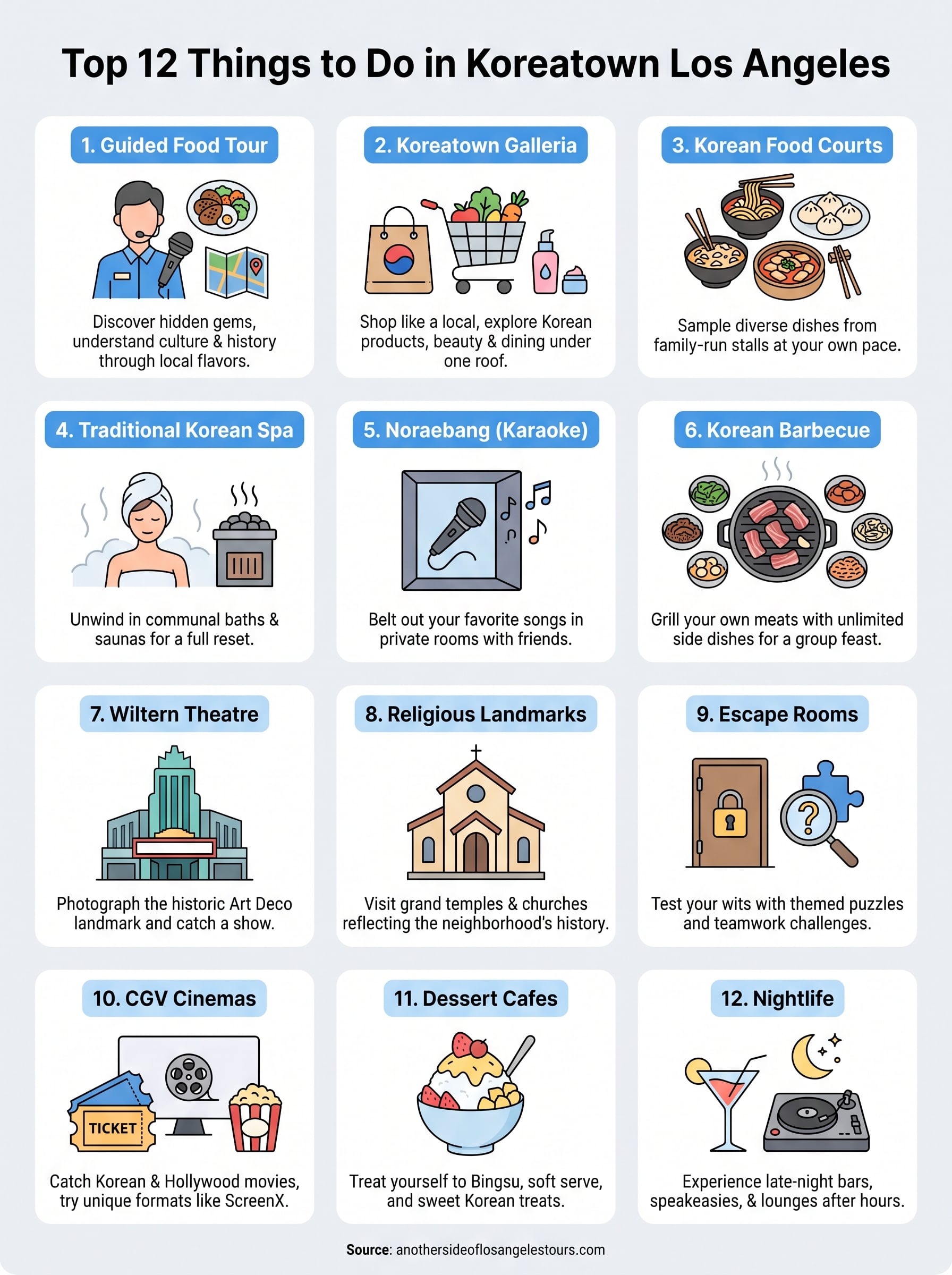
Below, you’ll find 12 specific things to do, organized so you can build a plan around your appetite, your energy level, and how much time you’ve got. And if you’d rather skip the guesswork entirely, our guides at Another Side of Los Angeles Tours know Koreatown’s hidden gems well and can walk you through them in person, with the kind of context and stories a map just can’t give you.
1. Take a guided tour of Koreatown’s food and culture
Koreatown rewards people who know where to look, and that’s exactly why a guided food tour is the smartest first move if this is your first visit. The neighborhood packs in more restaurants per block than almost anywhere else in Los Angeles, but a lot of the best spots don’t have English signage, don’t take reservations, and don’t show up prominently in a search. A local guide cuts through that noise. Instead of wandering past shopping plazas guessing what’s good, you walk in with someone who already knows the owners, the menu, and the story behind the dish you’re eating.
What to expect
Most guided tours through Koreatown run two to three hours and mix walking with stops at multiple restaurants, markets, and sometimes a bakery or dessert shop along the way. You’ll typically taste four to six dishes, ranging from banchan and street snacks to a proper sit-down meal, while your guide fills in context on Korean immigration history, the neighborhood’s growth since the 1970s, and how food culture here differs from what you’d find in Seoul. This kind of pacing matters because Koreatown food is dense with variety, and it’s easy to fill up on the wrong thing before you get to the highlight.
A good guide doesn’t just feed you, they explain why the dish matters.
Top spots to try
A well-built tour route usually threads together a handful of neighborhood anchors rather than one big meal. Here’s what a strong itinerary tends to cover:
- A traditional Korean market for banchan, rice cakes, and packaged snacks you won’t recognize
- A family-run restaurant serving something specific, like sundubu jjigae or dolsot bibimbap
- A street food stall or food truck for quick bites like tteokbokki or hotteok
- A dessert stop, often shaved ice or a Korean bakery, to close things out
At Another Side of Los Angeles Tours, our guides build routes around these same categories, but tailor the stops based on what’s freshest that week and which spots are less crowded that day.
Good to know
Book ahead, especially on weekends, since the better small-group and private food tours fill up fast during peak tourist months. Expect to walk a fair amount between stops, so wear comfortable shoes and skip the heavy breakfast beforehand. Most tours accommodate common dietary restrictions if you flag them when booking, though very restrictive diets can limit how many stops make sense for you. Pricing for guided Koreatown food experiences generally lands in the $75 to $150 range per person, depending on group size and how many tastings are included. If you’re traveling with a larger group, ask about private options, since group discounts often kick in for parties of three or more.
2. Shop and snack at Koreatown Galleria
Koreatown Galleria sits on Western Avenue and works as a one-stop introduction to the neighborhood’s retail side. It’s not glamorous like a Beverly Hills mall, but that’s the point: this is where locals actually shop, and you get a real cross-section of Korean grocery culture, beauty products, and casual dining under one roof.
What to expect
Inside, you’ll find a massive Korean grocery store on the lower level stocked with everything from fresh seafood to imported snacks you won’t find at a typical American supermarket. Upstairs, small shops sell K-beauty products, phone accessories, and clothing at prices well below what you’d pay at a standalone boutique. The building itself is unassuming from the outside, but the density of things packed inside makes it worth a slow walk-through rather than a quick pass.
Koreatown Galleria is where you shop like a local, not a tourist.
Top spots to try
A few sections are worth prioritizing if your time is limited:
- The grocery floor for banchan, fresh produce, and packaged Korean snacks to take home
- Beauty shops carrying sheet masks, skincare lines, and cosmetics rarely stocked in mainstream US stores
- The food court area, where quick bites let you snack between shopping stops
Good to know
Parking is available on-site, though it fills up fast on weekends, so arrive early if you’re driving. The mall stays open into the evening, making it a solid stop after dinner elsewhere in Koreatown Los Angeles. Cash and card are both accepted at most stalls, but smaller vendors sometimes prefer cash, so keep some on hand. Plan for 45 minutes to an hour if you’re just browsing, longer if you’re serious about grocery shopping.
3. Sample everything at a Korean food court
Food courts in Koreatown work differently than the ones you grew up with at the mall. Instead of a ring of fast-food chains, you get a cluster of small, family-run stalls, each specializing in one or two dishes they’ve perfected over years. Korean food courts let you sample widely without committing to a full sit-down meal at every stop, which makes them one of the best low-pressure ways to explore Koreatown’s food scene on your own schedule.
What to expect
Walk into a busy food court around lunchtime and you’ll see a mix of office workers, families, and students lined up at different stalls, each ordering something different. Shared seating means you can grab dumplings from one counter and japchae from another, then eat them together at the same table. Portions run smaller and cheaper than a restaurant plate, so trying three or four dishes in one visit is normal, not excessive.
A food court lets you build your own tasting menu, one stall at a time.
Top spots to try
A handful of stalls tend to draw repeat crowds:
- Handmade dumpling counters, often boiled or steamed to order
- Noodle stalls serving japchae or knife-cut noodles
- Grilled meat skewers, a quick, cheap protein hit
- Rice bowl stations with rotating banchan sides
Good to know
Bring cash, since some smaller stalls still don’t take cards or charge a minimum for card payments. Expect to eat standing or at shared tables during peak hours, since seating turns over fast. Prices generally run $5 to $12 per dish, so a full sampling session for one person rarely exceeds $25. Weekday lunch hours tend to be less crowded than evenings or weekends if you want more elbow room.
4. Unwind at a traditional Korean spa
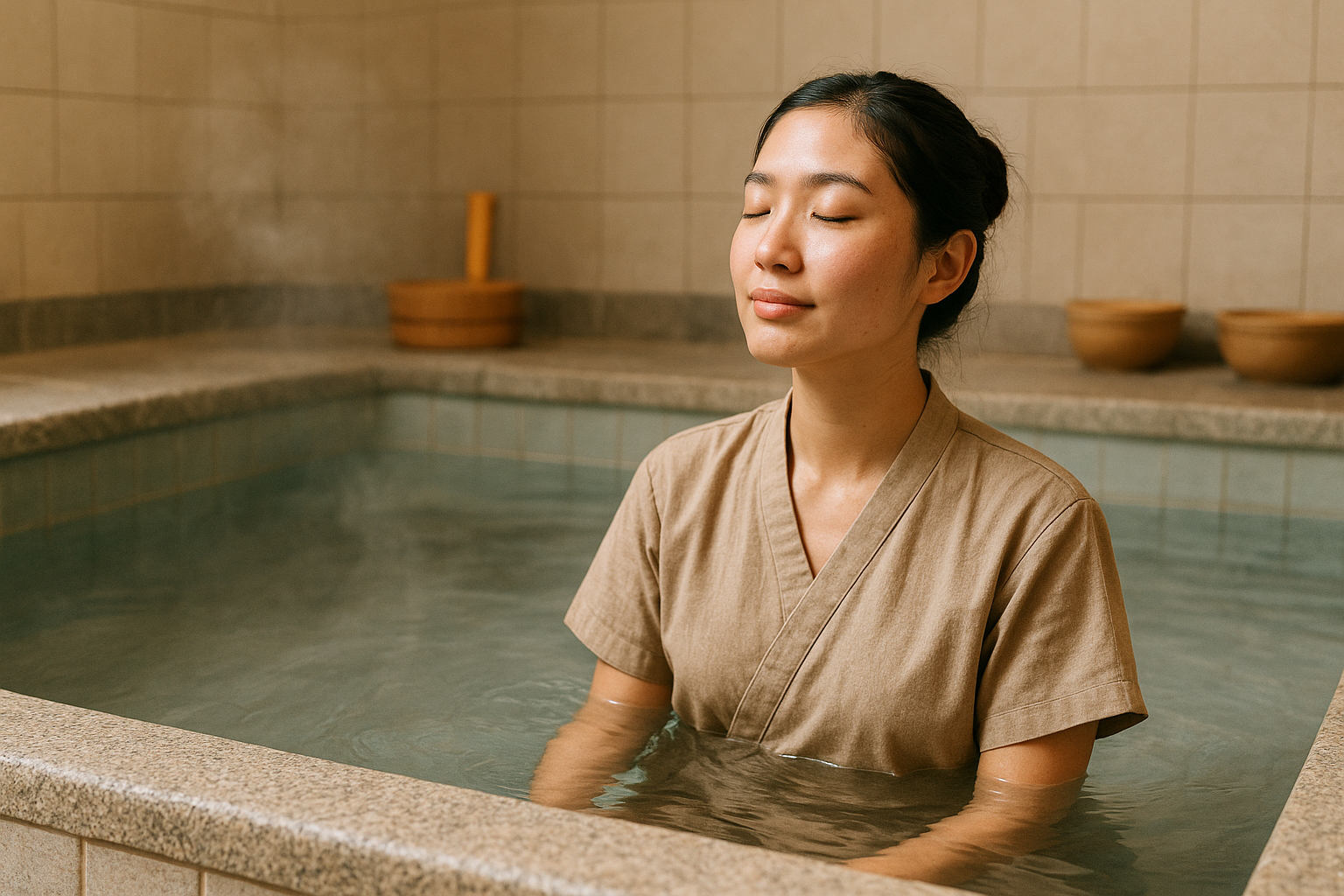
After a few hours of walking and eating, a Korean spa is the reset button Koreatown practically demands. These jjimjilbang go far beyond a standard American spa day. You’re getting a full facility built around communal bathing, dry saunas, and hours of lounging, often for less than the cost of a single massage elsewhere in LA. Many stay open around the clock, which makes them one of the few genuinely useful things to do in Koreatown Los Angeles late at night or early in the morning when everything else is closed.
What to expect
You’ll check in, get a locker key and a set of loose spa clothes, then move between gender-separated bathing floors and co-ed common areas with heated rooms set to different temperatures. Some rooms sit near 200 degrees, others stay cool, and the rotation between them is part of the ritual. Most spas also offer paid add-ons like body scrubs and massages, which regulars consider essential rather than optional.
A Korean spa isn’t a quick stop, it’s a half-day commitment that resets you completely.
Top spots to try
Look for a facility with these features when you’re comparing options:
- Multiple heated rooms at varying temperatures, sometimes themed around salt, clay, or charcoal
- A co-ed common lounge for relaxing in spa clothes between sauna sessions
- An on-site restaurant serving light Korean dishes so you never have to leave
- 24-hour access, useful if you’re dealing with jet lag or an odd travel schedule
Good to know
Entry typically runs $20 to $35 for basic access, with scrubs and massages priced separately, often $60 to $120. Bathing areas require full nudity and are strictly separated by gender, so know that going in if you’re spa-shy. Bring your own toiletries if you’re picky about products, though most spas provide basics. Plan for at least two to three hours to make the entry fee worthwhile.
5. Belt out your favorite songs at a noraebang
Koreatown practically invented the American version of karaoke night, and a noraebang (literally "singing room") is nothing like the bar karaoke you might be used to. Instead of waiting your turn to sing in front of strangers, you rent a private room with your own group, your own song list, and nobody judging you but each other. It’s one of the best late-night things to do in Koreatown Los Angeles when the restaurants have closed but nobody’s ready to call it a night.
What to expect
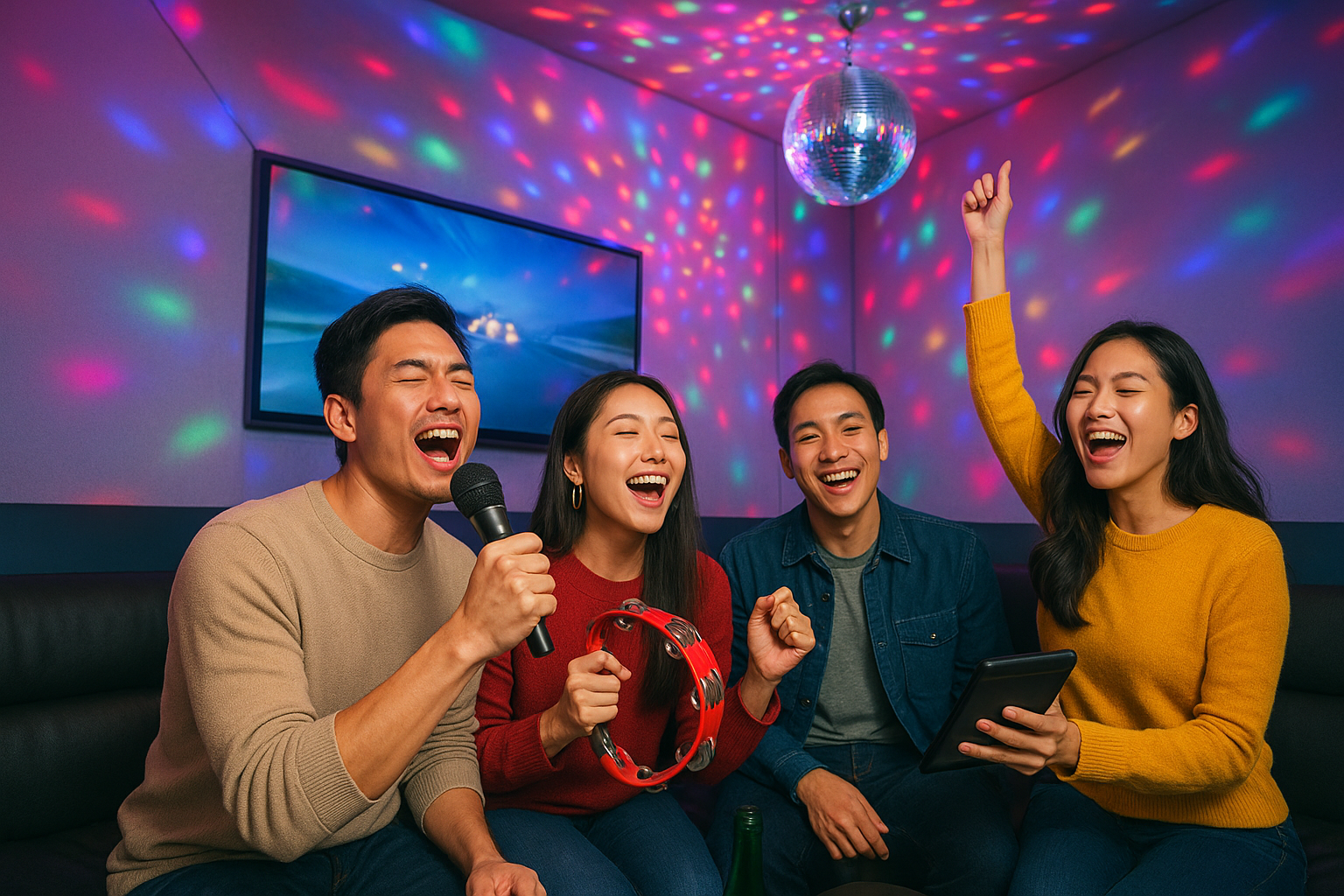
You’ll book a room by the hour, usually sized for anywhere from two to fifteen people, complete with a couch, a big screen, tambourines, and a touchscreen tablet loaded with thousands of songs in Korean, English, and often Spanish or Japanese. Lighting shifts with the music, and most rooms have a disco ball because subtlety isn’t the point here. Drinks and snacks are typically ordered separately and delivered right to your room, so you rarely need to step outside once you’re settled in.
A noraebang turns karaoke from a spectator sport into a private party.
Top spots to try
When you’re picking a noraebang, look for these features:
- Room sizes that fit your group, since pricing usually scales with capacity
- A large, current song catalog that includes recent English-language hits, not just older tracks
- Drink and snack service, so you don’t have to leave mid-session
- Late-night or 24-hour hours, common throughout the neighborhood
Good to know
Expect to pay $25 to $50 per hour for a room, split easily across your group, with higher rates on weekend nights. Many spots require a minimum spend on food or drinks instead of a flat cover, so ask before you book. Reservations help on Friday and Saturday nights, though walk-ins are usually fine earlier in the evening. Bring cash as backup, since some smaller noraebangs still run card minimums.
6. Feast on Korean barbecue
No list of things to do in Koreatown Los Angeles is complete without an actual Korean barbecue dinner, the kind where you’re the one working the grill. This isn’t a passive meal. You order raw marinated meats, cook them yourself over a tabletop grill, and wrap the results in lettuce with garlic, ssamjang, and a pile of banchan you didn’t even order but somehow appeared anyway.
What to expect
You’ll sit around a table with a built-in grill, either gas or charcoal, and a server will handle the actual cooking for you at fancier spots or hand you the tongs and let you fend for yourself at more casual ones. Unlimited banchan refills are standard, and most restaurants offer all-you-can-eat packages alongside standard menus priced by cut. Expect smoke, noise, and a table that fills up fast with plates, since a full spread rarely leaves much open space.
Korean barbecue is a group sport, and the best version involves at least four people and zero rushing.
Top spots to try
A solid Korean barbecue outing usually includes a mix of these cuts and sides:
- Galbi (marinated short rib), the classic starting point for first-timers
- Samgyeopsal (pork belly), simple, fatty, and hard to mess up
- Soju or makgeolli, ordered by the bottle and shared around the table
- A cold noodle dish, like naengmyeon, to close out the meal
Good to know
All-you-can-eat packages typically run $25 to $40 per person, while à la carte ordering can push higher depending on cut and quality. Reservations matter on weekend nights, since the most popular spots run 45-minute waits without one. Groups of four or more often get the best deal from AYCE pricing, so this is a meal better saved for a crowd than a solo trip. Bring an appetite and skip the big lunch beforehand.
7. Photograph the historic Wiltern Theatre
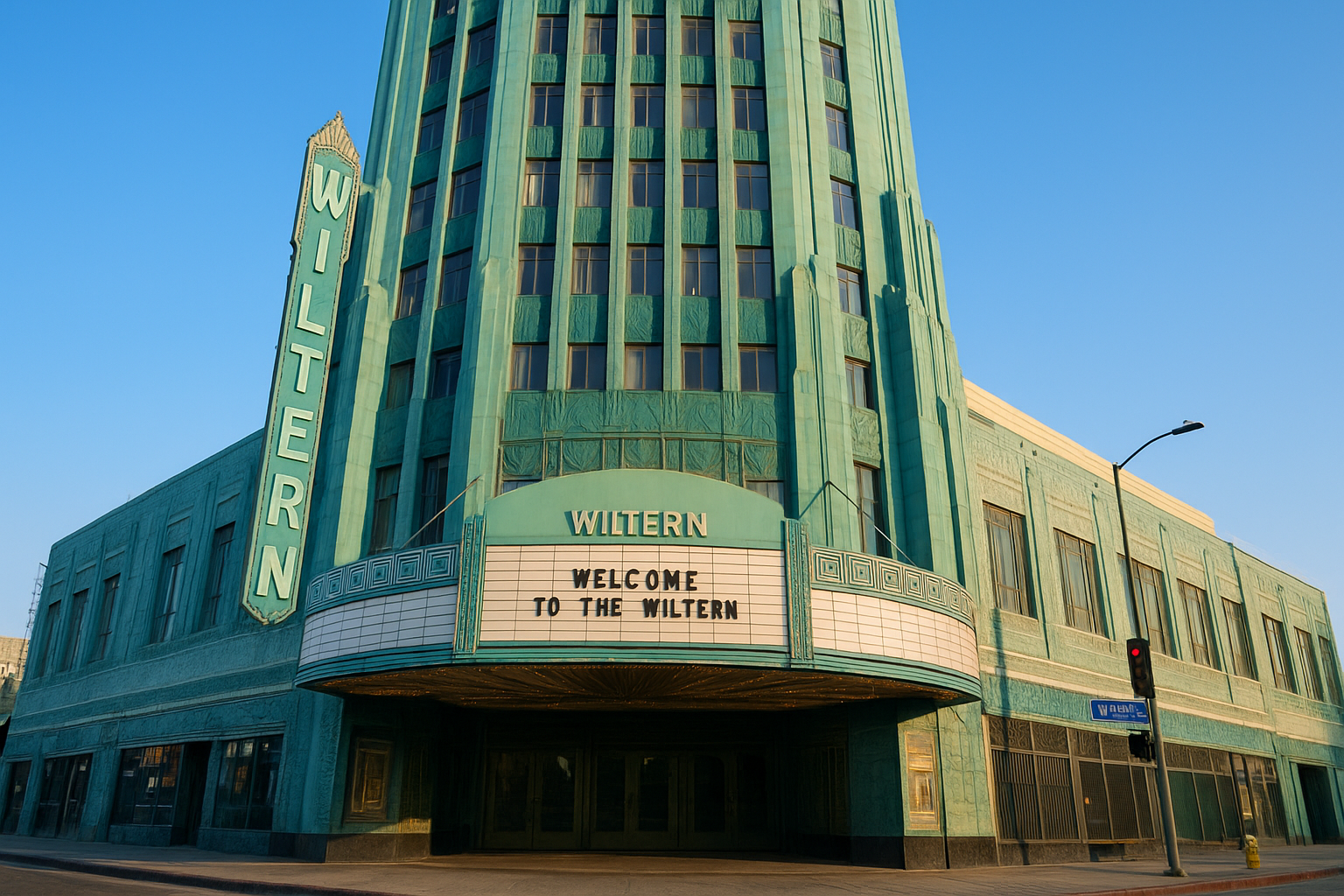
After a few hours of food and karaoke, the Wiltern Theatre gives you a reason to look up. This Art Deco landmark sits right at the corner of Wilshire and Western, and its blue-green terracotta facade is one of the most recognizable pieces of architecture in Koreatown Los Angeles. Built in 1931, it survived a demolition threat in the early 1980s before a full restoration brought it back as a working concert venue, and that history adds weight to what’s already a striking building to photograph.
What to expect
The exterior alone is worth the stop, with sunburst patterns, geometric detailing, and a tiered marquee that photographs well at almost any time of day, though golden hour and blue hour both do the building serious favors. If a show happens to be scheduled while you’re in town, the interior lobby and auditorium are just as ornate, all curved lines and period detail that most visitors never see because they only catch the outside.
The Wiltern proves you don’t need an interior tour to appreciate great architecture.
Top spots to try
A few angles consistently deliver the best shots:
- The corner entrance for the full tiered marquee and vertical sign
- Across Wilshire Boulevard for a wide shot that captures the whole facade
- Close-up shots of the terracotta detailing, which reward a longer look
Good to know
The exterior is free to view and photograph any time, so there’s no admission fee unless you’re catching a concert inside. Check the venue’s event calendar ahead of your trip if you want to see the interior, since it’s only open during scheduled shows. Parking nearby can be tight during events, so plan for a short walk or rideshare drop-off. Give it 10 to 15 minutes if you’re just snapping photos before moving on to your next stop.
8. Step inside Koreatown’s grand religious landmarks
Koreatown’s skyline hides a handful of striking churches and temples that most visitors walk past without noticing. These religious landmarks reflect the neighborhood’s history as a landing point for immigrant communities, and several buildings blend architectural styles you won’t find grouped together anywhere else in Los Angeles. Stepping inside, even briefly, gives you a different read on the neighborhood than a restaurant or shop ever could.
What to expect
Many of these buildings host active congregations, so you’ll want to visit outside service hours if you’re mainly there to look around. Interiors range from soaring, cathedral-style spaces with stained glass to smaller, more intimate halls with quiet courtyards tucked behind busy streets. Some sites welcome visitors year-round, while others open their doors only for scheduled tours or specific hours, so a quick check ahead saves you a wasted trip.
A church or temple in Koreatown tells you more about the neighborhood’s roots than any restaurant can.
Top spots to try
A few landmarks are worth building into your route:
- Wilshire Boulevard Temple, a domed, historic synagogue with striking murals inside
- Saint Sophia Cathedral, a Greek Orthodox landmark with elaborate Byzantine-style interiors
- Smaller Korean churches, scattered throughout the neighborhood, many housed in unexpectedly grand buildings
Good to know
Admission is generally free, though donations are appreciated at most sites. Dress modestly, covering shoulders and knees, since some interiors enforce this more strictly than others. Guided tours exist at a few landmarks, usually by appointment, so email ahead if you want more than a self-guided look. Budget 20 to 30 minutes per stop, longer if a tour or service happens to be running while you’re there.
9. Test your wits at an escape room
Koreatown packs in a surprising number of escape rooms, and they’ve become one of the neighborhood’s go-to activities for groups looking for something other than food or karaoke. These aren’t tacked-on tourist gimmicks either. Several rooms here were built by teams with real theatrical and puzzle-design backgrounds, and the density of options within a few blocks means you can knock out two rooms in an evening if your group’s competitive enough to want a rematch.
What to expect
Most rooms run 60 minutes and lock your group inside a themed set, whether that’s a haunted apartment, a heist scenario, or a sci-fi lab, with a trail of puzzles that unlock the next clue. A game master watches through hidden cameras and can feed you hints through a speaker if your group stalls out, so nobody actually gets stuck for the full hour with no help. Group sizes typically range from two to eight people, and pricing usually scales per person rather than per room.
An escape room turns a random Tuesday night into a story you’ll actually tell people about.
Top spots to try
When picking a room, look for:
- High review counts specifically praising puzzle design, not just theming
- Difficulty ratings listed upfront, so you’re not blindsided by an expert-level room on your first try
- Multiple room options at one location, useful if your group wants to try a second round
- Recent build dates, since older rooms sometimes show wear on props and tech
Good to know
Expect to pay $30 to $45 per person, with better rates for larger groups at some venues. Book online in advance, especially for weekend evening slots, since popular rooms fill up days ahead. Arrive 10 to 15 minutes early for the briefing, since late arrivals sometimes cut into your actual game time. Success rates vary widely by room difficulty, so ask staff which option suits your group before committing.
10. Catch a movie at CGV Cinemas
CGV Cinemas on Wilshire brings a distinctly Korean movie-going experience to the neighborhood, and it’s worth building into your day even if you’d never normally plan a movie around a trip. This isn’t your standard multiplex. CGV Cinemas is a South Korean chain, and the LA location leans into that identity with Korean and Hollywood releases running side by side, plus theater formats you won’t find at a typical American chain down the street.
What to expect
Walk in and you’ll notice the mix of programming right away, with the latest Korean blockbusters playing alongside major English-language releases, often with subtitles for whichever language isn’t your first. The real draw is ScreenX, a panoramic format that wraps the projection across three walls instead of one screen, which makes action sequences and sweeping landscapes hit differently. Seating includes recliners and premium options, and concessions go beyond popcorn, with Korean snacks and drinks sold alongside the usual candy counter.
ScreenX turns a regular movie into something you can only get in a handful of theaters worldwide.
Top spots to try
A few showtimes and formats are worth prioritizing depending on your group:
- ScreenX screenings, reserved for select titles, so check the format listing before booking
- Weekday matinees, which run cheaper and draw smaller crowds
- New Korean releases, often premiering here before wider US distribution
- Recliner seating upgrades, worth the extra few dollars for a long film
Good to know
Standard tickets run roughly $15 to $20, with ScreenX and premium seating pushing higher. Book online ahead of weekend evenings, since popular Korean titles sell out fast among the local community. Parking is available nearby, though weekend evenings get tight. Plan for two to three hours including the film and a snack run beforehand.
11. Treat yourself at a dessert cafe
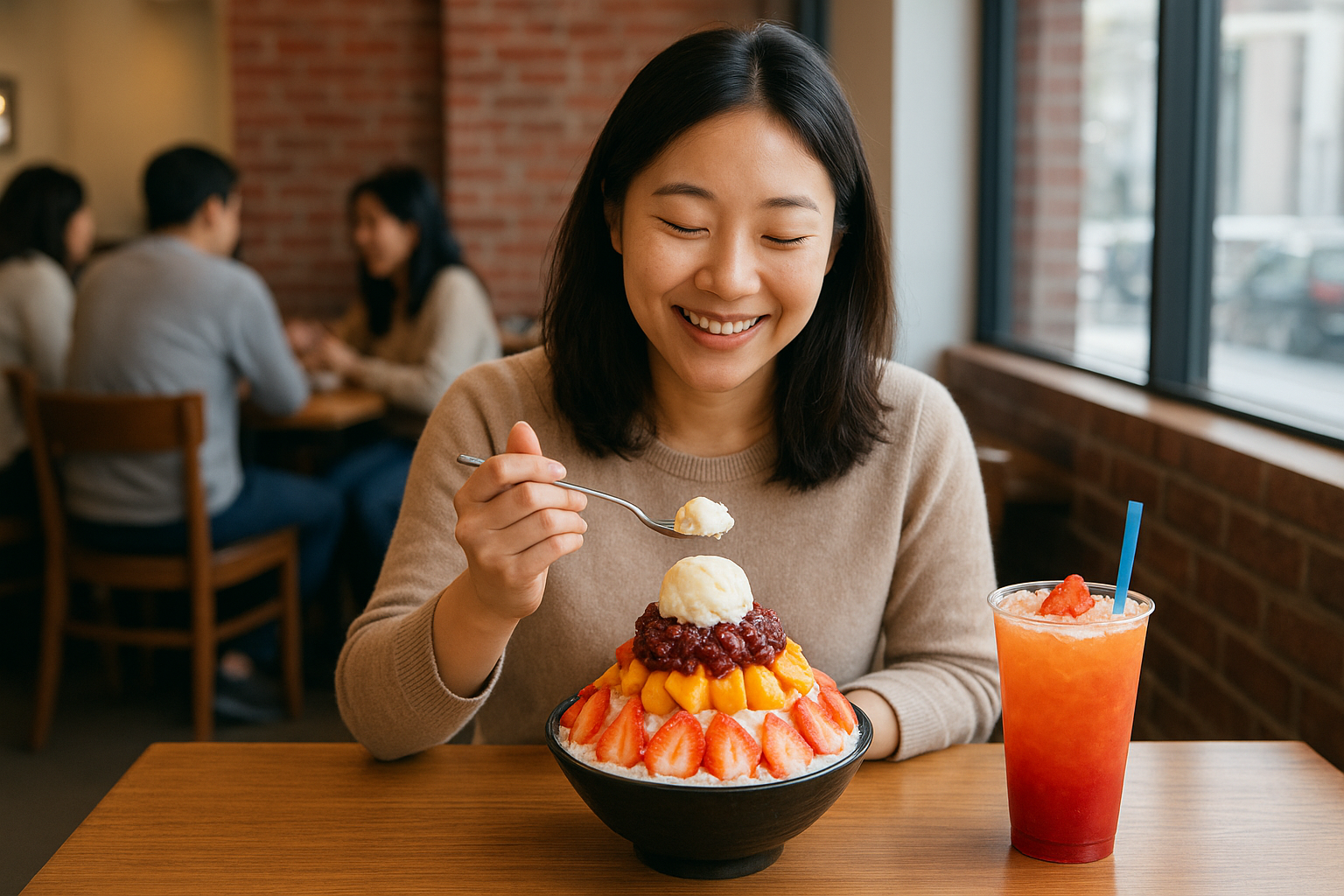
Koreatown takes dessert seriously enough that entire cafes build their whole identity around a single treat. A Korean dessert cafe isn’t a coffee shop with a pastry case bolted on. It’s the destination itself, usually built around shaved ice, soft serve, or a bingsu mountain too big for one person to finish alone. After a heavy barbecue dinner or a long walk through the neighborhood, this is the stop that feels earned rather than optional.
What to expect
Walk into a busy dessert cafe on a weekend afternoon and you’ll see tables crowded with patbingsu, the shaved milk ice piled high with red beans, injeol mi, or fresh fruit and drizzled with condensed milk. Some spots specialize in soft serve twisted into towers, while others focus on Korean-style bubble tea or layered fruit drinks that look better in photos than most food does. Portions run large by design, since these desserts are built for sharing, not solo eating.
Bingsu isn’t a snack, it’s a shared event that ends most Koreatown meals properly.
Top spots to try
A few dessert styles show up consistently across the neighborhood’s best cafes:
- Patbingsu with seasonal fruit toppings, the neighborhood’s signature dessert
- Soft serve towers, often flavored with black sesame or injeolmi
- Korean-style bubble tea, milkier and less sweet than the American version
- Layered fruit drinks, popular for their look as much as their taste
Good to know
Expect to pay $8 to $15 per dessert, which usually feeds two people comfortably. Weekend afternoons draw the biggest crowds, so a weekday visit or an early evening stop gets you a table faster. Most cafes accept cards, though smaller spots sometimes prefer cash for smaller orders. Budget 30 to 45 minutes if you’re sitting down, less if you’re grabbing something to go.
12. Experience Koreatown’s nightlife
Koreatown’s nightlife runs later and louder than almost anywhere else in Los Angeles, and that’s not an accident. This is a neighborhood built around 24-hour restaurants and late-shift workers, so bars and lounges here operate on a different clock than the rest of the city. Wrapping your night here, after barbecue or karaoke, gives you a real sense of why locals treat Koreatown as the after-hours capital of LA.
What to expect
You’ll find everything from speakeasy-style cocktail bars tucked behind unmarked doors to rooftop lounges with skyline views and dive bars that never seem to check the clock. Late-night bar culture here overlaps heavily with the food scene, so it’s common to bar-hop between a whiskey bar, a pojangmacha-style tent bar serving soju and anju, and a rooftop spot, all within a few blocks. Cover charges are rare outside of specific events, and most venues stay open well past 2 a.m., which is unusual even by LA standards.
Koreatown doesn’t slow down at midnight, it just gets started.
Top spots to try
A well-rounded night usually mixes a few different vibes:
- Rooftop lounges for skyline views and a calmer pace early in the night
- Speakeasy-style cocktail bars, often unmarked and worth asking your guide or hotel about
- Soju tent bars (pojangmacha) for a more traditional, casual late-night drinking scene
- Dive bars near Wilshire, reliable for a low-key last stop
Good to know
Most bars don’t require reservations, though the more popular rooftop spots benefit from booking ahead on weekends. Bring a valid ID, since checks are strict throughout the neighborhood. Rideshare availability stays strong here even late, so you rarely wait long for a pickup. Budget $15 to $25 per drink at nicer spots, less at dive bars and tent-style venues, and pace yourself since most nights out here involve at least three stops.
Making the most of your Koreatown visit
Koreatown works best when you stop treating it like a checklist and start treating it like a neighborhood with its own rhythm. Pick two or three stops that match your energy that day, whether that’s a barbecue dinner followed by karaoke, or a spa afternoon that rolls into dessert. Trying to cram all 12 into one visit usually backfires, since half the appeal here is lingering rather than rushing.
Given how much of Koreatown hides behind unmarked doors and untranslated menus, a local guide genuinely changes what you’re able to experience. You skip the guesswork and walk straight into the spots that locals actually favor. If you want that kind of insider access without the trial and error, check out private tours with Another Side of Los Angeles Tours and let a guide who knows this neighborhood build your visit around what you actually want to see.