You're probably sitting on the same question many travelers ask before they leave Los Angeles, do you blast up the freeway, or turn the road trip Los Angeles to San Francisco into something worth remembering? If you're traveling with kids, coordinating a corporate schedule, or trying to make one clean, elegant coastal escape, the right answer is rarely “just drive.” It's about choosing the corridor, pacing the day, and deciding where a private, concierge-style trip makes the whole experience smoother.
The route can be a quick transfer, or it can be one of California's most rewarding journeys. That difference comes down to how much time you have, how much scenery you want, and how much friction you're willing to tolerate along the way.
Table of Contents
- Choosing Your Route Between Three California Corridors
- Building Your Day-by-Day Itinerary
- Must-See Stops and Hidden Gems Along the Coast
- Budgeting for Lodging and Dining on the Road
- Vehicle Preparation and EV Charging Logistics
- Seasonal Timing and Photography Planning
- Elevating Your Journey with Private Tour Experiences
Choosing Your Route Between Three California Corridors
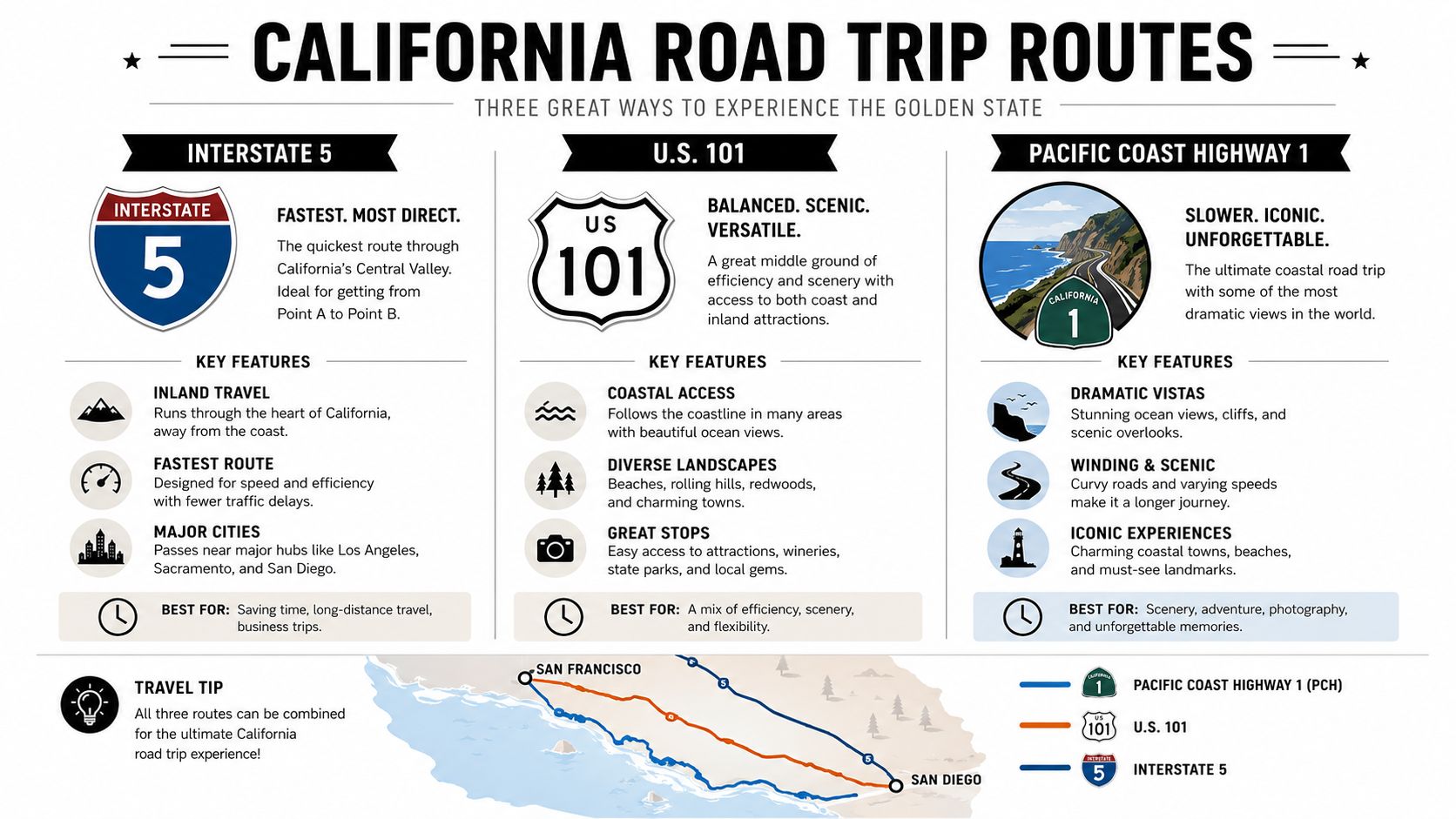
The first decision is simple, even if the planning isn't. Interstate 5 is the fastest corridor, U.S. 101 is the balanced choice, and Highway 1, the Pacific Coast Highway, is the one you choose when the trip itself matters more than the arrival. The direct Los Angeles to San Francisco drive is typically about 380 to 382 miles and about 5.5 to 6.5 hours without major stops, while the coastal Highway 1 version is commonly estimated at about 470 miles and 8 to 10 hours of driving time, before sightseeing slows things further. Those numbers alone tell you everything about the tradeoff. The route is not just different scenery, it's a different travel product. Open Road Drive's route guide lays out the distance and timing clearly.
Practical rule: if the flight, meeting, or hotel check-in is non-negotiable, choose I-5. If the goal is a polished road trip with room for stops, 101 is the smartest compromise.
Route Comparison at a Glance
| Route | Distance | Drive Time | Best For |
|---|---|---|---|
| Interstate 5 | About 380 to 383 miles | About 5.5 to 6.5 hours | Schedule-sensitive transfers, corporate groups, families who want fewer moving parts |
| U.S. 101 | About 380 to 430 miles | About 6.5 to 8 hours | Travelers who want a middle ground, with curated stops and less risk than the coast |
| Pacific Coast Highway 1 | About 450 to 500 miles | About 8 to 12 hours | Scenic road trips, couples, photographers, and guests who want a true coastal experience |
The reason I steer first-timers away from treating this like a quick city hop is the scale of the corridor itself. The LA and San Francisco markets are different travel worlds, and the transportation mix reflects that. One comparison cited that 67.4% of trips in Los Angeles city were made by driving alone, compared with 36.3% in San Francisco, while 52% of San Francisco trips were made by modes other than a private car. That contrast helps explain why the road trip matters as a premium intercity experience, not just a transfer. Streetblog LA's transportation comparison captures that divide well.
For luxury travelers, I'm blunt about the recommendation. I-5 is for certainty. 101 is for comfort with character. Highway 1 is for travelers who understand that the coast deserves time, patience, and a slower rhythm.
Building Your Day-by-Day Itinerary
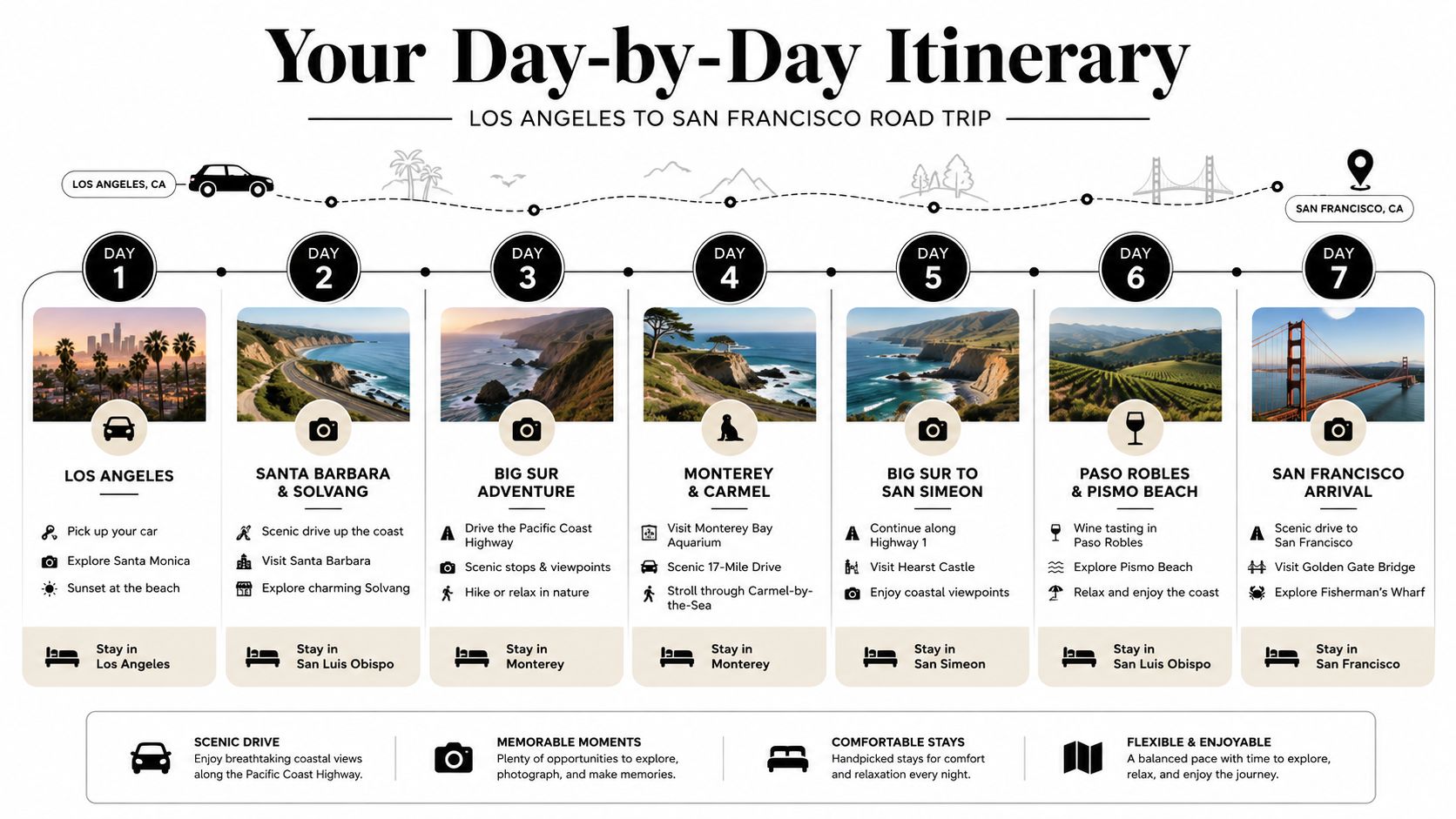
If you only have a weekend, don't pretend you're doing the coast properly. A smarter plan is to match your route to your energy level and your hotel count. The old mistake is trying to squeeze every famous stop into one exhausting push, then spending the next day recovering instead of enjoying California.
Express, Balanced, and Immersive
For a 1 to 2 day trip, use I-5 or a pared-down 101 plan. Sleep in Santa Barbara or San Luis Obispo, keep the day's driving clean, and skip the temptation to add “just one more” scenic detour. This version works for corporate travelers and anyone with an immovable schedule. It's not glamorous, but it's efficient and calm.
For a 3 to 4 day journey, I prefer 101 with selective coastal visits. An overnight in Santa Barbara, another near the Central Coast, and a final stop around Monterey keeps the pace civilized. That's the sweet spot for most couples and families, because there's time for meals, bathroom breaks, and real sightseeing without turning the drive into a strain. Independent route guides repeatedly show that the direct corridor is much faster than the scenic alternatives, which is why this middle-length plan is where the trip starts to feel polished rather than rushed. Travel Pander's 101 route breakdown is useful for understanding why the route naturally supports multi-stop pacing.
For a 5+ day trip, choose Highway 1 and lean into it. Overnight in coastal towns, take long lunches, and don't force daily mileage. The Pacific route works best when you stop treating the car as the main event and start treating the coastline as the experience.
My advice: families should plan shorter driving windows and earlier dinner stops. Couples should reserve the best sunset windows for Big Sur and the Monterey Peninsula. Corporate groups should prioritize the most predictable corridor and let the scenery happen around the schedule, not against it.
Need help making the launch day in Los Angeles feel effortless? A private arrival segment through Viansa events can be a useful reference point for travelers who like their itinerary planning handled with the same level of polish as their hotel and dinner bookings.
A sensible pacing pattern
- Day 1, Los Angeles to Santa Barbara or San Luis Obispo. Keep the first leg short enough that everyone still wants lunch.
- Day 2, Central Coast to Big Sur or Monterey. Here the road earns its reputation, so don't overbook.
- Day 3, Monterey to San Francisco. Leave room for a final coastal stop, then arrive before the evening grind.
The official recommendation is straightforward. If you want a luxury road trip, don't optimize only for mileage. Optimize for how the day feels at 2 p.m., 5 p.m., and by the time you check in.
Must-See Stops and Hidden Gems Along the Coast
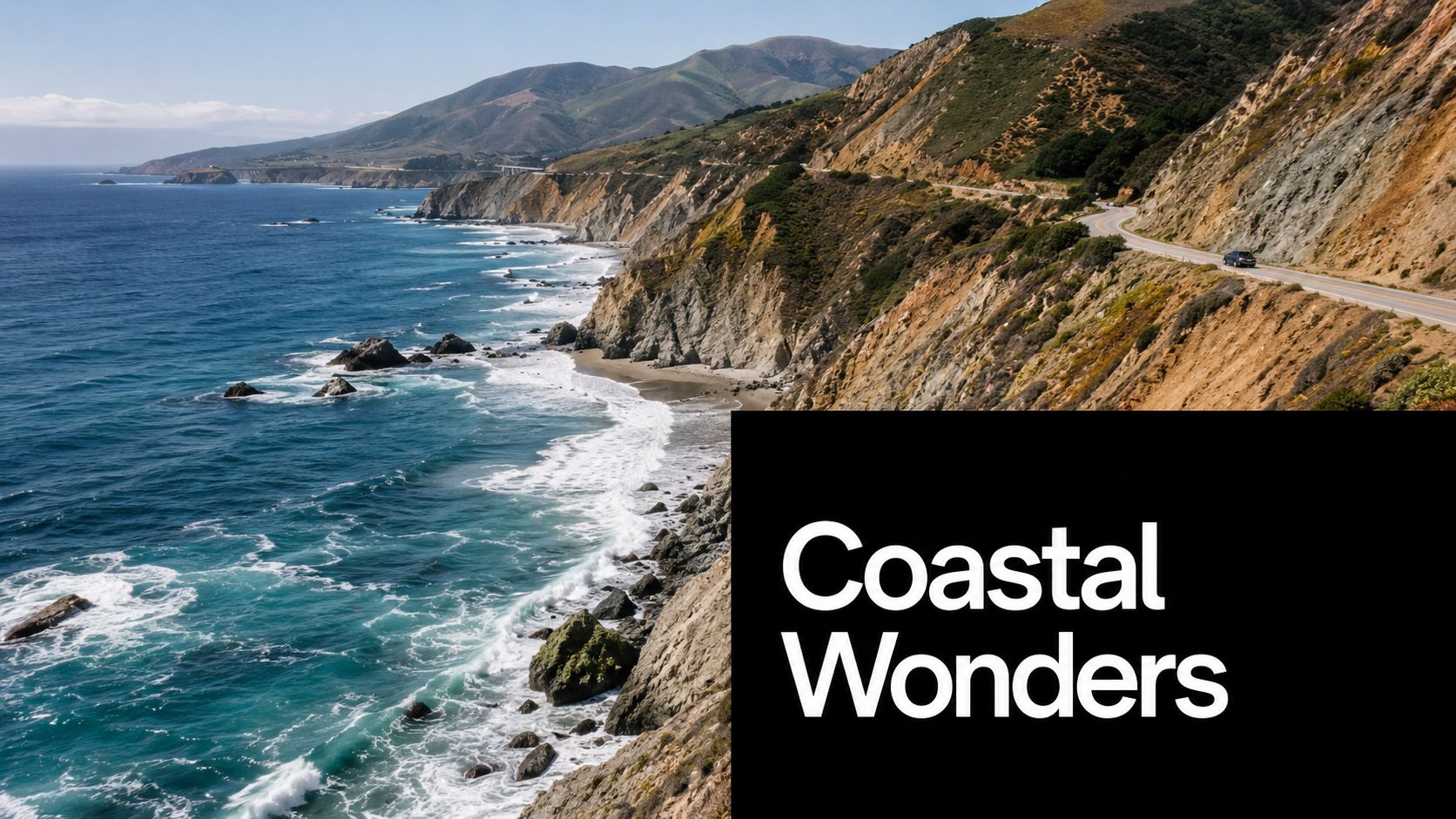
The coast is full of places that deserve more than a quick photo and a coffee spill in the parking lot. The best stops on the road trip Los Angeles to San Francisco are the ones that make you slow down for the right reasons, a courtyard, a pier, a tasting room, a bluff, or a view that lives up to the brochure.
The classics worth your time
Santa Barbara is the first stop I'd protect on any refined itinerary. The Mission gives the city its sense of history, while the Funk Zone offers a more relaxed, contemporary wine-district energy that works beautifully for lunch or a late-afternoon tasting. Parking can be tight in the most appealing parts of town, so it's better as a planned stop than a spontaneous one. If you want a coastal detour with a cleaner visual payoff, Another Side Of Los Angeles Tours' clear-water beaches in California is a helpful starting point for comparing shoreline experiences.
Pismo Beach is often dismissed as a refuel stop, which is a mistake. The dunes and pier dining give it a proper vacation feel, especially if your group wants a casual lunch with a view before getting back on the road. It works best in daylight, when the coastline has some energy and the ocean is visible.
Big Sur is the stretch people remember. The pullouts are the point, not the inconvenience, and the best ones are the ones where you don't rush the camera. Cell service can be unreliable, so once you're in the hills, act like you're in a remote luxury camp, not a city drive. Treat the area with patience, because that's what the environment demands.
The stops that justify reservations
Monterey and Carmel are where this drive becomes elegant. The Monterey Bay Aquarium is worth the time for families and anyone who likes marine life done well, and 17-Mile Drive delivers the kind of polished coastal scenery that fits private touring naturally. Carmel works especially well for lunch reservations, then a slow walk rather than a rushed checklist. It's one of the few places where a stylish meal and a seaside stroll feel equally appropriate.
Santa Cruz adds a different texture, more boardwalk nostalgia and surf-town looseness. If your trip needs one stop that feels playful rather than refined, this is it. It's especially useful for families or groups who want a lighter final coastal pause before San Francisco.
A strong route doesn't just connect landmarks. It balances iconic views with places that feel local, relaxed, and worth the parking hassle.
Budgeting for Lodging and Dining on the Road
Road trip budgets usually get blown by indecision, not by luxury. Travelers book late, eat impulsively, and then act surprised when prime coastal rooms and desirable dinner tables are already gone. The smarter move is to decide early which nights deserve a splurge, then keep everything else deliberately simple.
Spend where the trip feels better
I'd put the highest lodging priority in Santa Barbara, Big Sur, or Monterey, depending on your route. Those are the places where a better room changes the experience, because the views, pacing, and post-drive rest actually matter. On the dining side, reserve one proper dinner in the Central Coast or Monterey area, then balance it with easy breakfasts and lunch stops that don't require a long wait.
For breakfast, choose places that open early and serve fast enough to preserve your schedule. For lunch, the sweet spot is a seafood counter, a café with parking, or a spot where you can sit down, eat well, and leave without rearranging the whole day. Dinner is where coastal California asks for planning. If you want a specific table, book it before you leave Los Angeles.
Budget the overlooked costs
The hidden expenses are the ones that irritate travelers later. Parking, attraction tickets, fuel, and any toll-related costs add friction if you don't account for them at the start. Couples can keep the trip feeling special with a few intentional splurges and a few no-fuss meals. Families usually do better with lodging that includes breakfast or easy access to quick food, because once the day gets long, convenience matters more than a dramatic dining room.
One elegant way to avoid reactive spending is to tie your dining plan to the route itself. Santa Barbara for lunch. Big Sur for a scenic pause. Monterey or Carmel for dinner. That rhythm keeps the budget anchored and the trip feeling curated instead of chaotic.
Rule I use with VIP clients: spend for the views, not for the volume. A single well-timed meal at the right stop beats three forgettable restaurants you chose because you were hungry and tired.
If your Los Angeles days are part of the same itinerary, it can also be practical to compare a private excursion with Another Side Of Los Angeles Tours' custom private tours before you book separate city transport and sightseeing pieces.
Vehicle Preparation and EV Charging Logistics
A beautiful route can still become a miserable one if the car isn't ready. Coastal driving looks gentle, but the combination of winding roads, elevation changes, and longer stretches between services means you want the vehicle sorted before you leave Los Angeles. That's especially true if you're carrying luggage for multiple travelers or planning a convertible day.
What to check before departure
Start with the basics. Tires should be checked for pressure and tread, fluids should be topped off, and the brakes should feel solid before any Big Sur descent. If you're renting, ask for a car that passengers will find comfortable for sustained hours, not just stylish in a parking photo. A sedan is fine for many travelers, but SUVs and well-kept premium crossovers are more forgiving for families and groups.
If you're thinking about a rental convertible, use it selectively. It's fantastic for the Malibu and Santa Barbara stretches, then less ideal when the wind picks up or the road gets narrow. I'd rather see a convertible on a daylight coastal segment than on a long day where the driver is already tired.
For travelers researching their own home setup before a long EV road trip, EV charger installation from Black Rhino Electric is a practical resource to review before you commit to any charging-heavy vehicle plan.
EVs, range, and backup thinking
EV drivers should plan the route around charging, not around hope. Map charging stations in advance, verify compatibility, and assume climate control and elevation will affect your range more than city driving does. Big Sur is the part of the trip that deserves the most caution, because charging can be sparse and cell reception can be unreliable.
Concierge advice: never arrive at a remote coastal stretch with just enough charge to “make it.” Leave a buffer, then add another buffer.
If you want a clean Los Angeles launch with a car that suits the route, Another Side Of Los Angeles Tours' convertible car rentals in Los Angeles can be a useful comparison point for travelers who want the open-air experience without handling every detail alone.
Seasonal Timing and Photography Planning
The California coast changes character enough that timing matters as much as routing. Summer is not automatically the best season, and winter is not automatically a bad one. What you want is the version of the coast that matches your priorities, whether that's clear photography, fewer crowds, or dramatic weather.
What each season gives you
Spring is the season for wildflowers and whale migration, which makes the drive feel alive without the peak-summer crush. Summer gives you the longest days, but morning fog can hang around the coast and flatten the light. Fall usually offers the clearest skies and the warmest ocean temperatures, which is why it's my favorite season for clients who care about polished photos and comfortable outdoor stops. Winter is the moodiest, with stormy skies, fewer people, and strong atmospheric shots if you don't mind a little unpredictability.
For photographers and content creators, timing your pullouts matters more than chasing a perfect itinerary. Bixby Bridge is the obvious shot, but it's only one of several places where the coast feels cinematic. Open-top travelers also need to think about sun exposure, because a cool ocean breeze can fool you into staying out longer than your skin can handle.
Safety and light planning
Fog changes the drive. Slow down, use your lights correctly, and don't treat a dramatic view as a reason to pull over unsafely. Landslide awareness around Big Sur isn't optional either, because that stretch can change with conditions. If you're hoping to fly a drone, check the rules before you pack it, especially near protected coastal zones and crowded scenic pullouts.
The trick is simple. Pick the season that supports your actual goal. If you want cleaner images and a smoother visual experience, fall is usually the strongest choice. If you want a more romantic, atmospheric road trip, winter and spring can be stunning.
Elevating Your Journey with Private Tour Experiences
Some parts of this drive are better handled by a professional guide, and Los Angeles departure is one of them. City traffic, hotel pickups, and choosing a sensible first stop can eat up energy before the trip really begins. That's where a private tour service earns its keep, because the day starts with local logistics instead of navigation stress.
Another Side Of Los Angeles Tours offers curated options in Hollywood, Beverly Hills, Santa Monica, Venice, and Malibu, which makes it a natural launch point before a northbound drive. If your group wants a polished LA opening, then a private city segment gives you the iconic neighborhoods and a smooth handoff to the coast. For travelers who prefer a structured start, book a private tasting Napa is a reminder that premium travel often works best when tastings, transfers, and timing are handled with the same level of care.
The right model is simple. Use private service for the parts of the trip that benefit from expertise, traffic judgment, and timing discipline. Keep the slower scenic stretches for your own pace if that's what you enjoy. Families and corporate groups usually get the most value from guide-led logistics, while couples often like a mix of guided departure and self-directed coastal nights.
If you want the Los Angeles portion planned with the same polish as the drive north, review Another Side Of Los Angeles Tours' custom private tours and build the road trip around a clean, easy start rather than trying to force that level of coordination on your own.
If you want this trip handled with real local knowledge, not just a list of famous names, Another Side Of Los Angeles Tours can help you shape the Los Angeles end of the journey into something smooth, stylish, and efficient. Visit Another Side Of Los Angeles Tours to plan a private departure that fits your schedule, your group, and the kind of California experience you actually want.