Downtown LA gets a bad reputation from people who never actually park the car and walk it. Skip the freeway small talk about traffic, because the neighborhood packs more culture, architecture, and food into a few square miles than almost anywhere else in the city. If you’re searching for things to do in downtown Los Angeles, you’re standing at the edge of a district that mixes Art Deco skyscrapers, a thriving arts scene, and some of the best Mexican and Japanese food in the country.
This guide gives you a straight answer: 14 specific downtown Los Angeles attractions worth your limited vacation hours, from the Broad Museum’s free contemporary art to the hidden speakeasies tucked behind unmarked doors. No filler, no "maybe check this out if you have time" suggestions.
We’ll walk through historic landmarks, food halls, rooftop bars, and the pockets of downtown most tourists drive past without knowing they exist. Whether you’ve got an afternoon or a full weekend, you’ll leave knowing exactly where to go and why it’s worth the stop.
1. Take a guided walking tour of Downtown LA
Start here before anything else, because downtown’s layout confuses even longtime Angelenos. Streets jog at odd angles, historic districts blend into modern high-rises without warning, and half the best spots hide behind unmarked doors or inside buildings that look abandoned from the sidewalk. A guided walking tour solves this in a couple of hours instead of a couple of wrong turns, and it’s the single most efficient way to get oriented before tackling the rest of this list.
What to expect
Expect a route that strings together Broadway’s historic theater row, the Bradbury Building, Grand Central Market, and Pershing Square, usually capped around two to three hours on foot. A good guide doesn’t just point at buildings, they explain why a 1920s movie palace ended up as a swap meet, or how a single fire escape design changed Los Angeles building codes forever. Group sizes on Another Side of Los Angeles Tours’ Downtown LA walking tour stay small, which means you can actually ask questions instead of straining to hear over a crowd.
Why it’s worth a visit
Context turns downtown from a collection of buildings into a story you actually remember. Anyone can look up that the Bradbury Building appeared in Blade Runner, but a local guide tells you which balcony, why the production picked it, and what else has filmed there since.
A walking tour turns downtown LA from a maze into a story, and that story is what makes the rest of your trip make sense.
Outsiders skip this step and end up wandering in circles, missing half of what’s genuinely interesting because nothing on the street tells you it’s there.
Good to know before you go
Book the morning slot if you can. Downtown sidewalks heat up fast in summer, and morning light makes the Art Deco facades on Broadway look their best for photos.
- Wear real walking shoes. Sidewalks are uneven in spots, especially near Skid Row’s edges.
- Bring water. Shade is scarce between buildings at midday.
- Check group size. Smaller tours mean more time with the guide and easier questions.
- Combine it with lunch. Most routes end near Grand Central Market, so plan to eat right after.
Tours typically run $75 to $120 per person, with discounts for groups of three or more.
2. See The Broad and Walt Disney Concert Hall
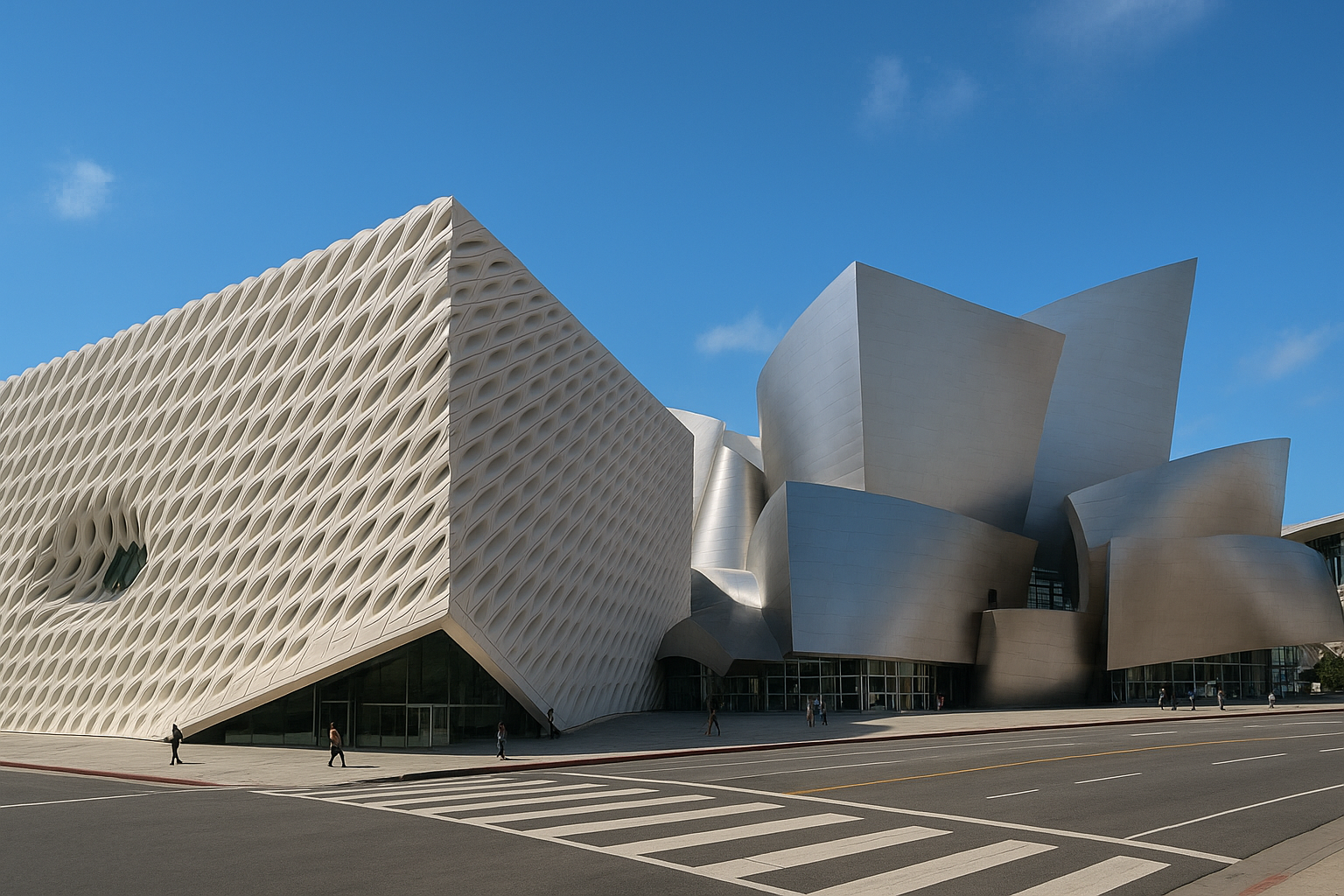
Walk two blocks from Bunker Hill and you’ll find two of the most photographed buildings in the city standing across the street from each other. The Broad houses one of the country’s best contemporary art collections behind a honeycomb-like exterior, while Walt Disney Concert Hall curves in stainless steel panels that Frank Gehry designed to look like a ship caught mid-sail. Together they make one of the best free stops on any list of downtown Los Angeles attractions.
What to expect
Inside The Broad, you’ll wander through rooms full of Warhol, Basquiat, and Kusama’s mirrored Infinity Room, which requires a separate timed ticket even with general admission. Walt Disney Concert Hall next door offers self-guided audio tours of the lobby and gardens most days, plus ticketed access if the LA Philharmonic has a show during your visit.
Why it’s worth a visit
Few cities let you see world-class art and world-class architecture in the same afternoon without paying a dime for either. The Broad’s general admission is free, one of many no-cost things to do around LA, and the concert hall’s exterior alone justifies the walk over.
Two buildings, zero excuses: this is the easiest high-culture stop in downtown LA, and most of it costs nothing.
Even if concerts and museums aren’t usually your thing, the photo opportunities alone make the detour worthwhile.
Good to know before you go
Reserve Broad tickets online weeks ahead during peak season since walk-up slots disappear fast on weekends.
- Book Kusama’s room separately if you want the mirrored infinity effect.
- Skip the wait by arriving right at opening, 10 a.m. most days.
- Check concert schedules ahead if you want to see the hall’s interior.
3. Eat your way through Grand Central Market
Cross the street from Angels Flight and step into a building that’s fed downtown workers since 1917. Grand Central Market packs nearly 40 stalls under one roof, serving everything from birria tacos to Thai boat noodles to fresh oysters. It’s the easiest way to sample half a dozen cuisines in a single sitting without picking just one restaurant.
What to expect
Expect crowded communal tables, cash-and-card stalls side by side, and lines that move fast even at lunch rush. Vendors like Eggslut, Sarita’s Pupuseria, and China Café have been slinging food here for years, and newer stalls rotate in as older ones age out. Grab a stool, split a few small plates, and treat it like a guided culinary crawl through Los Angeles instead of a sit-down meal.
Why it’s worth a visit
Nowhere else downtown lets you eat Mexican, Salvadoran, Thai, and Chinese food within fifty feet of each other. The market also captures downtown’s history better than most historic landmarks on this list, since it’s been operating continuously for over a century.
Grand Central Market is the fastest way to taste downtown LA’s entire food scene in one stop.
Even picky eaters find something here, which makes it a safe bet for mixed groups.
Good to know before you go
Arrive before noon on weekdays to beat the office lunch crowd, or expect a 15-minute wait for a table.
- Bring cash, some stalls still don’t take cards.
- Split dishes so you can try more vendors.
- Combine with Angels Flight, it’s a two-minute walk uphill.
4. Ride the world’s shortest railway on Angels Flight
Tucked into the hillside above Grand Central Market, Angels Flight has hauled riders up Bunker Hill since 1901, making it one of the oldest continuously operating funiculars in the country. The two orange cars, named Sinai and Olivet, climb a steep 298-foot track in under a minute, connecting Hill Street to California Plaza above. It’s a quick, quirky ride that most tourists walk right past without realizing what it is.
What to expect
Board one of the two wooden cars for a ride that lasts about 60 seconds and covers a grade steep enough that the seats sit at an angle. The fare runs $1 each way, cash or tap card, and the cars run daily except for scheduled maintenance closures. At the top, California Plaza opens up with fountains, shaded seating, and a clear view back down toward the market.
Why it’s worth a visit
Riding Angels Flight connects two of downtown’s best pockets, Grand Central Market below and Bunker Hill’s museums above, without a sweaty uphill walk. It’s also a piece of living history that survived a shutdown after a fatal 2001 accident and reopened in 2017 with new safety systems.
A one-dollar, sixty-second ride up Bunker Hill saves your legs and drops you right at Downtown LA’s museum district.
Few attractions this small carry this much history, and it photographs beautifully against the modern towers behind it.
Good to know before you go
Have exact change or a tap card ready, since the ticket booth doesn’t always have staff on hand.
- Ride both directions if you’re headed to The Broad afterward.
- Check hours online, since the funicular occasionally closes for repairs.
- Skip peak lunch rush, when office workers use it as a shortcut.
5. Browse the shelves at The Last Bookstore
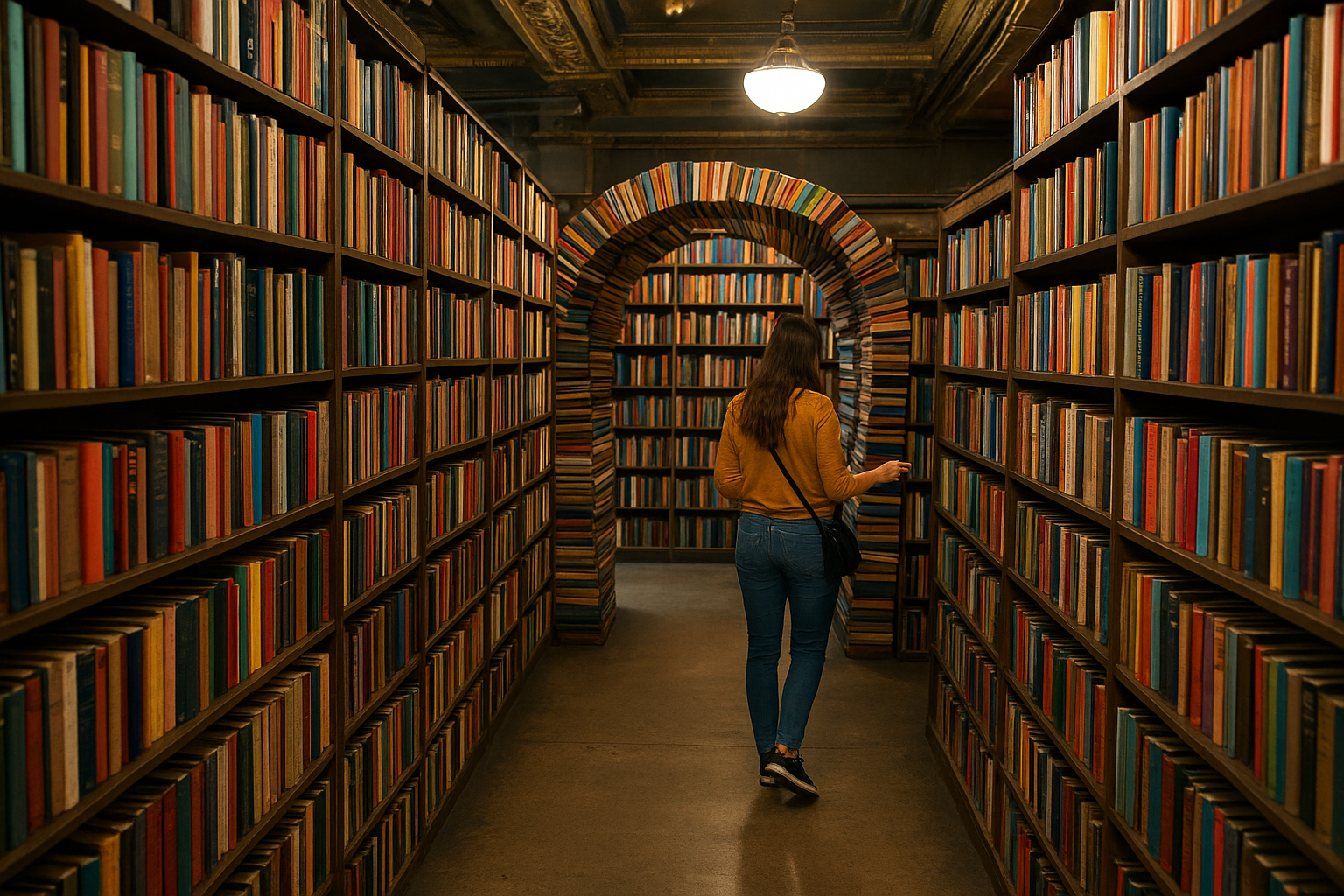
Set inside the old Spring Street Bank building, The Last Bookstore stacks over 250,000 new and used books across a cavernous ground floor and a maze-like upstairs loft. It’s the largest used and new bookstore in California, and it plays that role like a stage set, with a book tunnel arch, a spiral of hardcovers, and shelves that curve into rooms shaped like vaults. Even non-readers end up staying an hour just to photograph the place, which is why it lands on nearly every list of must-see camera stops downtown.
What to expect
Ground floor shelves organize by genre and stay busy with browsers hunting record deals, since the store also stocks a solid vinyl selection near the register. Climb the back staircase to reach the labyrinth, a warren of small rooms built from the old bank vaults, where you’ll find a horror room, a tunnel made of arched book spines, and an art gallery selling work from local artists. Vault doors from the building’s banking days still swing open along the walls.
Why it’s worth a visit
No other bookstore in the city doubles as an art installation and a functioning business at this scale.
The Last Bookstore turns browsing into an experience, not just an errand, and that’s rare in any city.
It’s also one of the few free, indoor, air-conditioned stops on this list, which matters on a 95-degree August afternoon.
Good to know before you go
Weekends bring long lines for the upstairs labyrinth, so aim for a weekday morning if you want empty rooms for photos.
- Bring cash or card, both work for purchases.
- Check event listings, since author talks and pop-up markets happen often.
- Wear comfortable shoes, the upstairs floors creak and the stairs are narrow.
6. Explore Little Tokyo’s shops and restaurants
Just east of the Civic Center, Little Tokyo packs ramen counters, mochi shops, and a century of Japanese-American history into a few walkable blocks. It’s one of the oldest Japantowns in the country, and it survived internment-era closures to rebuild into the dense little grid of shops you’ll walk through today. This stop rounds out any list of downtown Los Angeles attractions because it feels like a different city entirely, minutes from the skyscrapers on Bunker Hill.
What to expect
Wander Japanese Village Plaza for souvenir shops, mochi stands, and the koi pond that anchors the courtyard. Nearby, the Japanese American National Museum tells the internment story through photographs and personal artifacts, while Weller Court and the surrounding blocks hide ramen shops, izakayas, and matcha cafes that draw lines by early evening. Give yourself at least ninety minutes to eat and browse without rushing.
Why it’s worth a visit
Few downtown pockets balance food, history, and shopping this evenly in such a small footprint, and there’s a longer list of things to do in LA’s Japantown if you want to linger. You get a serious museum, genuinely good food, and a shopping district that doesn’t feel like a tourist trap, all within a ten-minute walk of Union Station.
Little Tokyo packs history, food, and shopping into blocks you can cover on foot in an afternoon.
Visitors who skip it usually regret it once they see photos from friends who didn’t.
Good to know before you go
Parking is tight, so plan to walk over from Union Station or Grand Central Market instead of driving in.
- Visit on weekday evenings to skip weekend crowds at popular ramen spots.
- Check museum hours, since the Japanese American National Museum closes Mondays.
- Bring cash for smaller vendors inside Japanese Village Plaza.
7. Rock out at the Grammy Museum
Sitting inside L.A. Live, right across from Crypto.com Arena, the Grammy Museum gives music fans four floors of interactive exhibits covering everything from hip-hop’s origins to the making of a chart-topping record. It’s one of the few museums in downtown built for touching, listening, and testing your own skills instead of just looking.
What to expect
Expect hands-on stations where you can mix a track, test your vocal range, or step into a soundproof booth to see if you’ve got rhythm. Rotating exhibits have covered everyone from Motown to Taylor Swift, and the permanent collection includes actual Grammy Award trophies, stage outfits, and handwritten lyrics from major artists. Budget about 90 minutes to cover all four floors without rushing.
Why it’s worth a visit
Music lovers get a museum that respects their intelligence instead of just displaying memorabilia behind glass, and it holds its own against the best museums across the city. The interactive setup means kids and adults both stay engaged, which isn’t true of most historic landmarks on this list.
The Grammy Museum turns music history into something you play with, not just something you look at.
It’s also a smart rainy-day or triple-digit-heat backup plan since the whole visit happens indoors.
Good to know before you go
Buy tickets online ahead of time, especially around Grammy Awards season in early February when crowds spike.
- Combine with a game, since Crypto.com Arena sits steps away.
- Check rotating exhibits before visiting if you’re chasing a specific artist.
- Expect $20 to $25 general admission, with discounts for students and seniors.
8. Step back in time at Olvera Street
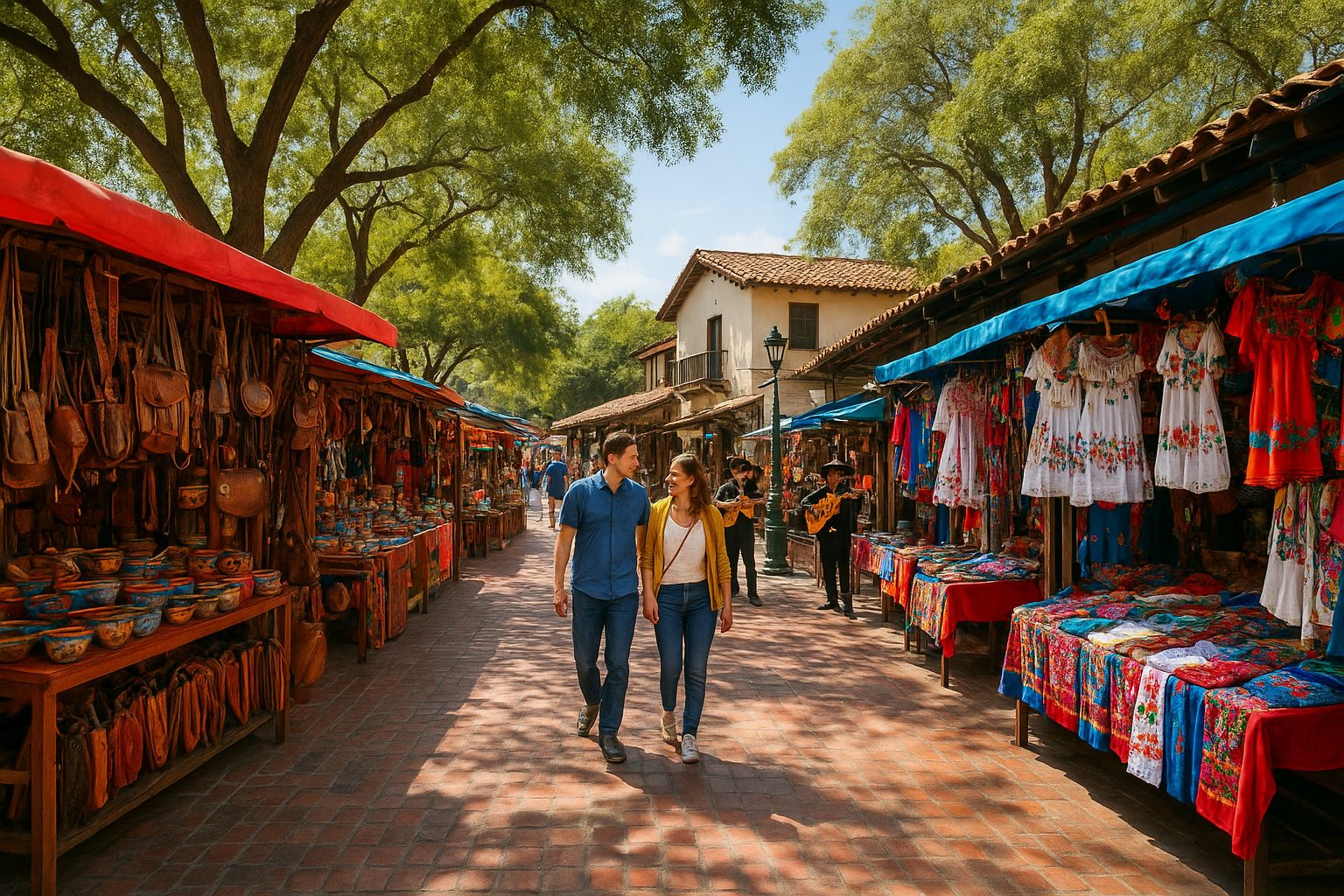
North of the Civic Center, Olvera Street marks the spot where Los Angeles began in 1781, and it still feels like a marketplace frozen somewhere between old Mexico and a modern tourist plaza. Colorful stalls line a narrow, tree-shaded walkway selling leather goods, hand-painted pottery, and embroidered dresses, while the smell of fresh churros and grilled meat drifts from every direction. It’s one of the oldest surviving sections of the city, and it anchors El Pueblo de Los Angeles Historical Monument.
What to expect
Walk the block-long pedestrian path and you’ll pass vendor stalls, taco counters, and mariachi bands that set up near the plaza on weekends. The Avila Adobe, LA’s oldest standing house, sits just off the main path and lets you peek into rooms furnished the way they looked in the 1840s. Free walking tours of El Pueblo run several days a week if you want more historical context than the signage provides.
Why it’s worth a visit
Downtown skews modern almost everywhere else, so Olvera Street gives you a genuine look at the city’s founding roots in a few compact blocks.
Olvera Street is the one place downtown where you can stand exactly where Los Angeles started 240 years ago.
It also pairs naturally with Union Station and Little Tokyo, both a short walk away, making it easy to string into a bigger loop of landmarks worth seeing across Los Angeles.
Good to know before you go
Visit on a weekday if you want fewer crowds and shorter lines at the food stalls.
- Bring cash, many vendors don’t take cards.
- Check for festivals, since Cinco de Mayo and Dia de los Muertos draw huge crowds here.
- Combine with Union Station, right across the street, for a quick architecture stop.
9. Catch a game or concert at Crypto.com Arena
Anchoring the L.A. Live complex, Crypto.com Arena hosts the Lakers, Clippers, and Kings alongside major touring concerts, awards shows, and the occasional boxing match. It’s the loudest, most energetic stop on this list of things to do in downtown Los Angeles, and it turns any evening into an event instead of just another dinner out.
What to expect
Expect a packed plaza before tip-off or showtime, with bars, restaurants, and giant screens broadcasting the pregame buzz across L.A. Live’s outdoor courtyard, and know it’s only one of the big live music rooms around LA. Inside, seating ranges from courtside luxury to upper-deck bargains, and the arena runs concessions from basic hot dogs to sit-down restaurants overlooking the floor. Games and concerts typically run two to three hours, so plan your evening around the full block of time.
Why it’s worth a visit
Nothing else downtown matches the energy of 18,000 people reacting to a buzzer-beater or singing along to a headliner.
A night at Crypto.com Arena gives you the loudest, most alive version of downtown LA you’ll find anywhere.
Even if you’re not a die-hard sports fan, catching a Lakers game or a big-name concert here counts as a genuine LA experience, the kind that shows up in stories back home.
Good to know before you go
Buy tickets weeks ahead for Lakers or Kings games, since prices spike fast once a matchup gets hyped.
- Arrive 90 minutes early to explore L.A. Live before doors open.
- Check the schedule since concerts, games, and awards shows all use the same building.
- Combine with the Grammy Museum, steps away for a pregame stop.
10. Marvel at the Bradbury Building’s atrium
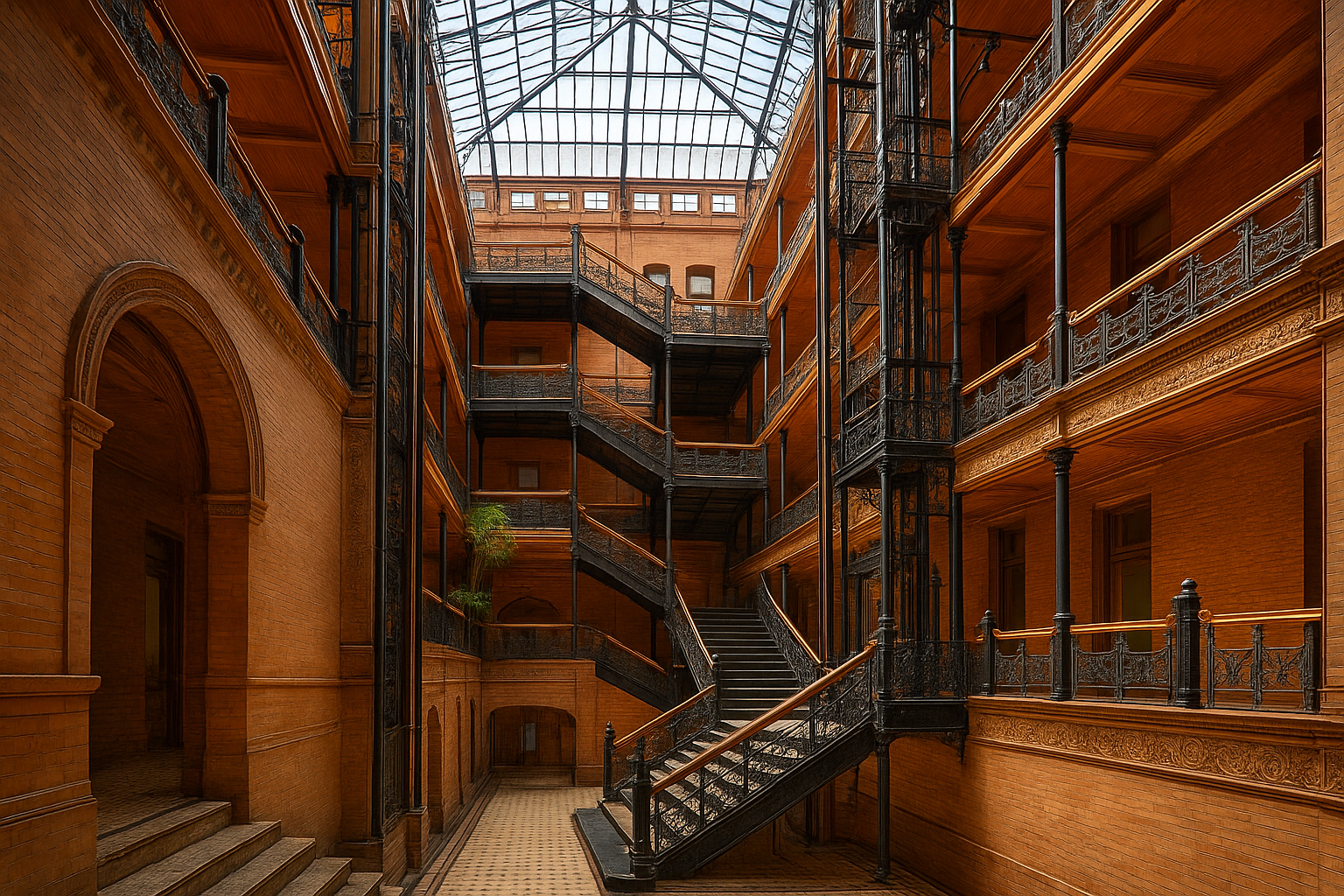
Stand in the lobby of the Bradbury Building and you’ll understand why architects still study it. Built in 1893, this office building at 3rd and Broadway hides one of the most photographed interiors in the city behind a plain sandstone facade. Wrought-iron railings, open-cage elevators, and a glass skylight flood the atrium with light that bounces off marble stairs and tile floors, all five stories up.
What to expect
Visitors get access to the ground floor lobby only, since the upper floors house working offices and aren’t open to the public. That’s still enough space to see the full skylight, the ironwork staircases, and the birdcage elevators that made this building one of the movie filming spots you can walk into, from Blade Runner to dozens of other productions. Give yourself ten to fifteen minutes, since there’s not much square footage but plenty to photograph from different angles.
Why it’s worth a visit
Hardly any Victorian-era interior in Los Angeles survives this intact, let alone one you can walk into for free. The building’s design borrowed ideas from a science fiction novel its architect had just read, which explains why it feels decades ahead of its 1893 construction date and why it anchors most LA architecture tours.
The Bradbury Building proves downtown LA’s best architecture sometimes hides behind the plainest doors.
Film fans especially get a kick out of standing in a spot they’ve already seen on screen.
Good to know before you go
Entry stays free, and a security guard usually keeps watch near the entrance.
- Visit during business hours, roughly 9 a.m. to 6 p.m. on weekdays.
- Keep noise down, since people work upstairs.
- Pair it with Grand Central Market, directly across the street.
11. Get free skyline views from City Hall
Rising 27 stories above the Civic Center, Los Angeles City Hall has anchored the skyline since 1928, and it still holds an observation deck that’s free and open to the public. Most visitors driving past have no idea they can ride an elevator up and look out over downtown, the San Gabriel Mountains, and the Hollywood Sign on a clear day. It’s one of the few genuinely free views in the city, an easy addition to any list of can’t-miss free attractions in LA, and it rarely shows up on typical downtown Los Angeles attractions lists.
What to expect
Security screens you like an airport, then an elevator carries you to the 27th floor observation deck. The deck wraps most of the way around the tower, giving you sightlines toward the Pacific on clear days and a straight shot of the skyscrapers on Bunker Hill. Bring your ID, since you’ll need it to sign in at the security desk before heading up.
Why it’s worth a visit
Nowhere else downtown gives you a 360-degree LA city view without a ticket or a rooftop bar minimum. City Hall’s Art Deco tower also starred as the Daily Planet building in old Superman productions, which movie buffs recognize the second they step off the elevator.
City Hall’s observation deck is the best free view in downtown LA, and almost nobody knows it exists.
That mix of history, film trivia, and skyline makes ten minutes here worth far more than the effort of getting through security.
Good to know before you go
The deck closes on weekends, so plan your visit for a weekday between roughly 9 a.m. and 5 p.m.
- Bring photo ID, required to enter the building.
- Check for closures, since city events occasionally shut the deck down.
- Combine with Olvera Street, a five-minute walk north.
12. Discover contemporary art at MOCA
A few blocks from The Broad, MOCA Grand Avenue holds one of the country’s sharpest contemporary art collections, spanning postwar abstraction through today’s working artists. The building itself, a red sandstone structure by architect Arata Isozaki, sits half-buried below street level, with pyramid skylights poking up through the plaza above. It rounds out the Bunker Hill museum cluster nicely if you’re already covering downtown Los Angeles attractions on foot.
What to expect
Galleries rotate through major traveling exhibitions alongside the permanent collection, which includes work from Rothko, Warhol, Basquiat, and Yoko Ono. The lower level houses most of the exhibition space, so plan on stairs or an elevator ride down before you see any art. A full visit runs 60 to 90 minutes depending on how thoroughly you read the wall text.
Why it’s worth a visit
MOCA fills the gap between The Broad’s blockbuster crowds and the smaller galleries scattered through the Arts District. It leans more experimental, which means you’ll see pieces that challenge you instead of just Instagram bait.
MOCA gives you the contemporary art scene’s rougher, more experimental edge, right next door to the polished crowds at The Broad.
Serious art fans often rank MOCA above the bigger-name museum nearby.
Good to know before you go
General admission runs around $18, though Thursday evenings sometimes offer free entry, so check the calendar of LA museums with free days before booking.
- Combine with The Broad, a five-minute walk away.
- Check Thursday hours for reduced or free admission windows.
- Wear layers, the lower galleries run noticeably cooler than street level.
13. Sip sunset cocktails at a rooftop bar
Downtown’s skyline looks best from above, and a handful of rooftop bars let you watch the sun drop behind Bunker Hill’s towers with a drink in hand. Spots like Perch, The Rooftop at The Standard, and the bar atop the Ace Hotel each offer a different angle on the same view, and all three sit within a short walk or rideshare of the rest of this list. For anyone weighing things to do in downtown Los Angeles california after dark, this is the stop that turns a day of sightseeing into a night worth remembering, and there are plenty more ways to spend an LA evening.
What to expect
Expect string lights, French bistro touches at Perch, retro pool-deck vibes at The Standard, and a laid-back lounge feel atop the Ace. Cocktail menus run $16 to $20 on average, and most spots enforce a dress code that skips athletic wear and flip-flops. Arrive by 5:30 p.m. on weekends if you want a table without a wait.
Why it’s worth a visit
Nothing else on this list gives you the full skyline in one frame, lit up as office towers switch on for the evening.
A rooftop cocktail at golden hour is the easiest way to end a downtown day on a high note, literally.
Even a single drink up here beats a ground-level view every time.
Good to know before you go
Reservations matter more than people expect, especially Thursday through Saturday.
- Book ahead online, walk-ins often wait 45 minutes or more.
- Check dress codes, some rooftops turn away casual sneakers or shorts.
- Bring a light jacket, downtown rooftops get breezy after sunset even in summer.
14. Wander the murals of the Arts District
East of Little Tokyo, the Arts District trades historic facades for warehouse walls covered in massive murals, turning entire blocks into an open-air gallery. Old factories and rail depots now house galleries, coffee roasters, and design studios, but the real draw is stepping outside and finding a new piece of street art around every corner. It’s the grittiest, most colorful stop on this list of downtown Los Angeles attractions, and it feels worlds away from Bunker Hill’s glass towers.
What to expect
Streets like Hewitt, Palmetto, and Sixth pack in rotating murals from local and international artists, some spanning entire building sides. Wilcox Park and the stretch near Angel City Brewery draw the heaviest concentration of large-scale work, and pieces change often enough that longtime visitors say the neighborhood never looks the same twice, so check the current downtown LA mural spots before you go. Budget at least an hour of walking to cover the core blocks without rushing past anything.
Why it’s worth a visit
No other pocket downtown mixes industrial grit with this much creative energy in daylight. Galleries, coffee shops, and bars fill the same warehouses as the murals, so you can wander, shoot photos, and duck inside for a drink without leaving the district.
The Arts District turns a walk between warehouses into a scavenger hunt for the city’s best street art.
Even photographers who’ve shot every famous LA landmark find fresh material here.
Good to know before you go
Murals shift with building ownership and new commissions, so a map from last year won’t match today’s walls.
- Walk, don’t drive. Parking is tight and most murals cluster within a few blocks.
- Visit midday for the best natural light on wall-sized pieces.
- Pair with Little Tokyo, a short walk west.
A perfect day in Downtown LA
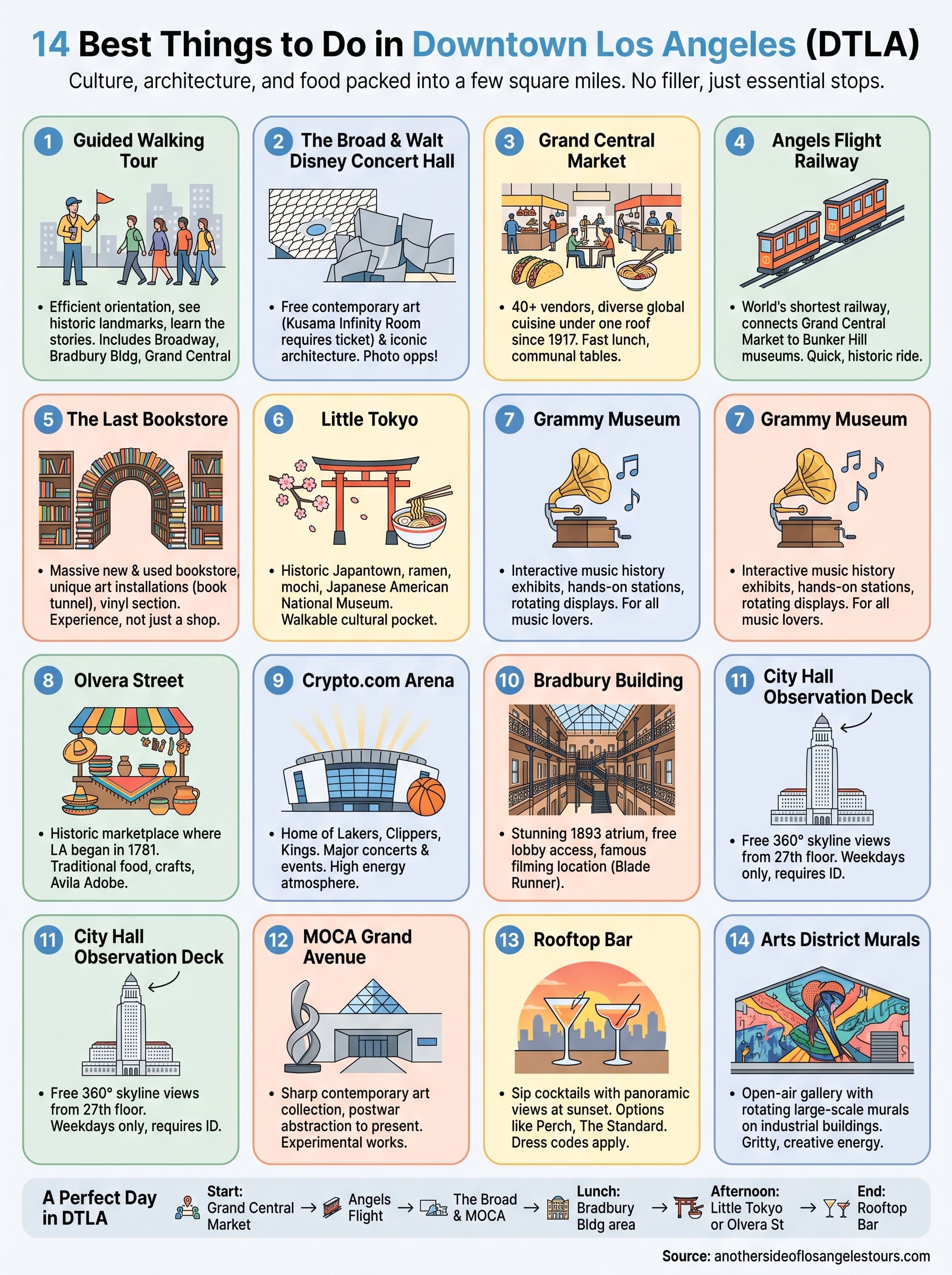
Start at Grand Central Market for breakfast, ride Angels Flight up to Bunker Hill, and spend your morning bouncing between The Broad and MOCA. Cross over to the Bradbury Building at lunch, then let the afternoon carry you through Little Tokyo or Olvera Street before the heat peaks. Wrap the day with a rooftop cocktail as the skyline lights up. That’s a real itinerary, not a wish list, and it proves downtown Los Angeles attractions hold up against any neighborhood in the city once you know where to look.
You don’t have to map this out alone. A guide who walks these blocks every week catches the details you’d otherwise miss, and keeps you moving instead of second-guessing your route. If you’d rather spend your day exploring than planning, book the Ultimate Downtown LA history and luxury tour and let someone else handle the logistics.