Los Angeles gives you two options: stand in line at the Hollywood sign viewpoint with two hundred other people, or find the spots locals actually love. If you’re searching for things to do in Los Angeles that go beyond the tourist checklist, you already know the difference matters. Griffith Observatory and the Walk of Fame are fine, but they don’t tell you much about the city itself.
This list skips the rehearsed stops and focuses on secret spots in LA that show you why people who live here actually love it. Think converted speakeasies, neighborhood murals with real stories behind them, and viewpoints most rental car tourists never find. Each entry includes what makes it worth your limited vacation hours and how to get there without wasting an afternoon in traffic.
We’ve spent years leading guests through this city at Another Side Of Los Angeles Tours, and these 12 recommendations come straight from what our guides point out when the cameras aren’t rolling for the usual shots. Whether you have a free afternoon or a full day to explore, you’ll leave with a version of LA that feels earned, not rushed.
1. Take a guided tour with a local expert
What it is
A guided tour puts a knowledgeable local behind the wheel or walking beside you, translating the city instead of just pointing at it. Another Side Of Los Angeles Tours runs private and small-group experiences through Hollywood, Beverly Hills, and the surrounding neighborhoods, using everything from private vehicles to guided e-bike rides through LA and Segways depending on how you want to move through the city. You pick the pace, the guide handles the logistics, and you spend your time actually looking at Los Angeles instead of squinting at a map on your phone.
Why it stands out
Most lists of fun things to do in Los Angeles treat guided tours as an afterthought, something for people too lazy to explore on their own. That gets it backward. A good guide has spent years learning which alley behind a studio lot has the best story, which stretch of Mulholland Drive locals actually use for sunset, and how to dodge the traffic patterns that eat entire afternoons. Our guides are certified local experts, not seasonal hires reading from a script, and that difference shows up in the small detours and unscripted stops that never make it into a standard itinerary.
A guided tour turns sightseeing into a conversation with someone who actually lives here.
Tour lengths run from 90-minute neighborhood walks to full 7-hour explorations, so you can match the commitment to how much of your trip you want to hand over. Group pricing starts around $75 per person and scales up to private and luxury tours in Los Angeles, including a limousine tour, for travelers who want a more personalized pace. Corporate groups and team building activities in Los Angeles are common too, since a shared itinerary with a built-in storyteller works just as well for coworkers as it does for families.
Good to know before you go
Booking ahead matters more in Los Angeles than most visitors expect, especially for small group tours during peak season from May through September when popular time slots fill fast. A few practical notes before you lock in a date:
- Pickup is included on most tours, so you skip the parking hassle and arrive already oriented instead of circling a block downtown.
- Group discounts kick in at three or more people, which makes a small group tour of LA surprisingly competitive against renting a car and paying for parking at every stop.
- Themed options exist if you want more than a general overview, including celebrity homes routes, haunted Hollywood tours, and studio lot combinations.
- Custom itineraries are available if your group has specific interests, like architecture, film history, or food.
Check the full lineup of Los Angeles tours for every adventurer before you land, since the popular routes tend to sell out during holiday weeks and film festival season.
2. Admire street art in the Arts District
What it is
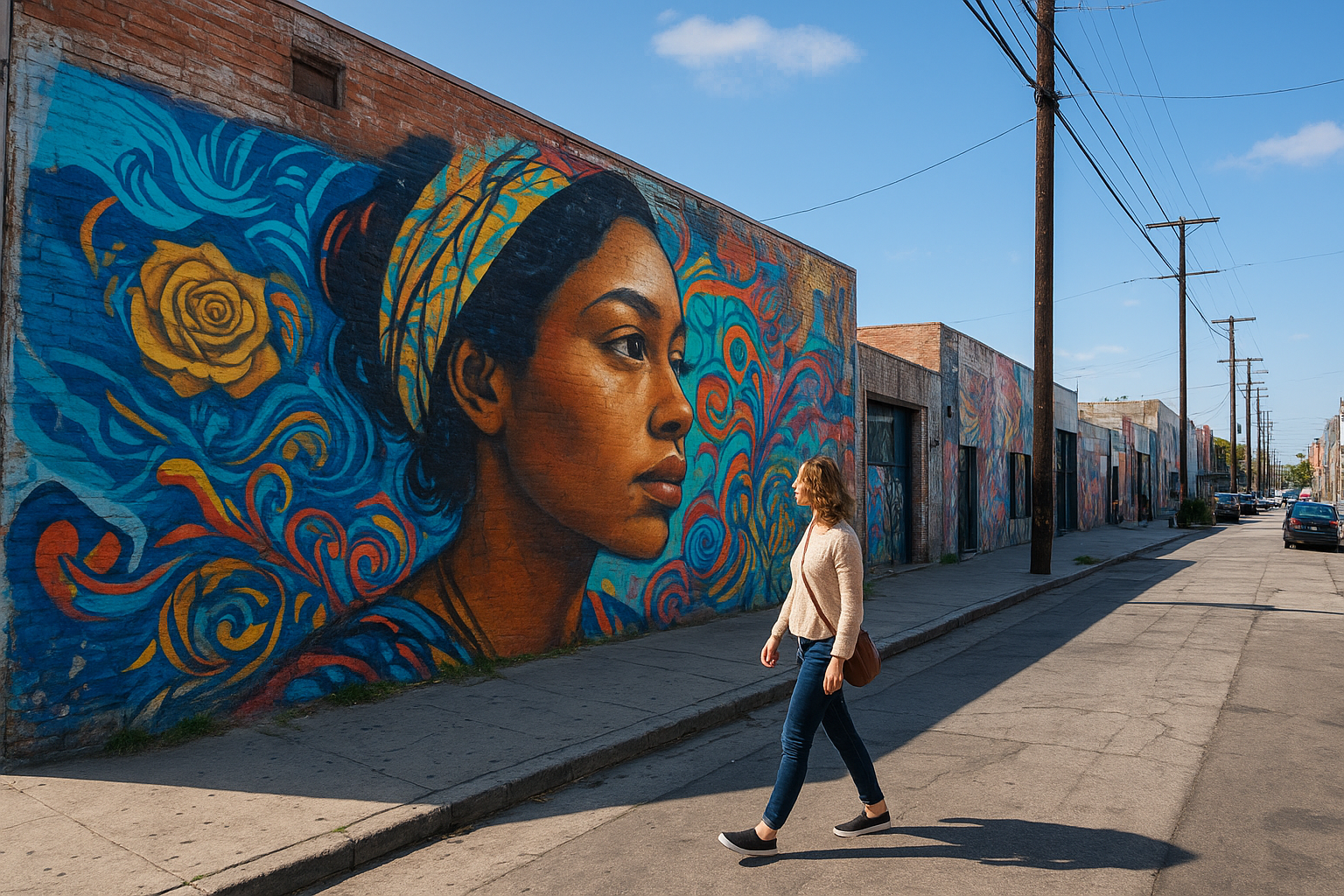
The Arts District sits east of downtown in a stretch of old warehouses and rail spurs that artists colonized decades before developers noticed. Walls here carry massive murals, some sanctioned and some not, alongside working studios, galleries, and converted lofts. You can wander for a couple of hours and cover blocks like Hewitt Street, Mateo Street, and the alleys around Bendix Building without ever needing a car.
Why it stands out
Unlike the polished murals downtown that get repainted for tourists, the Arts District street art shifts constantly, layering new work over old and keeping the neighborhood feeling alive rather than curated. Local artists still use these walls as a testing ground, which means you’re seeing something closer to a living gallery than a museum piece. It’s one of the better unique things to do in LA if you want a sense of the city’s creative undercurrent instead of its postcard version.
Street art in the Arts District changes faster than any guidebook can keep up with.
Coffee shops, breweries, and small galleries fill in the gaps between murals, so you’re never just staring at a wall. Places like Urban Radish and the surrounding cafes give you a reason to slow down and treat the walk like a self-guided gallery crawl rather than a checklist.
Good to know before you go
Weekday mornings are quieter than weekends, when the neighborhood fills with brunch crowds and photographers chasing the same backdrops. A few notes worth keeping in mind:
- Parking is limited, so rideshare or a short walk from the Little Tokyo/Arts District Metro station works better than circling for a spot.
- Some murals rotate or disappear, so don’t count on a specific piece still being there from a photo you saw online.
- Comfortable shoes help, since the best walls are spread across several blocks with uneven sidewalks.
3. Explore the hidden food halls of Little Tokyo
What it is
Little Tokyo packs an entire culinary district into a few walkable blocks just south of the Arts District, and most visitors walk right past its best finds. Inside unmarked buildings like Weller Court and the Japanese Village Plaza, you’ll find food halls stacked with ramen counters, mochi shops, and izakaya stalls that never make it onto a typical Hollywood-to-beach itinerary. Ramen bars pack tight into small storefronts, and the smell alone pulls you off the sidewalk before you even know what you’re craving.
Why it stands out
Few things to do in Los Angeles deliver this much variety in such a small footprint. You can eat your way through the city’s hidden culinary gems across three different countries’ worth of flavor without moving more than a couple blocks, and the crowd skews local rather than tourist, which keeps prices honest and portions generous. Little Tokyo also holds one of the oldest continuously Japanese-American neighborhoods in the country, so the food carries real history instead of a manufactured theme.
A few blocks in Little Tokyo can feed you better than a full day chasing Hollywood restaurants.
Family-run spots like Suehiro Cafe have served the same neighborhood regulars for decades, and that kind of consistency says more about a city than any five-star review ever could.
Good to know before you go
Lunch rushes hit hard between noon and 1:30 PM on weekdays, so aim earlier or later if you want a seat without waiting. Little Tokyo/Arts District Metro station drops you within a five-minute walk of most food halls, which beats hunting for parking in the surrounding lots. Cash still works better than cards at a handful of the smaller stalls, so keep some on hand before you start grazing.
4. Browse the Last Bookstore and downtown speakeasies
What it is
The Last Bookstore fills a former bank on 5th Street with over 250,000 new and used books spread across two floors, including a labyrinth of a book tunnel and a vault still lined with old safe deposit boxes. It’s the kind of place where you go in for a paperback and lose ninety minutes wandering the shelves. Downtown LA also hides a handful of unmarked speakeasy bars behind laundromats, phone booths, and unlabeled doors, a holdover from the neighborhood’s Prohibition-era buildings that never got demolished.
Why it stands out
Most visitors treat downtown as a drive-through on the way to Hollywood, which means they miss one of the better things to do at night in Los Angeles. The Last Bookstore alone draws photographers and book lovers from across the country for its spiral book tunnel, but the real payoff comes after you close the store’s doors behind you and start hunting for a speakeasy entrance disguised as a barbershop or a taco counter.
Downtown LA rewards the people willing to knock on unmarked doors.
Bars like The Varnish, tucked behind a hot dog stand in Cole’s, keep the Prohibition theme honest with small-batch cocktails and no visible sign. It’s a sharp contrast to the loud, tourist-heavy bars along Hollywood Boulevard.
Good to know before you go
The Last Bookstore closes around 9 PM most nights, so plan your bookstore browsing before dinner rather than after. Downtown speakeasies typically don’t take walk-ins on weekends, so a quick call or reservation through the bar’s website saves you from getting turned away at an unmarked door. Parking downtown gets pricier after 6 PM, so the Metro Red or Purple Line to Pershing Square station is usually the smarter move for an evening out.
5. Hike to the Bronson Canyon Batcave
What it is
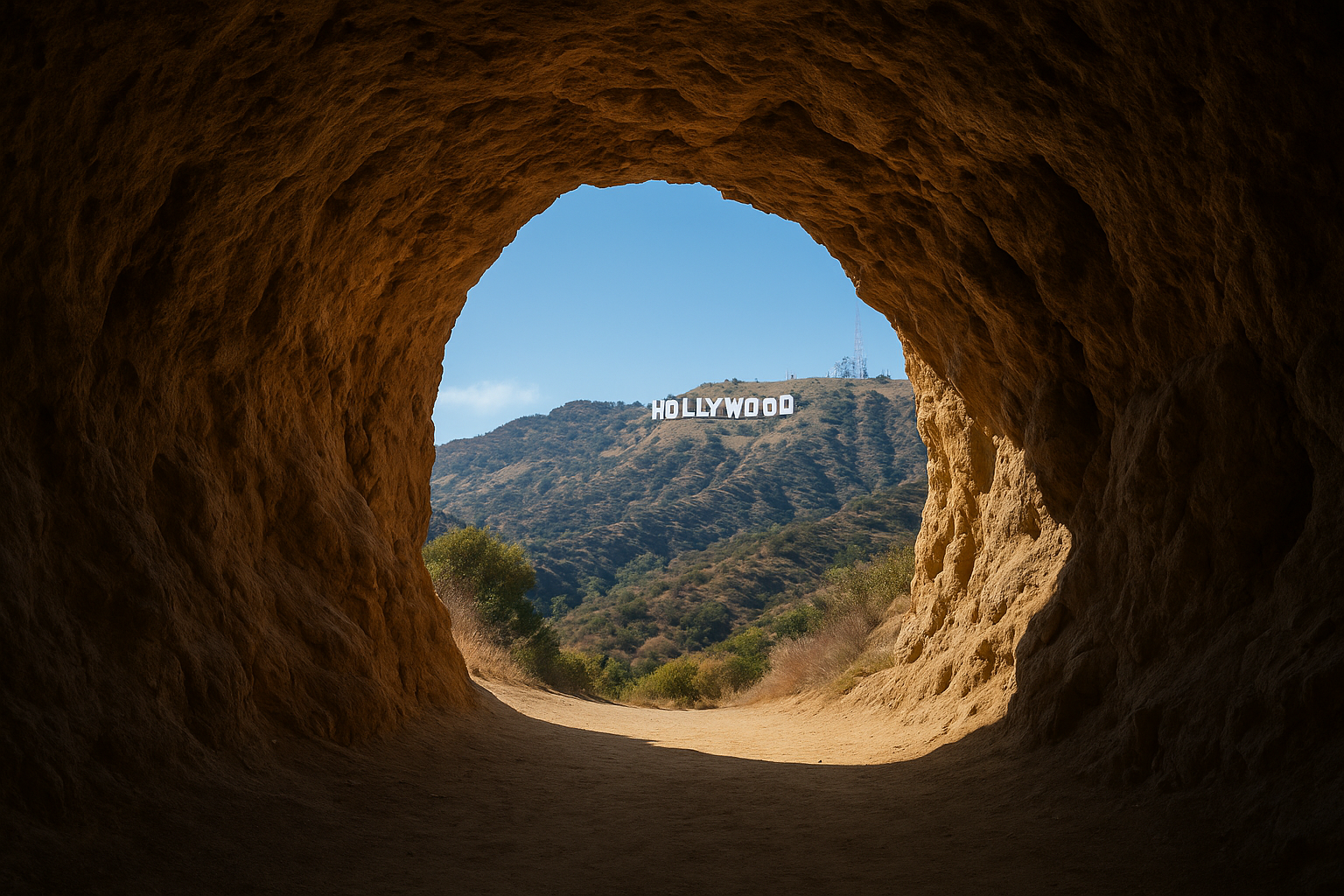
Bronson Canyon sits inside Griffith Park, just a short scramble from Bronson Canyon Road, and holds a cave that’s been doubling as a movie location since the silent film era, making it an easy add-on to the best trails in Griffith Park. Fans know it best as the entrance to the Batcave from the 1960s Batman series, but the tunnel is one of many Hollywood film locations you can visit, having shown up in countless westerns and sci-fi B-movies shot on the cheap. The hike itself takes about 20 minutes round trip on a wide, mostly flat trail, which makes it one of the easiest outdoor things to do in LA for anyone short on time or stamina.
Why it stands out
Finding this spot feels like stumbling onto a film history lesson nobody assigned you. Standing inside the cave, you can see straight through to the Hollywood Sign framed in the opening, a view that most tourists never realize exists a few miles from the crowded official viewpoint.
A ten-minute walk gets you a better Hollywood Sign photo than most people wait an hour for downtown.
Unlike the packed lookout points near the sign itself, Bronson Canyon rarely feels crowded, even on weekends, and the surrounding hills give you a genuine taste of the chaparral landscape that shaped so much of LA’s early film production.
Good to know before you go
Bring water and real shoes, since the trail surface gets loose and dusty by midsummer. A few other details worth knowing:
- Parking is free along Canyon Drive, but the small lot fills by mid-morning on weekends.
- Shade is scarce, so early morning or late afternoon beats a midday visit in July or August.
- Cell service drops in spots, so download directions before you start walking.
Combine it with a stop at the Hollywood Sign viewpoint on Mulholland for a fuller morning without needing a car for either leg.
6. Visit the Museum of Jurassic Technology
What it is
Tucked into a nondescript storefront on Venue Boulevard in Culver City, the Museum of Jurassic Technology defies easy description. Dim hallways lead you past exhibits on microminiature sculptures, extinct bats, and folk remedies, all presented with the same hushed reverence you’d expect from the Smithsonian. Nobody quite agrees on what’s real and what’s fabricated, and that ambiguity is the entire point.
Why it stands out
Almost nothing about this place tells you it’s satire, or scholarship, or both at once, and that tension is what keeps people talking about it years after their visit. It’s one of the strangest unique things to do in LA, precisely because it refuses to explain itself the way the city’s more conventional museums would. You’ll leave a room unsure whether you just learned something true or fell for an elaborate joke, and somehow that uncertainty feels more honest than most museum experiences built around clear answers.
The best exhibits here don’t tell you what to think, they just make you question everything you thought you knew.
The rooftop tea room, when open, adds a quiet, almost meditative close to a visit that otherwise scrambles your sense of reality.
Good to know before you go
Give yourself at least an hour, since the exhibits reward slow reading over quick scanning. A few practical notes:
- Photography is discouraged in most rooms, so leave the camera in your bag and just look.
- Admission runs around $12, with student and senior discounts available.
- Tuesdays are closed, so check hours before planning a visit around this stop.
Pair it with a stop in downtown Culver City for lunch afterward, since a few good restaurants sit within a five-minute walk of the entrance.
7. Tour the Watts Towers Arts Center
What it is
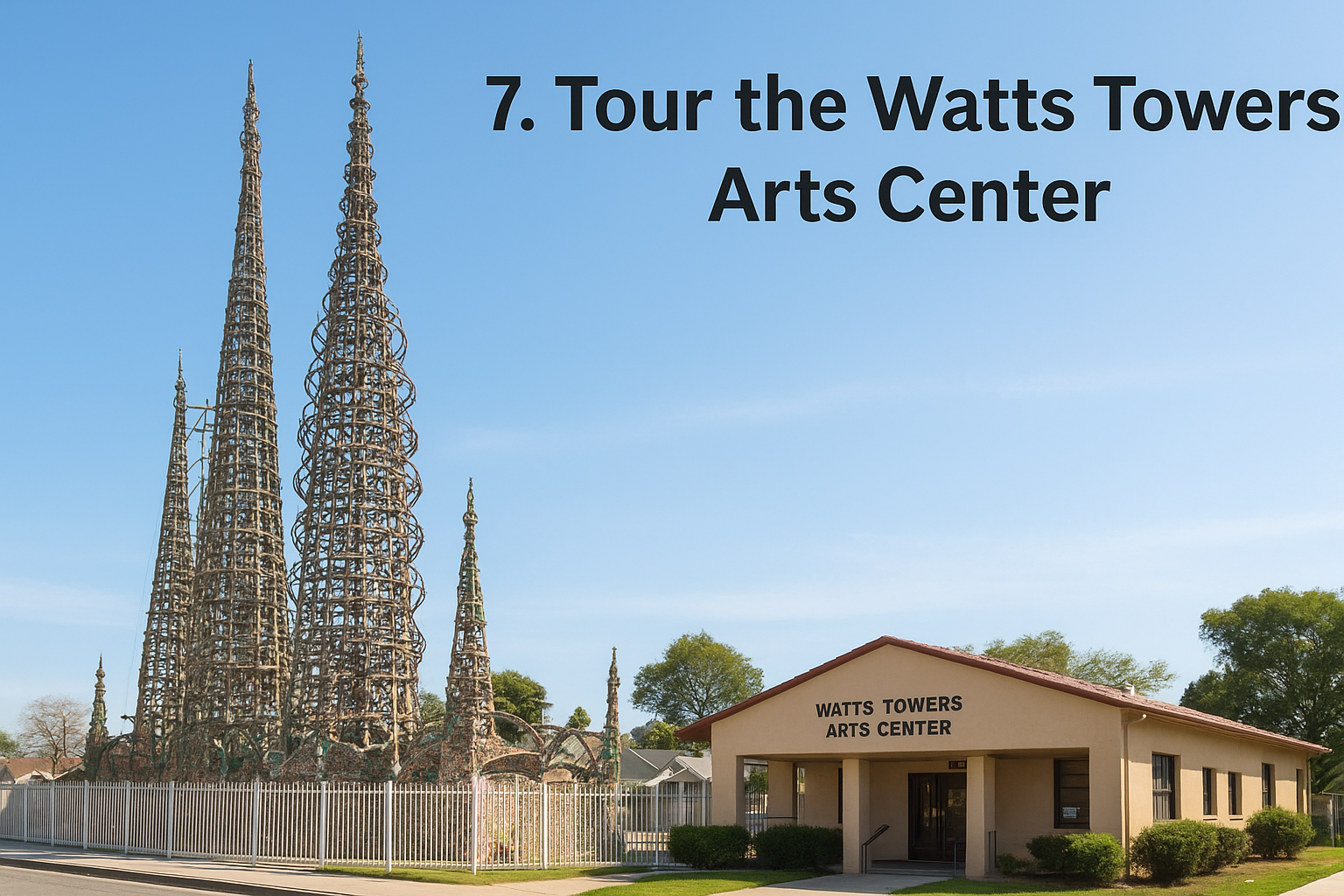
Watts Towers rises out of a residential block in South LA as seventeen interconnected sculptures, built by one immigrant construction worker named Simon Rodia over 33 years using nothing but steel rebar, mortar, and whatever scraps he could scavenge. Broken tile, seashells, soda bottles, and pieces of pottery cover every surface, turning a private backyard project into one of the tallest freestanding structures ever built by a single person without machinery or formal training. The adjacent Watts Towers Arts Center runs guided tours of the site and hosts rotating exhibits from local artists tied to the neighborhood’s long creative history.
Why it stands out
Nothing else on this list compares to standing underneath towers built entirely by hand, one salvaged piece at a time, with no blueprint and no crew. It’s a strong answer if you’re chasing genuinely unique things to do in LA rather than another version of the same postcard shot. The site earned National Historic Landmark status decades ago, yet it still draws a fraction of the visitors that pack Hollywood Boulevard on any given afternoon.
One man’s decades of scavenged scrap outlasted buildings that cost millions to construct.
Good to know before you go
Tours run on a set schedule, usually Thursday through Sunday, so check the current hours through the National Park Service listing before driving out. A few things worth knowing:
- Admission is inexpensive, typically under $10, with tours lasting about 30 minutes.
- The neighborhood is residential, so keep noise down and treat the block with respect.
- Metro access exists via the 103rd Street/Watts Towers Station, a short walk from the entrance.
Combine your visit with the Arts Center’s gallery next door for a fuller picture of Watts beyond the towers themselves.
8. Catch live jazz in Leimert Park
What it is
Leimert Park sits in South LA as the historic heart of Black art, music, and culture in the city, a neighborhood that’s produced poets, painters, and jazz musicians for generations. The World Stage, a small performance space founded by drummer Billy Higgins and poet Kamau Daáood, hosts live jazz sessions several nights a week in a room that seats maybe fifty people. Drum circles gather in the park itself on Sunday afternoons, and nearby shops sell African art, vinyl records, and books you won’t find anywhere else in the city.
Why it stands out
Most visitors never make it past Hollywood and the Westside, which means they miss one of the most authentic things to do in Los Angeles if you care about music history. Leimert Park never rebuilt itself around tourism, so what you’re hearing at the World Stage is the same tradition that’s been running since the 1980s, not a version dressed up for out-of-towners. Musicians who’ve played with legends still stop through for informal sets, and the crowd knows the difference between a good night and a great one, something you’ll notice at LA’s best live music venues too.
A fifty-seat room in Leimert Park holds more jazz history than most concert halls twice its size.
The neighborhood also gives you a real sense of Black Los Angeles culture, something rarely covered in standard sightseeing guides built around the beach cities and the Hollywood Hills.
Good to know before you go
Check the World Stage schedule ahead of time, since lineups change nightly and some shows require advance tickets. A few other notes:
- Cover charges are modest, usually under $20, sometimes free for open mic nights.
- Parking is easy compared to downtown, with free street spots along Degnan Boulevard.
- Sunday drum circles in the park are free and open to anyone who wants to watch or join in.
Arrive early for a good seat, since the room fills fast once word gets out about who’s playing.
9. Kayak the Marina del Rey harbor
What it is
Marina del Rey holds one of the largest man-made small-craft harbors in the country, and renting a kayak here gets you a completely different angle on the coastline than anything you’ll see from a car. Paddling past rows of docked sailboats and multimillion-dollar yachts, you glide through calm, protected water that never sees the kind of swell you’d hit at the open beach. Several outfitters along Admiralty Way and Mother’s Beach rent single and tandem kayaks by the hour, no experience required.
Why it stands out
Griffith Park and the Hollywood Sign get all the attention, but the water is one of the more overlooked things to do in Los Angeles for anyone who wants a slower, quieter pace than the boardwalk crowds. You’ll paddle past herons, pelicans, and the occasional seal hauled out on a dock, all within sight of downtown LA’s skyline on a clear day. It’s a workout disguised as sightseeing, and the flat, sheltered water makes it approachable for families and first-timers who’d never attempt kayaking in open ocean.
Calm water and a skyline view turn a beginner’s kayak trip into one of the best photo ops in the city.
Good to know before you go
Mother’s Beach offers the calmest launch point and the easiest parking, with a lot right off Palawan Way. A few things to plan around before you go:
- Rentals run about $20 to $35 an hour, with tandem kayaks costing more than singles.
- Mornings are calmer, since afternoon wind picks up and makes paddling back to the dock harder.
- Life vests are provided and required by most rental outfits, so don’t skip them even in calm water.
Bring a dry bag for your phone if you want photos, since the harbor water splashes more than it looks like it will from the dock.
10. Visit the Self-Realization Fellowship Lake Shrine
What it is
The Lake Shrine sits on ten acres in Pacific Palisades, built around a spring-fed lake that founder Paramahansa Yogananda designed as a meditation garden in 1950. Swans glide past a houseboat, a Dutch windmill chapel, and a shrine holding a portion of Mahatma Gandhi’s ashes, all arranged along a quiet walking path that loops the water. It’s one of the better free attractions in Los Angeles, and you won’t find another spot in West LA that feels this far removed from the city in such a small footprint.
Why it stands out
Most lists of peaceful things to do in Los Angeles point you toward a beach at sunrise, but the Lake Shrine gives you something calmer than that, a garden built specifically to slow you down. Coy fish, turtles, and a small waterfall fill in the background noise so completely that you forget Sunset Boulevard sits just outside the gate.
A ten-acre garden a few blocks from Sunset Boulevard can make you forget you’re in a city of four million people.
The grounds welcome visitors of any faith or none at all, and the mix of Dutch windmill architecture, koi ponds, and Gandhi’s memorial makes it one of the more unexpected hidden gems near the coast.
Good to know before you go
The shrine closes on Mondays and requests quiet throughout the grounds, so leave loud conversations and speakerphone calls for the parking lot. A few practical notes:
- Admission is free, though donations are welcome at the entrance.
- Parking is limited on-site, with overflow along Sunset Boulevard during busy weekends.
- Photography is allowed outdoors but discouraged inside the meditation chapels.
Pair a visit with a short drive down to the Palisades bluffs for ocean views before heading back into traffic.
11. Wander Venice’s quiet canals
What it is
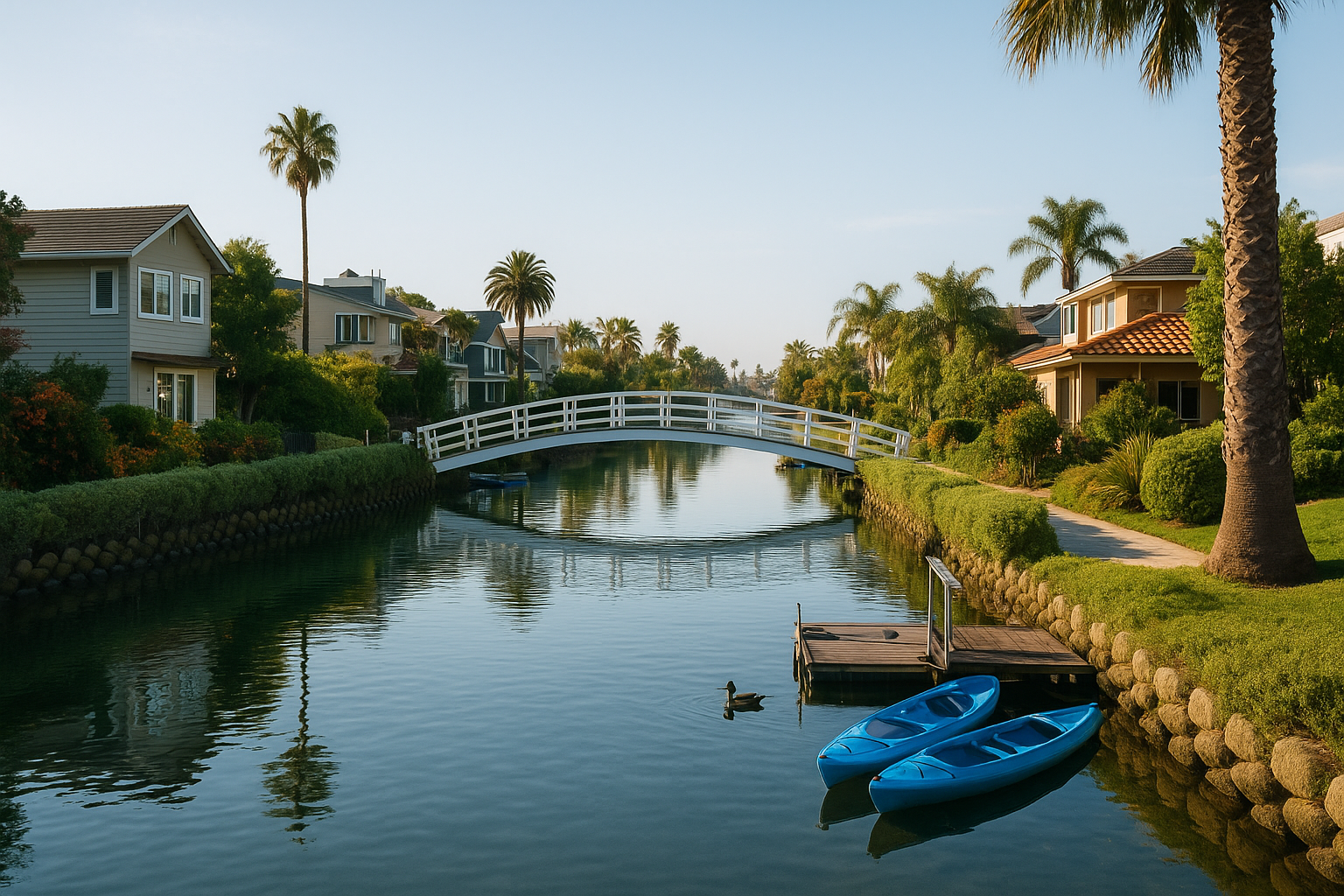
A few blocks inland from the boardwalk crowds, the Venice canals sit tucked behind rows of bungalows and modern builds, a leftover from developer Abbot Kinney’s 1905 attempt to recreate his namesake Italian city on the California coast. Little footbridges cross the water every block or two, connecting a walking loop that takes maybe 30 minutes at an easy pace. Ducks paddle past kayaks tied to private docks, and the noise of Ocean Front Walk fades almost completely once you turn off Dell Avenue.
Why it stands out
Visitors who only hit the boardwalk miss one of the calmer things to do at Venice Beach, a residential pocket that still feels like a well-kept secret despite sitting minutes from Muscle Beach. Every house along the canals has its own personality, from restored 1920s cottages to glass-heavy new construction, and the mix gives you a real sense of how Venice has changed without losing its original layout.
A five-minute walk off the boardwalk trades street performers for silence and a hundred years of history.
Early morning light on the water makes this one of the better hidden gems for photos, especially compared to the packed sightlines along the main beach path.
Good to know before you go
The canals sit in a quiet residential neighborhood, so keep voices down and stay off private docks and lawns. A few practical notes:
- No entry fee, and the loop is open to walk any time of day.
- Street parking is limited, so arrive early or plan to walk from the boardwalk.
- Weekday mornings are quietest, before beachgoers wander over from the sand.
Stop by the Venice Canals Walkway sign near Linnie Canal for a good orientation point before you start your loop.
12. Watch the sunset from a hidden rooftop bar
What it is
Los Angeles hides some of its best views above parking garages and unmarked elevators instead of at the obvious tourist decks. Spots like Mama Shelter in Hollywood or the rooftop at the Hotel Erwin in Venice put you above the skyline without the ticketed lines you’ll find at taller downtown observation decks. You take an elevator that looks like it leads to a regular hotel floor, and instead the doors open onto string lights, low couches, and a view stretching from the Hollywood Hills to the ocean on a clear evening.
Why it stands out
Most sunset spots in Los Angeles end up mobbed with the same crowd chasing the same photo, but a rooftop bar tucked inside a boutique hotel rarely gets that kind of foot traffic. You get a drink in hand, a place to sit, and a view that changes color for twenty minutes straight instead of a rushed five-minute stop at an overlook. It’s a low-effort way to end a day of walking without adding another destination to your list.
The best sunset in LA might be sitting above a hotel lobby you’d otherwise walk right past.
The mix of locals winding down after work and travelers who stumbled onto the spot gives these rooftops an easy, unpolished energy that the more famous viewpoints lost years ago, and they pair well with other things to do around the Los Angeles area.
Good to know before you go
Arrive thirty to forty-five minutes before sunset, since seating fills fast once people realize what’s coming. A few things to plan around:
- Some rooftops require a reservation or a minimum drink purchase, especially on weekends.
- Dress codes exist at a handful of spots, so skip flip-flops if you’re unsure.
- Weeknights are calmer, with shorter waits and easier parking nearby.
Check a bar’s hours before driving out, since several close their rooftop section during cooler winter months.
Finding your own LA story
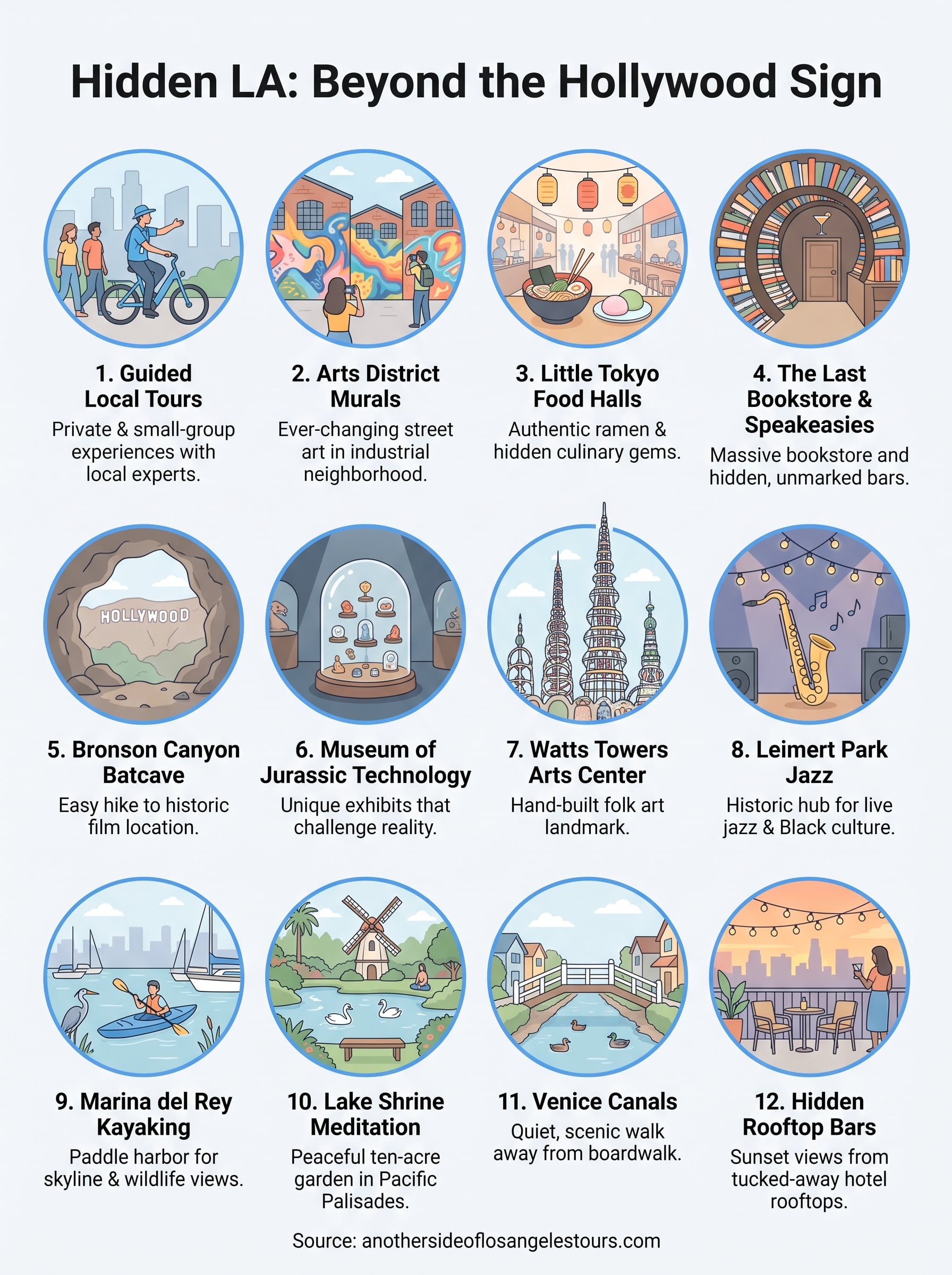
Los Angeles rewards the people who look past the postcard shots. Every stop on this list exists a few minutes off the beaten path, whether that’s a hand-built tower in Watts or a canal loop behind the Venice boardwalk. None of it requires a tour bus window between you and the city, just a willingness to turn down a side street instead of following the crowd toward the same overlook.
Guidebooks can point you toward these spots, but local context is what turns a quick photo stop into a story worth telling when you get home. That’s the gap a good guide fills, connecting the dots between neighborhoods and history in a way no map app manages on its own.
If you’d rather have someone handle the routing and the stories while you handle the sightseeing, reserve a private Los Angeles tour with hotel pickup and let a local expert show you the city they actually live in.